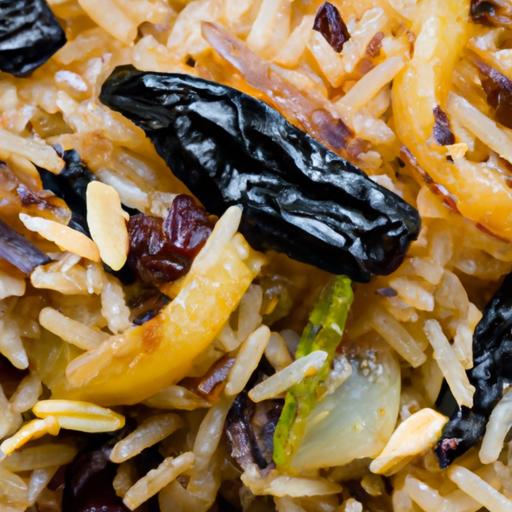
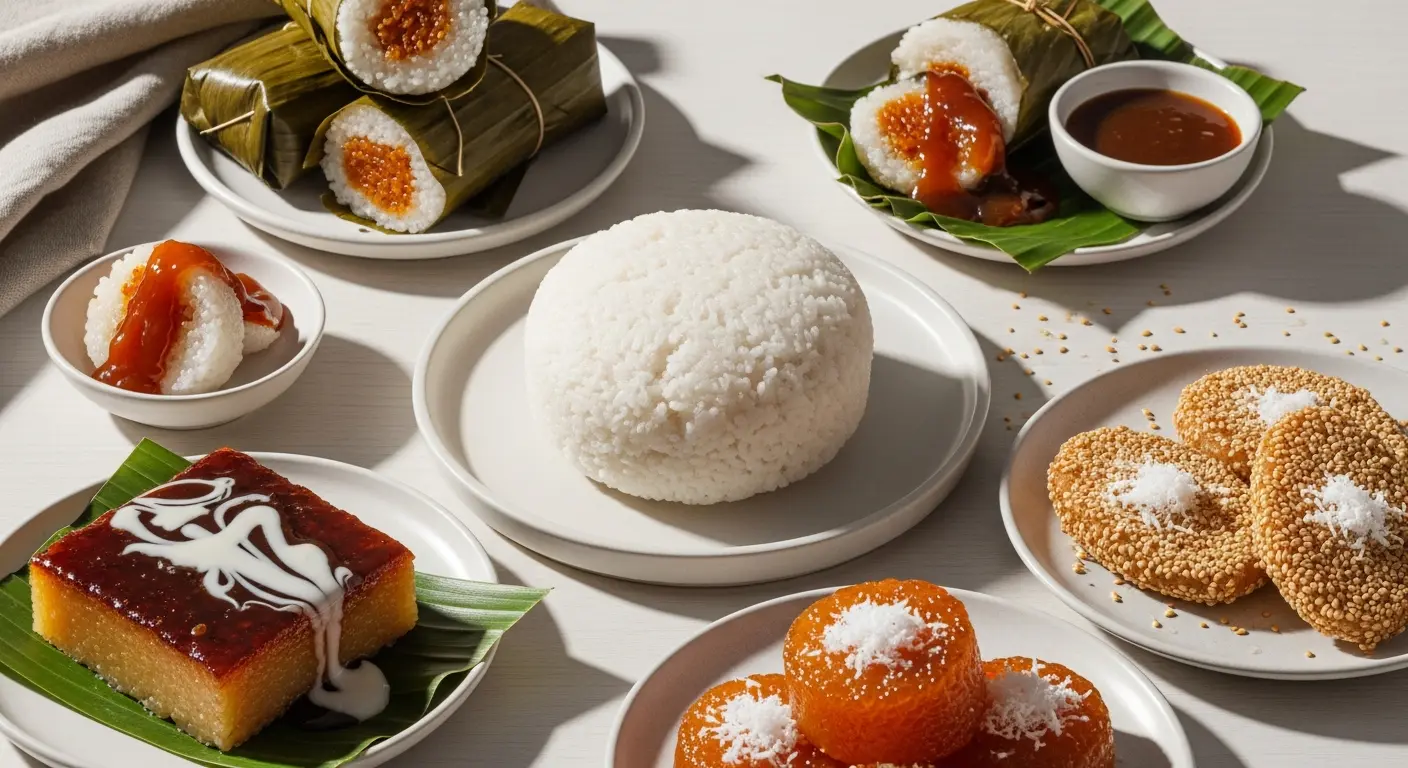

In the vibrant tapestry of Filipino cuisine, sweet rice treats hold a cherished place-delicacies that evoke warmth, celebration, and ancestral stories shared across generations.”Sweet Harmony: Exploring Vegan Filipino sweet Rice Traditions” invites you on a flavorful journey into these time-honored sweets, where simple grains transform into luscious bites of cultural heritage.
Beyond their irresistible taste, these dishes embody a harmonious blend of nature’s bounty and traditions carefully nurtured within the vegan Filipino community. From sticky rice cakes infused with tropical fruits to delicately sweetened porridges, discover how plant-based ingredients and age-old techniques come together to create desserts that are as meaningful as thay are mouthwatering. join us as we unravel the sweet symphony of flavors and stories that continue to delight palates and hearts alike.
Sweet Harmony in Filipino vegan sweet rice delicacies is more than just a culinary experience-it’s a journey through history, culture, and innovation wrapped in every bite of sticky rice and natural sweetness. These customary treats,cherished across generations,embody the heartwarming spirit of Filipino celebrations and daily life,now reimagined with vegan twists that highlight plant-based creativity while honoring centuries-old flavors and techniques.
Prep and Cook Time
- Preparation Time: 20 minutes
- Cook time: 45 minutes
- Total Time: 1 hour 5 minutes
Yield
Serves 6-8 people
Difficulty Level
Medium
Ingredients
- 2 cups glutinous rice (malagkit), rinsed
- 1 ½ cups coconut milk, freshly squeezed or canned
- ½ cup brown sugar or muscovado sugar
- 1 teaspoon pandan extract or 2 pandan leaves, tied in a knot
- ½ teaspoon salt
- 1 cup ripe saba bananas, sliced (optional vegan twist)
- Grated coconut or toasted coconut flakes, for garnish
- Toasted sesame seeds or crushed peanuts (optional)
- Banana leaves, for wrapping or serving (optional)
Instructions
- Soak the Glutinous Rice: Rinse the glutinous rice under cold water until the water runs clear to remove excess starch. Soak rice in fresh water for 30 minutes. drain well.
- Prepare the Coconut Milk Mixture: In a pot, combine coconut milk, brown sugar, pandan extract or leaves, and salt.Warm over low heat, stirring until the sugar dissolves but do not let it boil. Remove pandan leaves if used.
- Cook the Rice: Add the soaked and drained rice to the pot with the coconut milk mixture. Stir well to combine. Cover and cook on low heat for 30-35 minutes, stirring occasionally to prevent sticking. Add a splash of water if needed.
- Incorporate the Bananas: When the rice is almost fully cooked and creamy, gently fold in the sliced ripe saba bananas. Cook for another 5-7 minutes until the bananas soften and meld into the mixture.
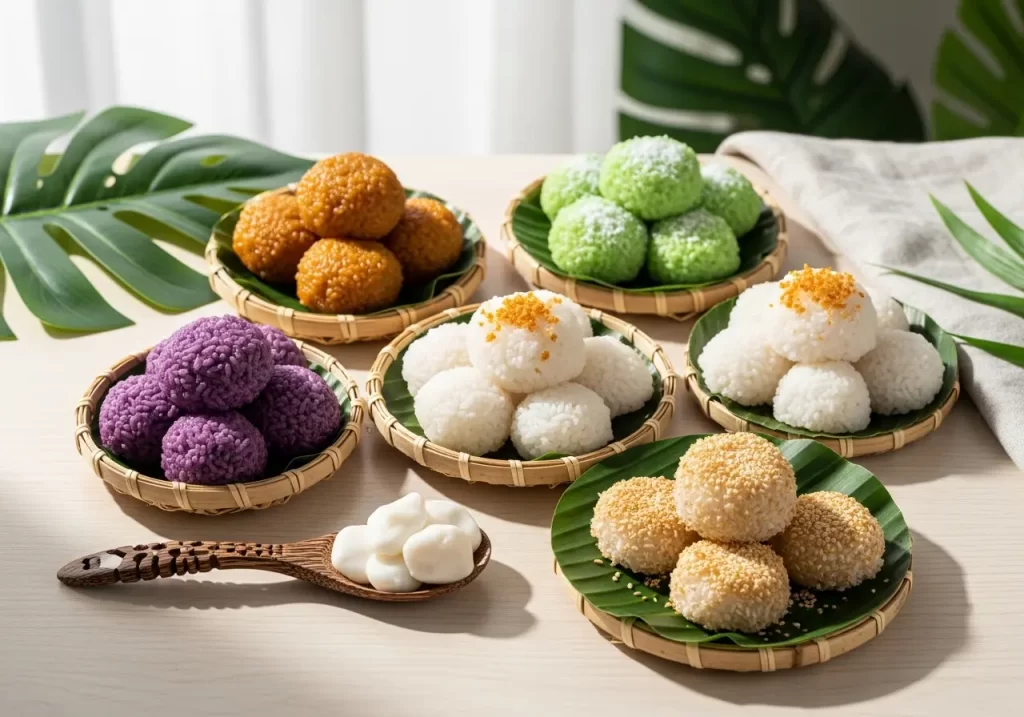
- Cool Slightly and Serve: Transfer the sticky rice to a serving plate or mold it onto banana leaves for a traditional touch. Garnish with grated or toasted coconut flakes and a sprinkle of toasted sesame seeds or crushed peanuts for extra texture.
Chef’s Notes: Tips for Success
- For a deeper layered flavor,toast the glutinous rice lightly in a dry pan until fragrant before soaking.
- If fresh pandan leaves aren’t accessible, pandan extract perfectly captures the subtle floral aroma essential to Filipino sweet rice.
- Use ripe saba bananas for their natural sweetness and firm texture, but plantains or even mangoes can be exciting vegan alternatives.
- Adjust sweetness by adding more or less brown sugar depending on your preferred sweetness level or natural sweetness of bananas used.
- To make ahead: Prepare the rice as directed, cool, then refrigerate. Gently reheat over low heat with a splash of coconut milk, stirring to revive that creamy texture.
serving Suggestions
Present this vegan sweet rice dish in traditional banana leaf parcels for authentic flair, perfect for festive gatherings or intimate family meals. complement it with a side of fresh tropical fruits like mango or pineapple for a burst of color and contrast. Drizzle with a little thickened coconut cream for added richness, and sprinkle with toasted coconut flakes to enhance both aroma and texture. pair with a warm cup of Barako coffee for a truly immersive Filipino experience.
Sweet Harmony in Filipino Vegan Sweet Rice Recipes: Nutritional Overview
| Nutrient | Per Serving |
|---|---|
| Calories | 280 kcal |
| Protein | 3 g |
| Carbohydrates | 55 g |
| Fat | 6 g |

Discover more about Filipino vegan delights in our comprehensive vegan sweets guide and embrace the rich tapestry of flavors that make this culinary tradition truly unforgettable.
Q&A
Q&A: Sweet Harmony – exploring Vegan Filipino Sweet Rice Traditions
Q1: What makes Filipino sweet rice desserts unique compared to other Asian rice treats?
A1: Filipino sweet rice desserts are a delightful blend of indigenous ingredients and cultural influences, resulting in dishes that celebrate natural sweetness and textures. Unlike many rice treats that rely heavily on dairy or animal-based additives, Filipino versions ofen incorporate coconut milk, palm sugar, and native fruits, creating a rich, creamy, and fragrant experience that’s both comforting and vibrant. The use of sticky rice varieties and layering techniques also adds a distinct chewiness and visual appeal that’s uniquely Filipino.
Q2: Can you name some traditional vegan Filipino sweet rice dishes?
A2: Absolutely! Classic favorites include bibingka (a steamed or baked rice cake infused with coconut milk and sugar), biko (sticky rice cooked with coconut milk and brown sugar, frequently enough topped with latik-coconut curds), and suman (glutinous rice wrapped in banana leaves, sometimes sweetened with coconut or paired with ripe mango). All these dishes are naturally vegan, celebrating the bounty of plant-based ingredients readily available in the Philippines.
Q3: What plant-based ingredients are central to these desserts?
A3: Coconut reigns supreme in Filipino sweet rice traditions. Coconut milk enriches the rice with creaminess, while coconut sugar or panutsa provides a deep caramel sweetness. Banana leaves not only serve as eco-amiable wrappers but also impart subtle herbal notes when steamed or baked. Additionally, native fruits such as mangoes or jackfruit often accompany these rice sweets, adding luminous, tropical bursts of flavor.
Q4: How do Filipino sweet rice desserts represent cultural history and community?
A4: These desserts are more than just food-they are tangible expressions of Filipino identity and celebration. Prepared during festivals, family gatherings, and special occasions, sweet rice dishes symbolize hospitality and generosity. The communal process of making batches of biko or wrapping suman fosters bonding and the passing of recipes through generations, preserving both taste and heritage.
Q5: Are there modern twists on these traditional vegan rice sweets?
A5: Yes! Contemporary cooks are experimenting by incorporating quinoa or black rice for added nutrition, infusing flavors like ube (purple yam), or layering desserts in jars for portability and presentation. Vegan-friendly toppings such as crushed toasted coconut flakes, sesame seeds, or even edible flowers elevate these age-old recipes while honoring their roots.
Q6: What tips woudl you give to someone wanting to try making these vegan sweet rice dishes at home?
A6: Start with quality glutinous or sticky rice,rinse it well,and soak it ahead of time for perfect texture. Use fresh coconut milk for richness and balance sweetness gently with unrefined sugars like muscovado or coconut sugar. Patience is key-slow cooking or steaming allows flavors to meld beautifully. embrace the process and share your creations with loved ones to truly capture the spirit of Filipino sweet rice traditions.
Q7: Where can one find authentic ingredients for making these desserts outside the Philippines?
A7: Asian grocery stores often stock essential items like glutinous rice,coconut milk,banana leaves,and coconut sugar. Specialty online retailers also offer Filipino-specific products like panutsa (native palm sugar) and dried jackfruit. Substituting fresh ingredients with frozen or canned versions works in a pinch, but authenticity shines brightest with the traditional staples.
Dive into the sweet harmony of Filipino vegan rice desserts-each bite a celebration of nature’s gifts and a story steeped in culture, community, and creativity.
The Conclusion
as we close the chapter on our journey through the rich and vibrant world of vegan Filipino sweet rice traditions, it’s clear that these humble yet soulful dishes offer more than just a taste of sweetness-they are edible stories woven from heritage, culture, and a deep respect for nature’s bounty. Whether savoring the sticky embrace of biko,the delicate layers of sapin-sapin,or the comforting warmth of champorado made without dairy,each bite invites us to experience a harmony of flavors that celebrates both tradition and mindful living. In embracing these vegan delights, we not only honor the culinary ingenuity of the Filipino people but also contribute to a more enduring and compassionate food future-one sweet grain at a time.