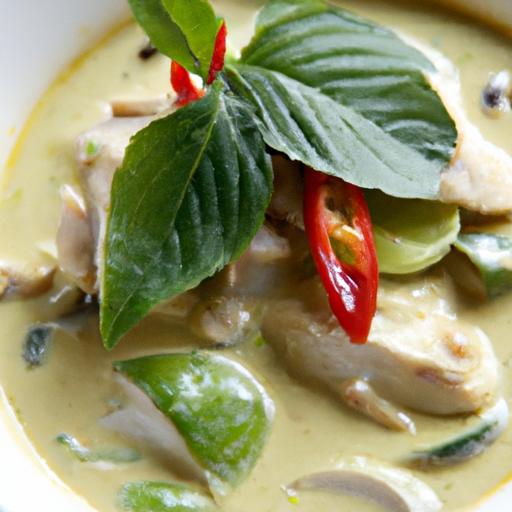
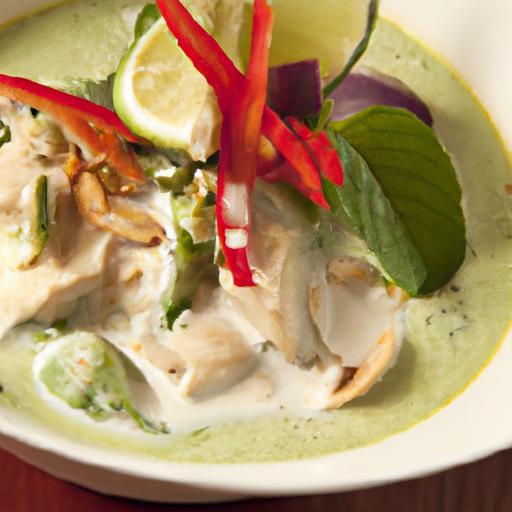

In the vibrant tapestry of Thai cuisine, few dishes captivate the senses quite like green curry with chicken. A harmonious blend of fiery chilies,fragrant herbs,and creamy coconut milk,this iconic curry is more than just a meal-it’s an immersive journey into the heart of Thailand’s culinary artistry.
“Unlocking Flavors: The Art of Thai Green Curry with Chicken” invites you to explore the intricate balance of ingredients and techniques that transform humble elements into a symphony of taste. Whether you’re a seasoned foodie or a curious home cook, discovering the secrets behind this beloved dish promises to deepen your appreciation for one of Southeast Asia’s most treasured recipes.
Understanding the Rich Heritage Behind Thai Green Curry
Unlocking flavors: The Art of Thai Green Curry with Chicken begins with a deep appreciation for its rich heritage.Originating from Central Thailand, green curry-known locally as “Gaeng Keow Wan”-is celebrated for its vibrant color and harmonious yet bold taste profile that’s both aromatic and comforting. This beloved dish embodies the Thai ideology of balancing spicy,sweet,salty,and creamy elements,creating a sensory experiance steeped in centuries of culinary tradition.
The distinctive green hue comes primarily from fresh green chilies and fragrant herbs, yielding a color as lively as the bustling Thai street markets where the dish first gained popularity. This dish’s roots are tied to both royal Thai cuisine and everyday street food, a testament to its worldwide appeal. Crafting an authentic green curry is an art-it’s about layering fresh, bold ingredients and handling spices with care, which is why mastering this dish opens a window into Thailand’s vibrant food culture.
Mastering the Balance of Spices and Fresh Ingredients
The secret to unlocking flavors in Thai green curry lies in the precise harmony of its spices and fresh ingredients.The curry paste combines garlic,shallots,lemongrass,galangal,fresh green chilies,kaffir lime zest,and coriander roots-ingredients that require a mortar and pestle or a high-powered blender for the perfect texture. The natural oils from these aromatic spices burst when sautéed in coconut milk, creating the curry’s unmistakably creamy and fragrant base.
Using fresh herbs like Thai basil and coriander at the final stage elevates the dish with an herbal brightness that cuts through the richness. Key to achieving balance is controlling heat levels-adjusting the number of green chilies or the type of chili to suit your palate, ensuring the curry never overwhelms but excites.
Selecting the Perfect Chicken Cut for Optimal Flavor and Texture
When it comes to the chicken, choosing the right cut transforms the dish from ordinary to remarkable. Unlocking flavors means selecting cuts that soak up the curry’s luscious sauce while maintaining tender bite. The most popular choice is boneless, skinless chicken thighs-they stay juicy and flavorful after simmering, unlike lean breast meat that can dry out easily.
For an alternative, tender chicken drumsticks can be used, imparting extra richness and a slightly firmer texture. Whatever your choice, slicing the chicken into bite-sized pieces allows even cooking and ensures every mouthful bursts with the perfect balance of spice and creamy coconut goodness.
Tips and Techniques for Crafting an Authentic creamy Curry sauce
Creating an authentic creamy sauce requires patience, attention, and respect for technique. Begin by gently frying your green curry paste in until fragrant and shimmering-about 2 to 3 minutes-to unlock the essential oils that form the flavor backbone. Gradually stir in full-fat coconut milk, incorporating it slowly to avoid curdling and to build a rich texture.
Simmer the sauce over low heat, allowing it to thicken naturally while absorbing the layers of spice. Avoid rushing this stage with high heat, which can break the sauce’s smooth consistency. Adding palm sugar, fish sauce, and a dash of lime juice toward the end balances sweet, salty, and sour notes precisely.
Enhance creaminess by stirring in fresh Thai basil and kaffir lime leaves just before serving to preserve their vibrant aroma and flavor.
Prep and Cook Time
- Preparation Time: 20 minutes
- Cooking Time: 30 minutes
- Total Time: 50 minutes
Yield
Serves 4 generous portions
Difficulty level
Medium – ideal for home cooks ready to explore authentic Thai techniques
Ingredients
- 1 lb boneless, skinless chicken thighs, cut into bite-sized pieces
- 3 tbsp green curry paste (preferably homemade or high-quality store bought)
- 1 can (14 oz) full-fat coconut milk
- 1 cup Thai eggplants, quartered (or substitute with regular eggplants)
- 1/2 cup bamboo shoots, sliced
- 10 fresh Thai basil leaves
- 3 kaffir lime leaves, torn into pieces
- 2 tbsp fish sauce
- 1 tbsp palm sugar (or brown sugar)
- 2 fresh green chilies, sliced thinly (adjust for heat level)
- 1 cup water or chicken broth
- 2 tbsp vegetable oil (for frying)
- Juice of 1 lime
- Fresh coriander for garnish
Instructions
- Prepare your mise en place. Cut the chicken, quarter the eggplants, slice bamboo shoots, tear kaffir lime leaves, and chop fresh herbs to have everything ready for swift cooking.
- Heat the oil in a large pan or wok. add the green curry paste and sauté for 2-3 minutes on medium heat until fragrant and the oil begins to separate, releasing intense aromas.
- Slowly stir in half of the coconut milk. Simmer gently, stirring continuously, allowing the curry paste to melt fully into the cream.
- Add the chicken pieces instantly. Stir to coat every piece in the aromatic sauce, cooking gently for 5-7 minutes until the chicken begins to turn opaque.
- Pour in the remaining coconut milk and chicken broth. Bring to a gentle simmer and add eggplants and bamboo shoots.
- Toss in torn kaffir lime leaves and sliced green chilies. Continue simmering for 10-12 minutes or until chicken is cooked through and eggplants tender but not mushy.
- Season with fish sauce and palm sugar. Adjust seasoning by tasting-balance salty and sweet to your preference.
- Finish with fresh lime juice and Thai basil leaves. Stir just before serving to keep their luminous flavor intact.
Tips for Success
- Homemade curry paste: For maximum flavor, grind your own paste using fresh herbs and spices in a mortar and pestle.
- Adjust heat level: Remove seeds from chilies or reduce quantity if you prefer a milder curry.
- Meat variations: For a leaner option, use chicken breast, but be careful not to overcook to retain juiciness.
- Make-ahead: The curry improves when rested-prepare a day ahead and reheat gently, adding fresh herbs before serving.
- Vegetarian swap: Omit chicken and use tofu or mixed vegetables for a flavorful plant-based option.
Serving Suggestions
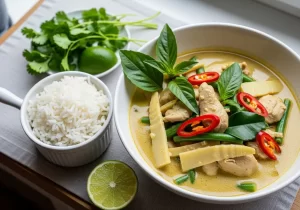
Serve steaming hot with fragrant jasmine rice to soak up every drop of the lush green curry sauce. Garnish with a handful of vibrant Thai basil leaves and fresh coriander for an authentic pop of color. For a textural contrast, add a side of crispy shallots or toasted peanuts. A wedge of lime on the side invites diners to add an extra layer of brightness. This dish pairs beautifully with a simple cucumber salad to refresh the palate.

| Nutrient | Per Serving |
|---|---|
| Calories | 435 kcal |
| Protein | 32 g |
| Carbohydrates | 12 g |
| Fat | 28 g |
For more insights on Thai cuisine and techniques, explore our complete guide to Thai cooking basics. additionally, for an in-depth understanding of traditional herbs used in thai curry, visit the Verywell Fit Thai Curry ingredient Guide.
Q&A
Q&A: Unlocking Flavors – The Art of Thai Green Curry with Chicken
Q1: What makes Thai green curry distinctly flavorful compared to other curries?
A: Thai green curry stands out through its vibrant blend of fresh green chilies, aromatic herbs like kaffir lime leaves, Thai basil, and galangal, combined with creamy coconut milk. This harmony creates a perfect balance of heat, sweetness, and fragrant earthiness that dances on the palate.
Q2: Why is chicken the ideal protein for green curry?
A: chicken’s mild flavor and tender texture provide a wonderful canvas, allowing the curry’s bold spices and creamy sauce to shine. It absorbs the curry paste beautifully while staying juicy,creating a comforting yet exciting dish.
Q3: How do fresh herbs influence the flavor profile of Thai green curry?
A: Fresh herbs are the soul of green curry. Kaffir lime leaves add a citrusy zing, Thai basil imparts hints of anise and mint, and coriander roots deepen the earthiness. Together, they elevate the curry beyond spiciness into a fragrant, multi-dimensional experience.
Q4: What role does coconut milk play in balancing the curry?
A: Coconut milk softens the heat and sharpness of the green chilies, wrapping the curry in a luscious, velvety texture. Its natural sweetness balances the aromatic spices and creates that signature rich mouthfeel beloved in Thai green curry.
Q5: Can you describe the traditional process of making the green curry paste?
A: Traditional green curry paste starts with pounding together fresh green chilies, shallots, garlic, galangal, lemongrass, coriander roots, kaffir lime zest, and shrimp paste using a mortar and pestle. This labor of love releases essential oils and merges flavors into a vibrant, fragrant paste that forms the curry’s backbone.
Q6: How significant is the heat level in green curry, and how can it be adjusted?
A: Heat is essential-it awakens the senses and balances the creaminess. To adjust, you can reduce the number of fresh green chilies or remove seeds, or add more coconut milk to mellow the spice. Remember, the goal is harmony, not overwhelming heat.
Q7: What vegetables complement chicken green curry best?
A: Vegetables like eggplant, bamboo shoots, green beans, and bell peppers are classic choices. Their subtle flavors absorb the curry’s essence without overpowering it and add delightful textures-from tender to crisp-which enrich every bite.
Q8: Is there an ideal way to serve Thai green curry with chicken?
A: Traditionally, it’s served piping hot over fragrant jasmine rice, which soaks up the sauce beautifully. Garnish with fresh Thai basil leaves or a splash of fresh lime juice to enhance brightness just before eating.
Q9: How does mastering green curry reflect Thai culinary culture?
A: Mastering green curry is embracing balance-spicy, sweet, salty, and sour-all woven together with fresh ingredients and respect. It reflects thai cooking’s artistry, rooted in harmony and the celebration of bold, natural flavors.
Q10: What tips would you give to someone attempting Thai green curry with chicken for the first time?
A: Focus on freshness-use fresh herbs and quality coconut milk. Don’t rush the paste-making; patience in pounding releases true flavor. Taste as you go, balancing spice and sweetness, and remember, authenticity comes from understanding ingredients and enjoying the process as much as the dish.
Unlock the vibrant world of Thai green curry with chicken by immersing yourself in these rich flavors and traditions. Your kitchen can become a gateway to an unforgettable culinary journey!
In Summary
As the final simmer of your Thai green curry with chicken settles, you’re left with more than just a dish-you hold in your hands a vibrant tapestry of flavors, history, and tradition. Unlocking the secrets of this iconic recipe is not merely about following steps; it’s an invitation to explore the delicate balance of spice and sweetness, the dance of herbs and coconut, and the artistry behind every stir.
whether you’re a seasoned cook or a curious foodie, embracing the nuances of Thai green curry opens a doorway to a world where culinary creativity meets cultural richness. So, gather your ingredients, sharpen your senses, and let each spoonful transport you to the bustling streets and fragrant markets of Thailand-where the art of flavor is truly alive.