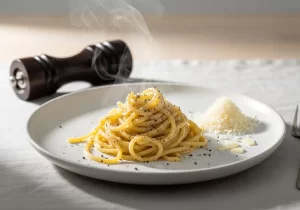
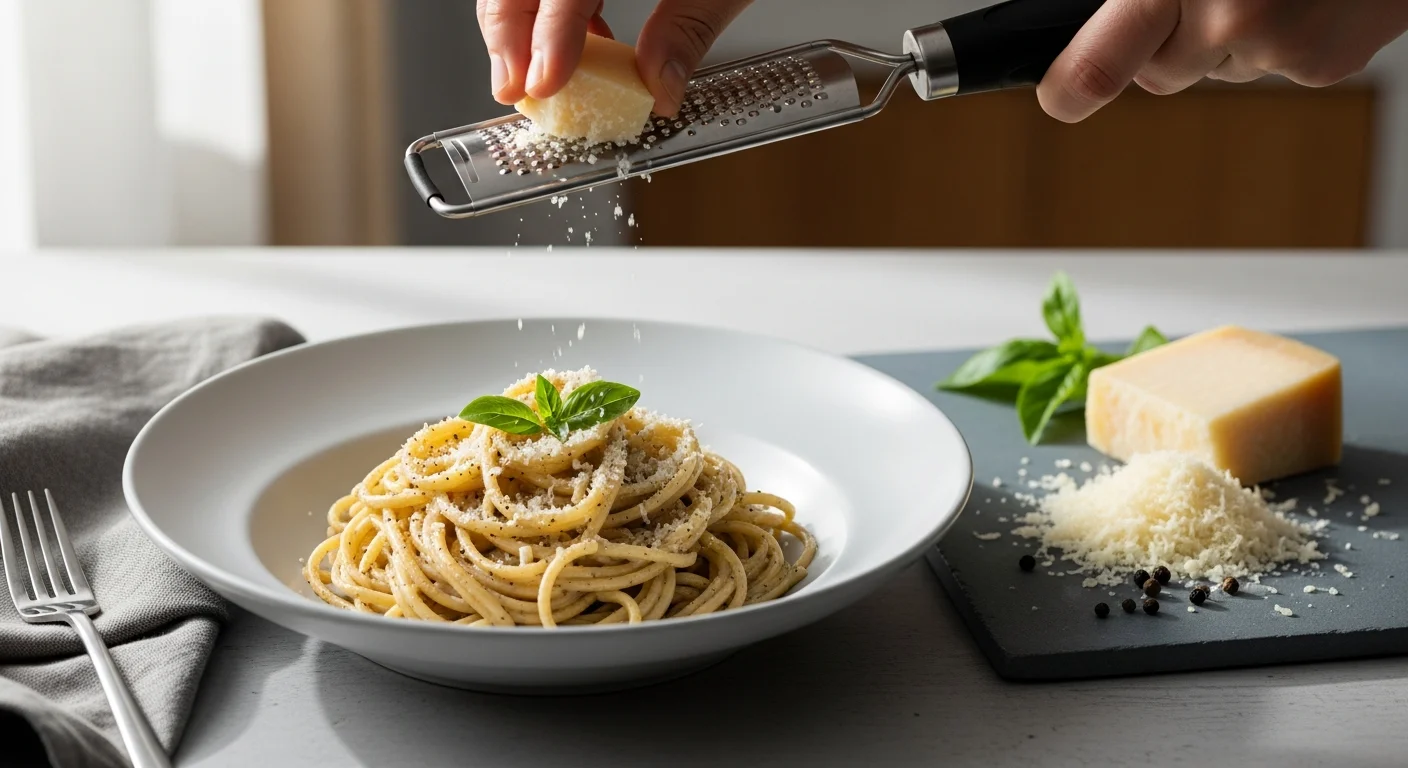

In the heart of Roman cuisine lies a dish as simple as it is sublime: Cacio e Pepe. Translated literally to “cheese and pepper,” this timeless pasta embodies the art of minimalism, where just two humble ingredients transform into an orchestra of flavor. Far from a mere culinary relic, Cacio e Pepe stands as a testament to Italy’s ability to elevate simplicity into sophistication. In this article, we unravel the story behind this iconic dish, exploring how the perfect balance of sharp Pecorino Romano cheese and cracked black pepper turns everyday pasta into an unforgettable experiance-one bite at a time.
Origins and Tradition Behind Cacio e Pepe
Cacio e Pepe: Italy’s Timeless pasta Crafted with Pepper & Cheese embodies the essence of roman culinary inventiveness-simple ingredients elevated by technique and cultural heritage. This iconic dish hails from Lazio, the region surrounding Rome, where humble shepherds crafted warming meals in the countryside using just dried pasta, pecorino Romano cheese, and cracked black pepper. The name itself translates to “cheese and pepper,” underscoring its foundational, minimalist character.
The tradition dates back centuries, reflecting rural ingenuity during times when pantry staples where scarce but passion for flavor was abundant. Its creamy, peppery sauce is created without butter or cream-an impressive feat of emulsification relying on starchy pasta water, cheese, and fresh cracked pepper.Preparing authentic cacio e Pepe requires mastering balance; too much pepper overwhelms, too little cheese dulls the punch. This dish celebrates respecting heritage through precision and simplicity.
Mastering the Perfect Peppercorn Blend for Authentic Flavor
The heartbeat of this dish is freshly cracked black pepper. Originating from the Malabar coast and introduced to Italy in antiquity, peppercorns were once prized as valuable trade commodities. To attain genuine Cacio e Pepe flavor, start with whole black peppercorns. Use a mortar and pestle or a dedicated spice grinder to crush them coarsely-larger fragments release fragrant oils without overpowering the palate.
Many chefs recommend a combination of standard black peppercorns and Tellicherry pepper for added complexity-an aromatic spice with subtle fruity undertones. Toasting the cracked pepper lightly in a dry pan before adding it to the sauce can awaken its natural fragrance, lending a smoky warmth that’s deeply satisfying. Avoid pre-ground pepper; it loses freshness and fails to capture the dish’s vibrant spirit.
Choosing the Ideal Cheese for creamy, Rich Texture
Pecorino romano stands as the quintessential cheese for this recipe. Made from sheep’s milk,it boasts a sharp,salty tang that cuts through the pepper’s heat and anchors the sauce in savory depth. When selecting Pecorino,choose a young to medium-aged wheel-aged long enough to develop complexity yet soft enough to melt smoothly.
Grate the cheese finely using a microplane or very fine grater to ensure it blends into a luscious, velvety sauce. Avoid pre-shredded varieties,which are often coated with anti-caking agents that hinder proper melting. For a milder twist, some chefs blend Pecorino with grated Parmigiano-Reggiano, enhancing creaminess without sacrificing authenticity.
Step by Step Guide to Crafting the Classic Cacio e Pepe Experience
Beneath its rustic appearance lies a technique-driven masterpiece. Achieving the iconic glossy emulsion demands patience,timing,and attentive stirring. With thoughtful preparations and these detailed steps, your kitchen will echo centuries of Roman tradition.
Prep and Cook Time
- Planning: 10 minutes
- Cooking: 15 minutes
- Total: 25 minutes
Yield
- Serves 4 hearty portions
Difficulty Level
- Intermediate
Ingredients
- 350g (12 oz) spaghetti or tonnarelli (square spaghetti)
- 1 cup Pecorino Romano cheese, finely grated
- 2 tablespoons freshly cracked black peppercorns
- Salt for pasta water
- Water, for boiling pasta
Instructions
- Prepare pepper: In a large skillet, toast the cracked black pepper over medium heat until fragrant-about 1 minute. Transfer to a bowl and set aside.
- Boil pasta water: Bring a large pot of water to a rolling boil. Salt generously-it should taste like the sea. Add pasta and cook until just shy of al dente (about 1-2 minutes less than package instructions).
- Reserve pasta water: Before draining, ladle out 2 cups of starchy pasta water and set aside.
- Combine pepper and pasta: Promptly add the drained pasta to the skillet with toasted pepper. Pour 1 cup of reserved pasta water over pasta. Over medium-low heat, toss vigorously with tongs-or better yet, use two forks-to coat the noodles, warming the mixture for 1-2 minutes.
- Add cheese gradually: Remove skillet from heat. Slowly sprinkle Pecorino Romano in thirds, while tossing and stirring continually. Add pasta water as needed in small increments to create a creamy, velvety sauce that clings evenly to each strand.
- Adjust texture: If sauce seems too thick or clumpy, add more warm pasta water. The goal is a glossy sheen without dryness or clumps. Keep stirring until silky smooth.
- Serve immediately: plate the pasta, garnish with extra grated Pecorino and a fresh grind of black pepper for a dramatic finish.
Tips for Success
- Use fresh pasta water: Its starch concentration is crucial to emulsifying the sauce properly.
- Grate cheese finely: Prevents gritty lumps and encourages smooth melting.
- toast pepper gently: Avoid burning, which creates bitterness.
- Work quickly: Sauce hardens if kept waiting; serve scalding hot for best mouthfeel.
- Try tonnarelli: this traditional pasta shape’s square edges hold sauce beautifully.
- Make ahead: Cook pasta slightly underdone,cool under running water,then reheat gently with reserved pasta water and cheese.
- Substitution: For a vegetarian-friendly version, ensure cheese is free from animal rennet.
Serving Suggestions
Present your Cacio e Pepe on a simple white or earth-toned plate to accentuate the creamy golden sauce and flecks of black pepper. Pair with a crisp, seasonal salad like baby arugula tossed with lemon vinaigrette to cut richness. A light side of roasted seasonal vegetables adds balance without overshadowing the dish’s subtle complexity.
For a rustic garnish, sprinkle a few freshly cracked black peppercorns and an extra dusting of Pecorino Romano just before serving. A drizzle of high-quality extra virgin olive oil can add a glistening finish and nuanced depth. Encourage diners to savor each mouthful slowly, celebrating italy’s timeless tradition in every bite.

| Nutrient | Per Serving |
|---|---|
| Calories | 470 kcal |
| Protein | 18 g |
| Carbohydrates | 75 g |
| Fat | 12 g |
For more classic Italian pasta inspiration, explore our Classic Italian Pasta Recipes. To deepen your knowledge about Pecorino Romano’s rich history, visit this official Pecorino Romano website.
Q&A
Q&A: Cacio e Pepe – Italy’s Timeless Pasta Crafted with Pepper & Cheese
Q1: What does “Cacio e Pepe” mean, and where does this dish come from?
A: “Cacio e Pepe” literally translates to “cheese and pepper” in Italian. This humble yet iconic pasta dish hails from Rome,where simplicity reigns supreme.Rooted in ancient Roman culinary tradition, it showcases how just a few ingredients can come together to create an enduring masterpiece.
Q2: what makes Cacio e pepe so special despite its simplicity?
A: The magic lies in the balance and technique. The creamy, tangy cheese melds with the sharp bite of freshly ground black pepper, while the pasta water acts as a silky emulsifier. No heavyweight sauces, no fuss-just pure, honest flavor elevated by the precision of its preparation.
Q3: Which cheese is essential for an authentic Cacio e Pepe?
A: The star cheese is Pecorino Romano, a firm sheep’s milk cheese known for its salty tang and sharp flavor. Its distinct character perfectly complements the pepper’s warmth, creating the quintessential taste profile that defines Cacio e Pepe.
Q4: Can I use any pasta for Cacio e Pepe?
A: Traditionally, tonnarelli or spaghetti is preferred because their shape and texture hold the sauce elegantly. However, feel free to experiment with other long, thin pastas.The key is that the pasta’s surface has just enough texture to catch the luscious coating of cheese and pepper.
Q5: How do you achieve that creamy sauce without cream or butter?
A: The secret is in the starchy pasta water. When you reserve a bit of water after cooking the pasta, combining it with grated Pecorino and freshly ground black pepper creates a glossy, velvety sauce.The starch acts as a binder, transforming simple ingredients into a luscious coating that clings perfectly.
Q6: what are the common mistakes to avoid when making Cacio e Pepe?
A: Overheating the cheese can cause it to clump instead of melting smoothly. Another pitfall is adding too much pasta water, which dilutes the flavors.Lastly, under-seasoning the pepper or using pre-ground pepper can diminish the dish’s bold character-always opt for freshly cracked black pepper!
Q7: Is Cacio e Pepe a modern invention or a dish with ancient roots?
A: Cacio e Pepe traces back centuries, originally a practical meal for Italian shepherds, combining pantry staples that could be carried easily. its timeless appeal stands as a testament to rustic Italian cooking’s ability to transform modest ingredients into culinary gold.Q8: How can I put a personal touch on the classic Cacio e Pepe?
A: While tradition sets the foundation, subtle tweaks like adding a hint of lemon zest for brightness or a sprinkle of toasted peppercorns for extra crunch can add nuance without overshadowing the core flavors. The beauty of cacio e pepe is its versatility within simplicity.
Q9: Can Cacio e Pepe be made gluten-free or vegan-friendly?
A: Absolutely! For gluten-free, opt for pasta made from rice or legumes. Vegan adaptations require plant-based cheeses with sharpness and saltiness akin to Pecorino, though replicating the exact creamy texture can be a fun kitchen experiment. The pepper remains the unaltered star!
Q10: Why has Cacio e Pepe endured as a beloved Italian dish through centuries?
A: it embodies the essence of Italian cooking: quality ingredients, straightforward techniques, and respect for flavor harmony. Its effortless elegance tells a story of resourcefulness, comfort, and culinary artistry that continues to resonate worldwide. A timeless dish indeed!
Closing Remarks
As simple as it is sublime, Cacio e Pepe stands as a testament to the elegance of minimalism in Italian cuisine. with just a handful of humble ingredients-pecorino cheese,freshly cracked black pepper,and perfectly cooked pasta-this timeless dish captures the heart of Italy’s culinary philosophy: that true flavor need not be complicated. Whether enjoyed in a rustic Roman trattoria or recreated in your own kitchen, Cacio e Pepe invites you to savor the poetry hidden within every bite, reminding us that sometimes, the most extraordinary meals are born from the simplest traditions.