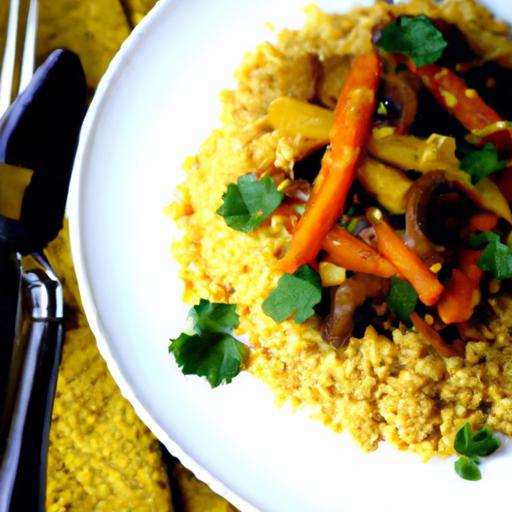
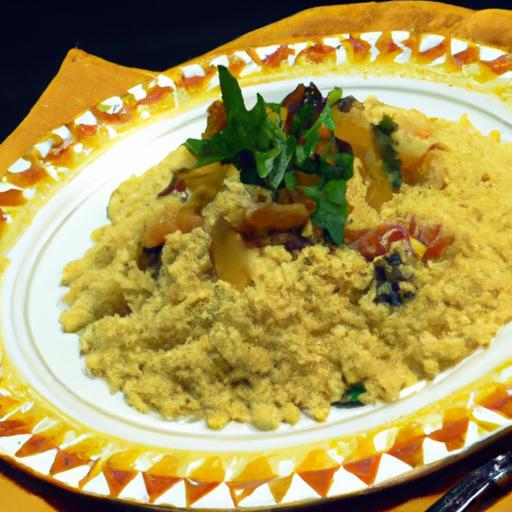

Step into a world where fragrant spices dance upon your palate and vibrant colors tell stories of ancient markets-welcome to the enchanting realm of Moroccan spiced couscous. this culinary masterpiece is more then just a dish; it’s a party of heritage, blending fluffy grains with a symphony of warm spices, fresh herbs, and wholesome ingredients. Whether served as a hearty main or a vibrant side, moroccan spiced couscous offers a delightful journey through the rich flavors and traditions of North Africa. Join us as we explore the artistry behind this beloved recipe, unlocking tips and secrets to savor every bite of this exquisite, comforting delight.
Savor the Flavors of moroccan Spiced Couscous Delight invites you on a sensory journey where ancient spice markets meet the comforting grain bowls of Moroccan kitchens. This dish is more than a meal-it’s an aromatic symphony woven from warm, earthy spices and a heritage that spans centuries. From the first fragrant whiff of cinnamon and cumin to the subtle floral notes of orange blossom water, each element plays a vital role in elevating the humble couscous into a regal centerpiece. Embracing this recipe means honoring tradition, mastering technique, and celebrating vibrant flavors bursting from every bite.
Prep and Cook Time
- Preparation: 20 minutes
- Cook Time: 40 minutes
- Total Time: 1 hour
Yield
Serves 4 to 6 people generously, perfect for family meals or festive gatherings.
Difficulty Level
medium – approachable for cooks willing to explore authentic techniques and spice blends.
Ingredients
- 2 cups medium-grain Moroccan couscous
- 2 ½ cups vegetable broth, boiling
- 3 tbsp extra virgin olive oil, divided
- 1 large onion, finely chopped
- 2 cloves garlic, minced
- 1 tsp ground cinnamon
- 1 tsp ground cumin
- 1 tsp ground ginger
- ½ tsp ground turmeric
- ½ tsp smoked paprika
- ¼ tsp ground black pepper
- 1 pinch saffron threads, soaked in 2 tbsp warm water
- ½ cup toasted slivered almonds
- ¼ cup chopped fresh cilantro
- ¼ cup chopped fresh parsley
- 1 tbsp orange blossom water (optional but recommended)
- Salt to taste
Instructions
- Toast the Spices: In a dry skillet over medium heat, gently toast cinnamon, cumin, ginger, turmeric, paprika, and black pepper for 2 minutes until aromatic. Set aside.
- Sauté Aromatics: In a large saucepan, heat 2 tbsp olive oil over medium heat. Add the onion and cook until soft and translucent, about 5 minutes. stir in the garlic and cook for 1 minute.
- add Spices and Saffron: Stir in the toasted spices along with the saffron water. Sauté for 1-2 minutes to release their flavors, ensuring the mixture does not burn.
- Prepare Couscous: Place the couscous in a large heatproof bowl.Pour boiling vegetable broth over it, adding 1 tsp salt and 1 tbsp olive oil.Cover tightly with a plate or plastic wrap, and let it steam for 10 minutes.
- Fluff and Steam: After resting, fluff couscous with a fork to separate the grains gently. Transfer back to the saucepan or a conventional steaming couscoussier and steam for another 15 minutes, stirring occasionally to prevent clumping.
- Final Fluff and Flavour: Remove from heat, fluff again, and drizzle with orange blossom water. Stir in the chopped cilantro, parsley, and toasted almonds. Adjust salt and seasoning to taste.
- Serve warm: Transfer to a beautiful serving dish, creating a slight mound. Garnish with extra almonds and fresh herbs for visual appeal and texture contrast.
Tips for Success
- Authenticity in Texture: Moroccan couscous has a light,fluffy texture with distinctly separate grains. Avoid stirring too vigorously after adding broth; gentle fluffing with a fork maintains this delicate structure.
- Perfect Spice Balance: Toasting whole and ground spices awakens their essence but be careful not to scorch them. Freshly ground spices yield the best flavor punch.
- Make-Ahead Tip: Prepare the toasted almonds and spice blend in advance. Couscous is best served fresh but can be gently reheated in a steamer for maintaining fluffiness.
- Vegetable Broth: Opt for a homemade or high-quality vegetable broth to amplify the dish’s depth. Store-bought can work but avoid those high in sodium.
- Optional Ingredients: Saffron adds a luxurious aroma and golden hue but can be omitted if unavailable.Orange blossom water is traditional and brings an ethereal sweetness; if excluded, consider a light zest of lemon.
Savor the Flavors: Serving Suggestions and Pairings
Present your Moroccan spiced couscous delight alongside vibrant vegetable tagines infused with chickpeas, tender lamb or chicken stews, or grilled seasonal vegetables to complete the experience. For added contrast, scatter pomegranate seeds or dried apricots atop for bursts of sweetness balanced against the spice warmth.
Accompany with traditional Moroccan harissa paste on the side for those who favor smoky heat. A fresh cucumber and mint yogurt raita or a citrusy salad with preserved lemons harmonizes perfectly, cutting through the richness and refreshing the palate.
| Nutrient | Per Serving |
|---|---|
| Calories | 320 kcal |
| Protein | 7 g |
| Carbohydrates | 52 g |
| Fat | 8 g |

For more inspiring Moroccan recipes, check out our Moroccan Vegetable Tagine. deepen your spice knowledge with this excellent resource from Britannica on Moroccan Cuisine.
Q&A
Q&A: Savor the Flavors of Moroccan Spiced Couscous Delight
Q1: What makes Moroccan spiced couscous so distinctive?
A1: Moroccan spiced couscous is a symphony of exotic spices and fresh ingredients. The key lies in the aromatic blend of cinnamon, cumin, coriander, and turmeric, which infuse the fluffy couscous with warm, earthy, and slightly sweet notes. Combined with fresh vegetables, dried fruits, and herbs, it creates a vibrant and memorable taste experience.
Q2: How is traditional Moroccan couscous prepared?
A2: Traditionally,couscous is steamed over a simmering pot of spiced stew to absorb rich flavors. The couscous grains are first moistened, fluffed, and steamed multiple times for perfect lightness. It’s typically served with a slow-cooked stew of vegetables, chickpeas, and tender meats or hearty vegetarian alternatives, allowing the spices to mingle beautifully.
Q3: Which spices are essential for achieving authentic Moroccan couscous flavors?
A3: core spices include cinnamon, turmeric, cumin, ginger, coriander, and occasionally a hint of paprika or saffron. These spices balance warmth and perfume, creating the signature Moroccan fragrance and taste that makes couscous so inviting.
Q4: Can Moroccan spiced couscous be made as a vegetarian or vegan dish?
A4: Absolutely! Moroccan cuisine is rich with plant-based options. Using a robust vegetable broth, chickpeas, and a colorful medley of seasonal vegetables like carrots, zucchini, and tomatoes allows the couscous to shine as a wholesome vegan delight bursting with flavor and texture.
Q5: What are some tips for creating the perfect fluffy couscous texture?
A5: To achieve the ideal texture, moisture and heat control are essential. Start by pouring hot broth over the couscous to hydrate it, then fluff gently with a fork to separate the grains.If using a steamer, steam the couscous in batches and fluff between sessions. Avoid over-packing the steamer so steam can circulate evenly for a light,airy result.
Q6: How can one serve Moroccan spiced couscous for a festive meal?
A6: Serve your couscous in a large, colorful tagine or a decorative bowl, topped with toasted nuts like almonds or pine nuts, fresh herbs such as cilantro and parsley, and a scattering of sweet dried apricots or raisins. Accompany it with a side of harissa-spiced roasted vegetables or a crisp salad to round out a feast bursting with textures and flavors.
Q7: Are there any common mistakes to avoid when cooking Moroccan spiced couscous?
A7: One frequent mistake is not hydrating the couscous properly, which can result in clumps or dryness. Using too much liquid or overcooking can create mushiness. Also, under-seasoning the stews or broth can leave the overall dish lackluster. Balancing spices with fresh ingredients and adjusting seasoning along the way is key to success.
Q8: What beverages pair well with Moroccan spiced couscous?
A8: While avoiding certain alcohols, consider pairing Moroccan couscous with refreshing herbal teas like mint tea, which complements the spices beautifully. Sparkling water with a twist of citrus or a chilled glass of freshly squeezed pomegranate or orange juice can also cleanse the palate and enhance the meal.
Q9: How can one incorporate Moroccan spiced couscous into everyday meals?
A9: Couscous is wonderfully versatile. Use leftover spiced couscous as a base for salads, add roasted vegetables and lemon zest for a fast lunch, or mix it with grilled chicken or tofu for a speedy weeknight dinner. Its portability makes it a flavorful and nutritious option for meal prep too.
Q10: What cultural meaning does couscous hold in Moroccan cuisine?
A10: Couscous is a symbol of hospitality and community in Moroccan culture. Often prepared for gatherings and celebrations, it brings family and friends together around the table, reflecting tradition, generosity, and the rich culinary heritage of the region. Sharing couscous is both a feast for the senses and a celebration of connection.
The Way Forward
As the final grains of fluffy, fragrant couscous grace your palate, you realize that this Moroccan spiced delight is more than just a dish-it’s a journey through ancient bazaars, sun-drenched markets, and timeless traditions. Each bite tells a story of vibrant spices, wholesome ingredients, and the warm hospitality that defines Moroccan cuisine. Whether served as a hearty main or a tantalizing side, this flavorful creation invites you to savor not just the food, but the culture and history woven into every morsel. So next time you crave a taste adventure, let Moroccan spiced couscous be your passport to a world bursting with flavor and soul.