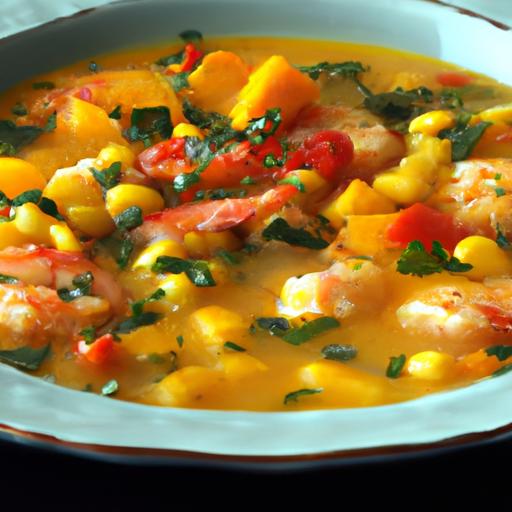
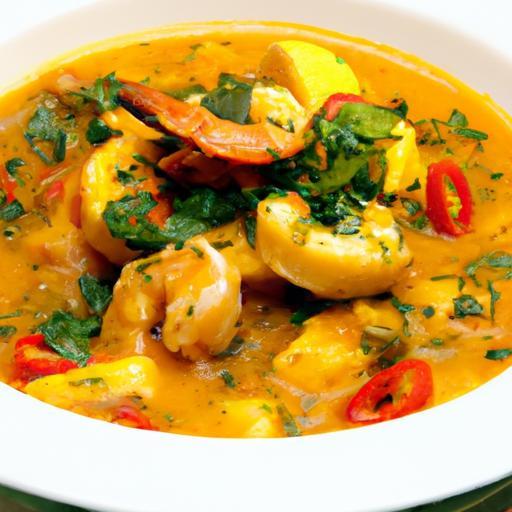

Nestled along Brazil’s sun-kissed coastlines and vibrant marketplaces,a culinary treasure simmers in pots brimming with history,color,and soul-Moqueca,the nation’s beloved fish stew. More than just a dish, Moqueca is a flavorful tapestry woven from indigenous traditions, Afro-Brazilian influences, and fresh coastal bounty. In every spoonful, you’ll uncover layers of tender fish, fragrant herbs, and rich coconut milk, all dancing together in a harmonious party of Brazil’s diverse cultural heritage. Join us as we dive into the story,ingredients,and irresistible tastes of Moqueca,inviting your palate too savor one of Brazil’s most iconic and heartwarming flavors.
Savor the Flavors: Discover Brazil’s Moqueca Fish Stew
Savor the flavors of Brazil’s Moqueca fish stew-a vibrant and soulful dish that transports you straight to the sun-kissed shores of Bahia. Originating from Native Brazilian and Afro-Brazilian culinary traditions, this dish is a celebration of the country’s rich cultural heritage, marrying fresh seafood with an aromatic blend of coconut milk, palm oil, and garden-fresh herbs. My first encounter with Moqueca was during a lively street festival in Salvador, where the stew’s warm, layered flavors left an unforgettable impression that I’ve been eager to recreate in my own kitchen ever since.
Prep and Cook Time
- Readiness: 20 minutes
- cooking: 35 minutes
- Total Time: 55 minutes
Yield
Serves 4 generous portions
Difficulty Level
Medium – Perfect for adventurous home cooks ready to dive into a new flavor profile
Key ingredients That Bring Moqueca to Life and Where to Find Them
- 1.5 lbs firm white fish fillets (such as snapper, cod, or halibut), cut into large chunks – fresh seafood markets or quality grocery stores
- 2 tbsp dendê oil (red palm oil) – specialty Latin American or Brazilian markets; this ingredient gives Moqueca its signature color and earthy depth
- 1 can (14 oz) coconut milk – widely available in grocery stores
- 2 medium tomatoes, sliced thin – for sweetness and acidity
- 1 large onion, thinly sliced – adds savory base notes
- 4 cloves garlic, minced – aromatic foundation
- 1 bunch fresh cilantro, chopped – to brighten and finish the stew
- 1 bunch fresh parsley, chopped – adds herby freshness
- 2 limes, juiced – essential to balance richness with zesty brightness
- 1 fresh chili pepper (like malagueta or jalapeño), finely chopped – optional, for a gentle kick
- Salt and freshly ground black pepper – to taste
- 1 cup fish stock or water – for simmering
Step by Step Guide to Crafting an Authentic Brazilian Moqueca at Home
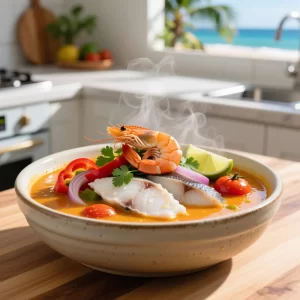
- Marinate the fish: In a bowl, combine the fish chunks with half the lime juice, salt, and pepper. Let sit for 15-20 minutes to gently infuse flavors while you prep the other ingredients.
- Prepare the sofrito base: Heat the dendê oil in a heavy-bottomed saucepan over medium heat. Add the sliced onions and sauté untill they turn translucent and soft, about 5-7 minutes.
- Add garlic and chili: Stir in the minced garlic and chili pepper. Sauté for an additional 1-2 minutes until fragrant, taking care not to burn the garlic.
- Create the stew layers: Spread half of the tomato slices over the onion and garlic mixture. Pour in the coconut milk and fish stock, then bring to a gentle simmer.
- Layer the fish: Gently nestle the marinated fish chunks on top of the coconut milk mixture. Cover with the remaining tomato slices, sprinkle with parsley and cilantro, and add the remaining lime juice.
- Simmer gently: Cover the pot loosely and let the stew cook over low heat for about 15-20 minutes. Avoid stirring aggressively so the fish remains intact. The liquid should thicken slightly and the flavors meld beautifully.
- Final seasoning: Taste and adjust seasoning with salt and pepper, adding more lime juice if you want an extra pop of brightness.
- Serve hot: Moqueca is best enjoyed fresh, ladled over fluffy white rice with a side of warm farofa (toasted cassava flour) if desired.
Tips for Success When Making Moqueca
- Use fresh, firm fish: This will ensure your chunks hold their shape during cooking and deliver the best texture experience.
- Dendê oil is essential: its rich, slightly nutty flavor cannot be substituted without losing an authenticity edge. If unavailable, some use a blend of olive oil and annatto powder, but it won’t be quite the same.
- Do not rush the simmering process: gentle heat allows the ingredients to fully marry; a rolling boil will cause the fish to break apart and the coconut milk to separate.
- Add herbs just before serving: This keeps their radiant, fresh character intact.
- Make ahead tip: Moqueca flavors deepen if refrigerated overnight. Reheat gently and add a splash of coconut milk if it thickens too much.
Perfect Pairings and Serving Suggestions to Elevate Your Moqueca Experience
Moqueca pairs wonderfully with simple sides that complement its creamy, fragrant base. Serve steamed white rice or coconut rice to soak up every luscious drop of the stew. For a crunchy contrast, sprinkle toasted farofa (cassava flour mixture) over the rice or stew – it adds a subtle nutty texture. A fresh green salad with lime vinaigrette balances the richness with crisp acidity. For a finishing touch, garnish with extra cilantro leaves and thinly sliced red chili for visual vibrancy and mild heat.

| Nutrient | Per Serving |
|---|---|
| Calories | 380 kcal |
| protein | 35 g |
| Carbohydrates | 12 g |
| Fat | 22 g |
For a deeper dive into Bahian cuisine and more customary seafood dishes, check out our Bahian Seafood Recipes Collection. Also, explore more about the cultural significance and biodiversity behind dendê oil in this Britannica overview.
Q&A
Q&A: savor the Flavors – Discover Brazil’s Moqueca fish Stew
Q1: What is Moqueca, and why is it so special in Brazilian cuisine?
A1: Moqueca is a vibrant Brazilian fish stew celebrated for its harmonious blend of fresh seafood, tropical ingredients, and aromatic herbs. Originating from coastal regions like Bahia and Espírito Santo,Moqueca carries regional twists that reflect Brazil’s diverse cultural heritage. It’s special as it combines simple ingredients into a luscious,soul-warming dish that embodies the spirit of Brazilian coastal life.
Q2: What are the key ingredients that give Moqueca its signature flavor?
A2: The magic of Moqueca lies in its fresh fish or seafood simmered gently with coconut milk, tomatoes, onions, bell peppers, garlic, and cilantro.Palm oil (dendê) is often added in bahian-style Moqueca, providing a rich, golden color and unique flavor. The interplay of citrus-like lime juice-and natural sweetness from coconut milk creates a balanced,fragrant stew that dances on the palate.
Q3: Are there different styles of Moqueca across Brazil?
A3: Absolutely! The two most iconic styles are Moqueca Baiana and Moqueca Capixaba. Moqueca Baiana hails from Bahia and uses palm oil and coconut milk, offering a creamy, deeply flavorful stew infused with Afro-Brazilian influences.Meanwhile, Moqueca Capixaba from Espírito Santo is lighter, relying on olive oil and urucum (annatto) for color, with a brighter vegetable-forward profile. Both celebrate fresh, coastal ingredients but with distinct regional personalities.
Q4: What types of fish or seafood work best in Moqueca?
A4: Firm white fish like snapper, sea bass, or cod are excellent choices since they hold their texture well while simmering. Shrimp and other shellfish such as scallops or crab can also be part of the stew or served alongside,adding layers of flavor. The key is using fresh, sustainably sourced seafood to maintain the stew’s delicate balance.
Q5: How is Moqueca typically served?
A5: Moqueca is traditionally paired with fluffy white rice to soak up the rich broth. In Bahia, it’s common to enjoy it alongside farofa (toasted manioc flour) or pirão, a creamy mix made from manioc flour and broth that adds a comforting texture. A simple side of sautéed greens or fresh salad complements the rich stew perfectly.
Q6: Can Moqueca be adapted for those who prefer a milder taste or different dietary needs?
A6: Definitely! Adjusting the quantity of spices or palm oil can mellow the stew’s heat and intensity, making it more approachable. For those avoiding dairy or animal products, moqueca naturally fits as a pescatarian-pleasant dish without any need for cheese or butter. Using vegetable broth and sticking to fresh vegetables and fish keeps it wholesome and vibrant.
Q7: What cultural significance does Moqueca hold in Brazil?
A7: Moqueca represents more than just a meal-it’s a celebration of Brazil’s coastal identity, indigenous traditions, and afro-Brazilian heritage. It frequently enough graces family gatherings, festivals, and special occasions, symbolizing warmth, community, and the bounty of the ocean. Enjoying Moqueca is like tasting a flavorful story of Brazil’s rich history and diverse landscapes.
Q8: Any tips for making authentic Moqueca at home?
A8: Embrace fresh, high-quality ingredients and simmer gently to preserve the delicate flavors.Don’t rush the layering of onions, peppers, and tomatoes-they build the stew’s aromatic base. if you want to experience the full Bahian flavor, a splash of dendê oil is essential. Lastly,serve Moqueca with love and patience to truly savor the magic of Brazil’s beloved fish stew!
in summary
As the final notes of Moqueca’s rich,aromatic symphony linger on the palate,one thing becomes clear: this beloved Brazilian fish stew is more than just a dish-it’s a vibrant celebration of culture,history,and coastal bounty. Weather enjoyed on a sun-dappled beach in Bahia or recreated in your own kitchen, Moqueca invites you to savor not only its bold flavors but also the stories simmering within every spoonful. So,dive in,let your taste buds explore,and carry a little piece of Brazil’s culinary heart with you long after the last bite.