
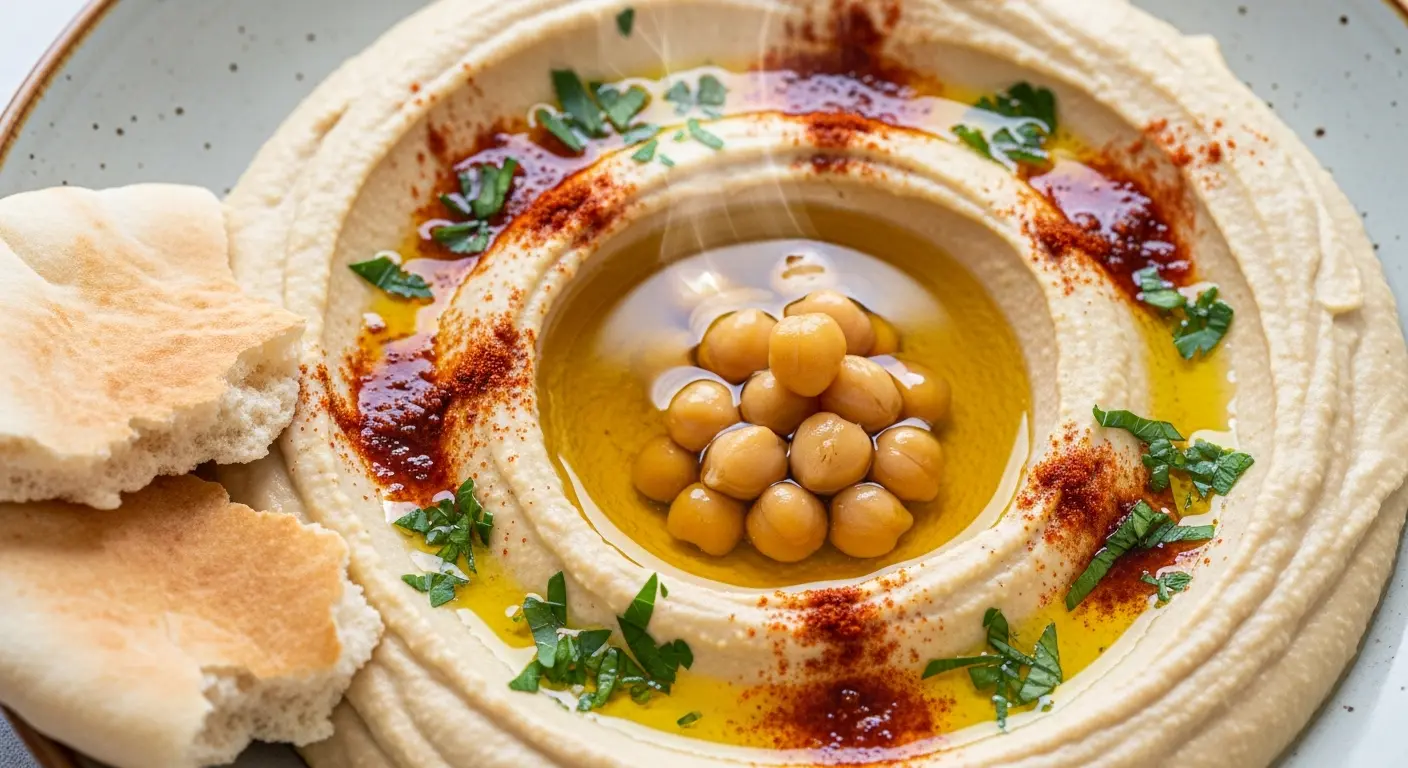

In teh vibrant tapestry of Middle Eastern cuisine, few dishes have captured hearts around the globe quite like Lebanese hummus. This creamy, golden blend of chickpeas, tahini, lemon, and garlic is more than just a dip-it’s a celebration of heritage, flavor, and community. When paired with freshly baked,pillowy pita bread,authentic Lebanese hummus transforms into an irresistible experience that invites you to savor tradition one bite at a time. Join us as we explore the art of crafting this timeless classic and discover why fresh pita is the perfect companion to Lebanon’s beloved culinary treasure.
Discover Authentic Lebanese Hummus Served with Fresh Pita is a timeless culinary journey into the heart of Lebanese heritage. This velvety, nutty dip transcends simple ingredients, weaving together the stories of sun-soaked fields and centuries of tradition. Every spoonful bursts with vibrant flavors, from the earthy chickpeas to the zesty garlic and the creamy embrace of tahini. My first encounter with Lebanese hummus was at a bustling Beirut market, where a humble vendor’s spread outshone grand feasts, inspiring me to master its art in my own kitchen.
Prep and Cook Time
- preparation: 15 minutes
- Soaking Time: 8-12 hours (overnight)
- Cooking Time: 1 hour
- Total Time: Approximately 10 hours (includes soaking)
Yield
About 4-6 servings of authentic Lebanese hummus, perfect for a family gathering or an elegant appetizer spread.
difficulty Level
Medium – While deceptively simple, achieving the perfect creamy texture and balanced flavor requires attention and a bit of practice.
Key Ingredients That Elevate Authentic Flavor

- 1 cup dried chickpeas (soaked overnight and peeled for maximum creaminess)
- 1/3 cup tahini (preferably freshly ground sesame paste with a smooth, nutty profile)
- 2 cloves garlic (freshly minced for robust aroma)
- 3 tablespoons freshly squeezed lemon juice (shining and tangy, balancing richness)
- 1 teaspoon kosher salt
- 1/2 teaspoon ground cumin (adds a warm, earthy depth)
- Ice-cold water (for blending to create that signature silky texture)
- Extra virgin olive oil (for drizzling and enhancing flavor)
- Smoked paprika and chopped fresh parsley (garnish to add color and subtle smoky notes)
Step-by-Step Instructions
- Soak the chickpeas overnight. Rinse and cover them with cold water in a large bowl, allowing them to absorb plenty of water and soften.
- Cook the chickpeas. Drain and transfer to a pot, covering with fresh water. Bring to a boil, then lower to a simmer for about 60 minutes, skimming off any foam. Test for tenderness; peas should mash easily between fingers.
- Optional but recommended: Peel the chickpeas by gently pinching each one; this step dramatically improves the hummus’ silky texture.
- Prepare the tahini sauce. In a bowl, whisk the tahini with lemon juice, a pinch of salt, and garlic until it becomes creamy and slightly thickened.
- Combine chickpeas and tahini sauce. Transfer half of the cooked chickpeas to a food processor. Blend while slowly adding the tahini mixture. Alternate adding ice-cold water (start with 2 tablespoons) to achieve a smooth, velvety consistency.

- Season with salt and cumin. Taste and adjust seasoning. add the remaining chickpeas and pulse gently for a slightly textured hummus or blend fully for a smoother result.
- Plate and dress the hummus. Spread it in a shallow bowl, creating gentle wells with the back of a spoon. Drizzle generously with extra virgin olive oil.
- Garnish thoughtfully. Sprinkle with smoked paprika, finely chopped parsley, and a few whole chickpeas for visual appeal and flavor contrast.
Chef’s Notes: Tips for Success
- For an ultra creamy hummus, peeling chickpeas is crucial-take your time, the effort pays off in luscious mouthfeel.
- Use fresh lemon juice rather than bottled; it brightens the entire dish authentically.
- Blend in ice-cold water gradually; it loosens the mixture without diluting flavor or texture.
- To enhance the nuttiness, toast your tahini lightly before mixing if it’s raw or overly bitter.
- Make ahead and refrigerate-hummus thickens in the fridge,so stir in a little water and olive oil before serving.
- Substitute chickpeas canned in water for a faster version, but drain and rinse thoroughly and expect a slightly less rich flavor.
Pairing Fresh Pita for the ultimate Hummus experience
Warm, freshly baked pita bread is not just a vehicle but an integral part of savoring this classic dip. Opt for fluffy pita rounds with a cozy pocket, brushed lightly with olive oil and toasted until just golden to add delightful texture. Tear generous pieces and gently scoop into the hummus, allowing the creamy chickpeas and smoky garnishes to meld beautifully on each bite. For a refreshing contrast, consider serving alongside crisp pickled vegetables, olives, or a simple fattoush salad.

Where to savor True Lebanese Hummus in Your City
If you’re craving expertly crafted hummus beyond your kitchen,seek out Lebanese restaurants known for their authenticity. Establishments that grind tahini fresh, soak and peel their own chickpeas, and fuse customary recipes with modern ambiance will deliver the best experience.Many cities boast hidden gems where hummus is celebrated as an art form; tasting side by side with warm pita creates an unforgettable introduction to Lebanese culture.
| Nutrient | Per Serving (≈100g) |
|---|---|
| Calories | 160 kcal |
| Protein | 6.5 g |
| carbohydrates | 14 g |
| Fat | 8 g |
For further inspiration on Middle Eastern classics, explore our complete guide to Middle Eastern dips.To deepen your ingredients knowledge, visit Serious Eats’ detailed hummus breakdown, a renowned culinary resource that champions authentic techniques.
Q&A
Q&A: Discover Authentic Lebanese Hummus Served with Fresh Pita
Q1: What makes Lebanese hummus different from other types of hummus?
A1: Lebanese hummus stands out for its silky smooth texture and the perfect balance of simple, high-quality ingredients.Unlike some variations that might potentially be chunkier or heavily spiced, authentic Lebanese hummus is creamy, subtly tangy with fresh lemon juice, and enhanced with just the right amount of tahini and garlic. It’s all about harmony and purity in flavor.
Q2: Why is fresh pita so crucial when serving Lebanese hummus?
A2: Fresh pita is the ideal companion because its warm, soft, and slightly chewy texture creates a perfect contrast to the smoothness of the hummus. Freshly baked pita breads still carry a subtle yeasty aroma and light fluffiness that helps scoop up the hummus easily, enhancing every bite with a satisfying combination of flavors and textures.
Q3: What are the key ingredients in authentic Lebanese hummus?
A3: The foundation of authentic Lebanese hummus includes cooked chickpeas, tahini (sesame seed paste), fresh lemon juice, garlic, high-quality olive oil, and a pinch of salt. Garnishes typically include a drizzle of olive oil and a sprinkle of ground cumin or paprika, along with fresh parsley or pine nuts for texture and aroma.
Q4: How can one achieve the perfect creamy texture when making hummus at home?
A4: Achieving the perfect creamy texture starts with well-cooked chickpeas,ideally soaked overnight and boiled until tender. Blending the chickpeas with warm water or chickpea cooking liquid helps achieve smoothness. Slowly incorporating tahini and lemon juice while processing ensures a luscious, airy consistency. Using a high-speed blender and patience during blending also makes a big difference.
Q5: Are there traditional Lebanese serving tips for hummus and pita?
A5: Traditionally,hummus is served in a shallow plate with a well in the center,filled with a generous swirl of olive oil and a sprinkle of spices or fresh herbs. The fresh pita is torn by hand into bite-sized pieces and used to scoop the hummus. It’s frequently enough accompanied by fresh vegetables like cucumbers, tomatoes, and olives, highlighting the freshness of the dish.
Q6: Can Lebanese hummus be enjoyed as a standalone dish or part of a larger meal?
A6: Lebanese hummus is incredibly versatile. It shines as a standalone appetizer or snack paired with fresh pita but also holds its own as part of a Lebanese mezze spread alongside dishes like tabbouleh, baba ganoush, and stuffed grape leaves. It’s a wholesome, nourishing dish that invites sharing and celebration.
Q7: What health benefits does authentic Lebanese hummus offer?
A7: packed with plant-based protein, fiber, healthy fats from olive oil and tahini, and essential vitamins and minerals, Lebanese hummus is both delicious and nutritious. It supports digestion, heart health, and sustained energy, making it a wholesome choice that never compromises on flavor.
enjoy your journey into the heart of Lebanese cuisine by savoring the simple elegance of authentic hummus served with fresh, warm pita-a timeless combination that speaks the language of comfort and community.
Concluding Remarks
Whether enjoyed as a creamy dip, a zesty spread, or a wholesome snack, authentic Lebanese hummus paired with freshly baked pita offers more than just a taste-it’s a journey into centuries of rich culinary tradition. By savoring this simple yet soulful combination, you’re not only treating your palate but also connecting with a culture that celebrates hospitality, flavor, and community. So next time you dip into that velvety hummus, remember: you’re indulging in a timeless experience that’s as nourishing for the soul as it is for the body.




