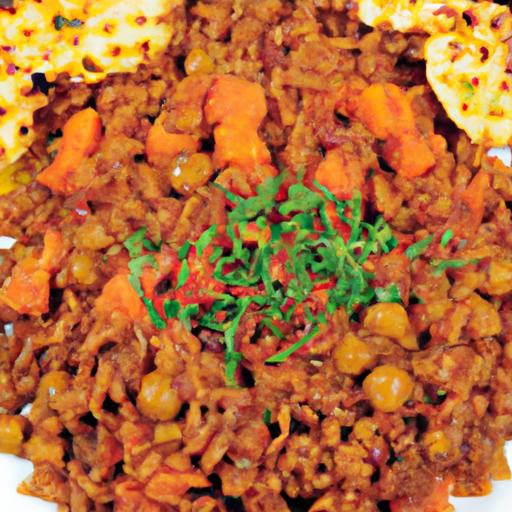
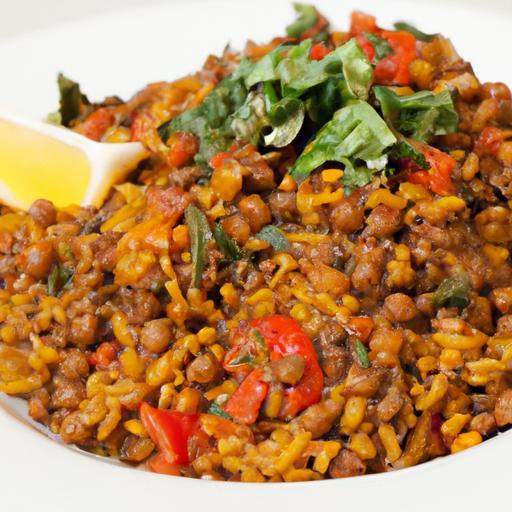

In the bustling streets of Cairo, amidst the symphony of honking horns and spirited chatter, a humble dish reigns supreme-a vibrant celebration of flavors known as Koshari. Often described as Egypt’s culinary tapestry, Koshari weaves together simple staples-rice, lentils, and pasta-into a hearty, soul-satisfying meal that transcends its ingredients. more than just street food, this beloved dish tells a story of cultural fusion, resilience, and the joyful melding of textures and tastes. Join us as we explore the origins, ingredients, and enduring charm of Koshari-Egypt’s iconic comfort on a plate.
Origins and Cultural significance of Koshari in Egyptian Cuisine
Koshari is Egypt’s iconic blend of rice, lentils & pasta that has captured the hearts and palates of millions through its humble yet stunning flavor fusion. Originating in the bustling streets of Cairo during the late 19th century, this beloved street food was born from a melting pot of culinary influences – from Indian rice and lentil dishes to Italian pasta introduced during Egypt’s cosmopolitan expansion.More than just a meal, Koshari symbolizes the unity of diverse ingredients coming together to create a hearty, affordable dish accessible to all social classes. It became the quintessential Egyptian comfort food, championed by street vendors and family tables alike, celebrated for turning simple pantry staples into a vibrant feast of textures and tastes.
The Art of Layering Flavors: Rice, Lentils, and Pasta Perfected
Mastering the balance in this renowned dish lies in the artful layering of three main starches: rice, lentils, and pasta. Each component plays its part in texture and aroma – the fluffy rice serves as a neutral canvas, the earthy lentils add creaminess and depth, while the al dente pasta introduces a chewy contrast that enlivens every bite. Cooking each element to perfection requires attention: rinsing rice to remove excess starch for fluffiness, simmering lentils until tender without mushiness, and choosing small pasta shapes like elbow macaroni or ditalini that hold sauce well. This triad is the backbone of koshari, inviting the senses to explore every mouthful with delight.
Essential Spices and Sauces That Bring Koshari to Life
No discussion of koshari’s irresistible appeal is complete without highlighting the soul of its flavor profile-the spices and sauces. Warm cumin, fragrant coriander, and a hint of garlic infuse the lentils and tomato sauce with a comforting aroma that evokes egyptian kitchens. the vibrant tomato sauce, tangy and spiced with chili and vinegar, contrasts beautifully with the caramelized onions sprinkled atop, which add a subtle sweetness and crunchy finish. A drizzle of piquant garlic vinegar and a spoonful of fiery chili sauce elevate the dish, allowing each eater to personalize the spice level and flavor intensity. Together,these components transform modest ingredients into a dynamic symphony of tastes.
tips for Crafting Authentic Koshari at Home with Fresh Ingredients
Creating this classic Egyptian gem at home is a rewarding journey that calls for fresh ingredients, patience, and a touch of passion. Start by sourcing basic staples-brown or green lentils for a firmer bite,freshly peeled garlic,and ripe tomatoes for the sauce. Balance cooking times diligently: cook rice and lentils separately, so each reaches its ideal texture. When frying onions, take your time until they’re deeply caramelized, which can be the difference between good and unforgettable koshari.
Use quality extra virgin olive oil to uplift the dish’s richness and consider adding freshly chopped parsley as a shining garnish. Don’t rush the sauce-allowing it to simmer gently will marry the spices beautifully. layering the components rather than mixing ensures the dish maintains its signature texture contrast in every spoonful.
Prep and Cook Time
- Readiness: 20 minutes
- Cooking: 45 minutes
- Total: 65 minutes
Yield
Serves 4-6 hearty portions
Difficulty Level
Medium – requires multitasking and timing but approachable for confident home cooks
Ingredients
- 1 cup brown or green lentils, rinsed
- 1 cup long-grain white rice, rinsed thoroughly
- 1 cup elbow macaroni or small ditalini pasta
- 3 large onions, thinly sliced
- 4 cloves garlic, minced
- 4 large ripe tomatoes, peeled and chopped (or 1 can crushed tomatoes)
- 1 tsp ground cumin
- 1 tsp ground coriander
- 1/2 tsp chili flakes (adjust to taste)
- 2 tbsp white vinegar
- 3 tbsp extra virgin olive oil
- Salt and freshly cracked black pepper, to taste
- Fresh parsley, chopped (for garnish)
- water or vegetable broth for cooking lentils and rice
instructions

- Cook the lentils: In a medium saucepan, cover lentils with water, bring to a boil, then simmer uncovered for about 20 minutes until tender but not mushy. Drain and set aside.
- Prepare the rice: While lentils cook, bring 2 cups water or broth to a boil, add rinsed rice, a pinch of salt, cover, and reduce heat to low. Let steam gently for 15-18 minutes. Fluff with a fork and set aside.
- Cook the pasta: In boiling salted water, cook elbow macaroni or ditalini until al dente (about 7 minutes). Drain and drizzle with a little olive oil to prevent sticking.
- Caramelize the onions: Heat olive oil in a wide skillet over medium heat. Add sliced onions and sauté, stirring frequently, until deeply golden and crisp, about 15-20 minutes. Remove half for garnish and keep the rest in the pan for the sauce.
- Make the tomato sauce: To the onions left in the pan, add minced garlic and sauté briefly until fragrant. Stir in chopped tomatoes, cumin, coriander, chili flakes, salt, and pepper. Simmer for 15 minutes, then finish with vinegar for brightness.
- Assemble the dish: In a large serving bowl or individual plates, layer rice first, followed by lentils, then pasta. Ladle generous amounts of tomato sauce over the top.
- Garnish: Sprinkle the crisp caramelized onions and fresh parsley. Serve with additional chili sauce and garlic vinegar on the side for personalized heat and tang.
Chef’s Notes & Tips for Success
- For a more authentic texture, use brown or green lentils rather than red to keep a firmer bite.
- Don’t rush caramelizing onions-slow cooking unlocks their natural sweetness crucial to the dish.
- If fresh tomatoes aren’t in season, canned crushed tomatoes work well, but simmer longer to concentrate flavors.
- Make the tomato sauce up to a day ahead; it frequently enough tastes richer after resting.
- For a vegan version, ensure pasta contains no egg, and all ingredients are plant-based, perfect for all diets.
Serving Suggestions
Serve koshari warm in deep bowls to capture the sauce. Encourage guests to drizzle additional garlic vinegar and chili sauce for a customized kick. Garnish with a sprinkle of fresh parsley or lightly toasted chickpeas for extra texture. Pair with a crisp cucumber and mint salad or tangy pickled vegetables to brighten the plate and balance the dish’s richness.

| Nutrition per Serving | Amount |
|---|---|
| Calories | 420 kcal |
| Protein | 15 g |
| Carbohydrates | 70 g |
| Fat | 8 g |
Explore more conventional Egyptian recipes like Egyptian Falafel (Ta’ameya) to continue your culinary journey. For a deep dive into Egyptian food culture and spices, visit Britannica’s Koshari Overview.
Q&A
Q&A: Koshari – Egypt’s Iconic Blend of Rice, Lentils & Pasta
Q1: What exactly is Koshari?
A1: Koshari is Egypt’s beloved street food masterpiece-a vibrant, hearty dish that layers rice, lentils, and pasta, crowned with a zesty tomato sauce, crispy fried onions, and a splash of tangy vinegar. It’s a symphony of textures and flavors that tells the story of Egyptian culture in every bite.
Q2: How did Koshari originate?
A2: This iconic dish emerged in the early 20th century as a fusion of various cultural influences-Indian, Italian, and Middle Eastern-blended together by Egypt’s bustling, diverse population. Originally a cheap and filling meal for the working class, it has since become a national culinary treasure.
Q3: What are the key ingredients in Koshari?
A3: The heart of Koshari lies in three simple yet flavorful staples: fluffy rice,tender brown lentils,and small pasta shapes like macaroni. These are layered with a spicy tomato-garlic sauce, caramelized fried onions, and often a drizzle of tangy lemon or vinegar dressing that brightens the palate.
Q4: Is Koshari vegetarian or vegan-friendly?
A4: Absolutely! Koshari is naturally vegetarian and often vegan, making it a popular choice for plant-based diners. The rich textures and bold flavors come entirely from legumes, grains, spices, and that magical fried onion topping-no animal products needed.
Q5: How is the tomato sauce in Koshari different from othre tomato sauces?
A5: Egyptian Koshari sauce is rustic and punchy-infused with garlic, cumin, and occasionally chili flakes, it’s both savory and tangy, perfectly complementing the mild lentils and pasta. Unlike sweeter Italian-style sauces, it carries a smoky, deep flavor that balances the dish beautifully.
Q6: Can Koshari vary by region or vendor?
A6: Definitely! While the core ingredients remain, every Koshari vendor or home cook has their own quirky twist-some add chickpeas for extra texture, others might spice the sauce more boldly, and a few sprinkle in toasted nuts or fresh herbs. This adaptability keeps Koshari endlessly exciting and uniquely Egyptian.
Q7: How is Koshari typically enjoyed in Egypt?
A7: Koshari is the ultimate street food experience-served steaming hot in paper trays or bowls, frequently enough with a side of pickled vegetables. It’s a communal dish, enjoyed at bustling eateries where locals gather any time of day, from speedy lunches to late-night snacks.
Q8: Can I make Koshari at home?
A8: Yes! While layering the perfect bowl takes a bit of practice, Koshari is surprisingly approachable for home cooks. Master the separate cooking of rice, lentils, and pasta, prepare a robust tomato sauce, and fry onions until golden to achieve that authentic taste and texture magic.
Q9: What makes Koshari so special culturally?
A9: Koshari is more than food-it’s a symbol of unity and resilience. It brings together simple ingredients that feed millions, reflecting Egypt’s rich history and social fabric. Each bite celebrates community, creativity, and the joy of accessible, soul-satisfying nourishment.
Q10: Where can visitors experience the best Koshari in Egypt?
A10: To savor Koshari like a local, head to Cairo’s bustling street corners or iconic eateries such as Abou Tarek or Koshary El tahrir. These places serve up bowls brimming with authenticity, where the aroma of spices and fried onions fills the air, inviting you into Egypt’s culinary heart.
The Conclusion
From the bustling streets of Cairo to humble home kitchens, Koshari stands as a vibrant testament to egypt’s rich culinary tapestry.This humble yet hearty blend of rice, lentils, and pasta, crowned with tangy tomato sauce and crispy fried onions, is more than just a meal-it’s a story told through flavors and textures that echo centuries of culture and creativity.
Whether you’re a seasoned foodie or a curious traveler, savoring Koshari offers a tasty glimpse into the heart of Egyptian tradition, inviting you to experience a dish as diverse and spirited as the country itself.So next time you crave a taste of history wrapped in every bite, remember that with Koshari, you’re not just eating-you’re connecting with a beloved culinary icon that continues to unite and inspire.