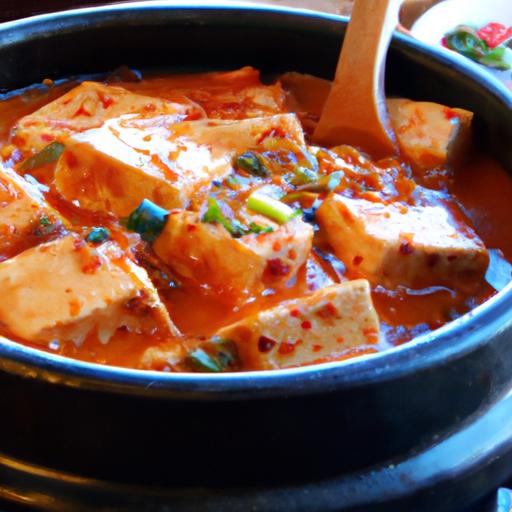
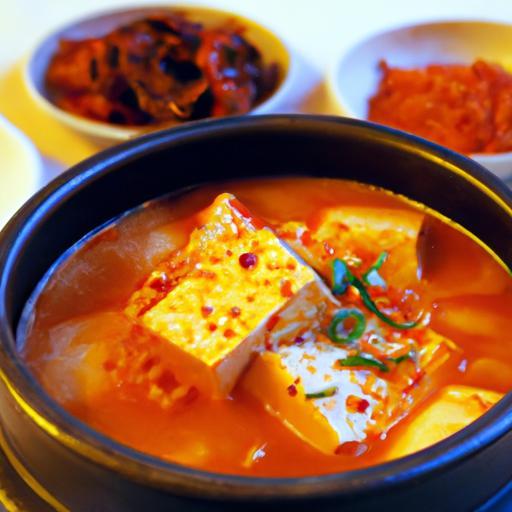

In the heart of Korean cuisine lies a dish that warms both the body adn soul-Kimchi Jjigae, the beloved tofu stew that captures the essence of tradition, flavour, and comfort in every steaming bowl. More than just a meal,this hearty stew tells a story of fermented brilliance and cultural heritage,where spicy,tangy kimchi meets silky tofu and rich,savory broth. Join us as we explore the vibrant layers of taste and history in Kimchi Jjigae, uncovering why it remains a steadfast favorite in korean households and a appetizing gateway for food lovers eager to savor the soul of Korea.
Kimchi Jjigae Tofu Stew Delight offers a soul-warming journey into Korea’s culinary heart, marrying the tangy heat of aged kimchi with silky tofu and a rich, savory broth. This beloved stew, cherished across Korean households for centuries, encapsulates layers of umami and comfort in every spoonful.Its origins lie in the practical tradition of using well-fermented kimchi to create a satisfying meal during colder months, but today it stands as a symbol of Korean hospitality and flavor mastery.
Prep and Cook Time
- Planning: 15 minutes
- Cooking: 35 minutes
- Total: 50 minutes
Yield
Serves 4 hungry guests
Difficulty level
Medium – approachable for everyday cooks, with a few customary techniques
Ingredients
- 2 cups well-fermented kimchi, chopped with ¼ cup kimchi juice
- 1 block (14 oz) firm tofu, drained and cut into 1-inch cubes
- 1 tablespoon vegetable oil
- 200g (7 oz) lean beef brisket or lean chicken thighs, thinly sliced (optional)
- 1 medium yellow onion, sliced
- 3 cloves garlic, minced
- 1 teaspoon grated ginger
- 1 tablespoon gochujang (Korean red chili paste)
- 1 tablespoon gochugaru (Korean red chili flakes)
- 4 cups anchovy or vegetable broth (use dried anchovies and kelp-infused broth for authenticity)
- 2 teaspoons soy sauce
- 1 teaspoon sugar
- 2 stalks green onions, cut into 2-inch pieces
- 1 teaspoon toasted sesame oil
- Fresh black pepper, to taste
Instructions
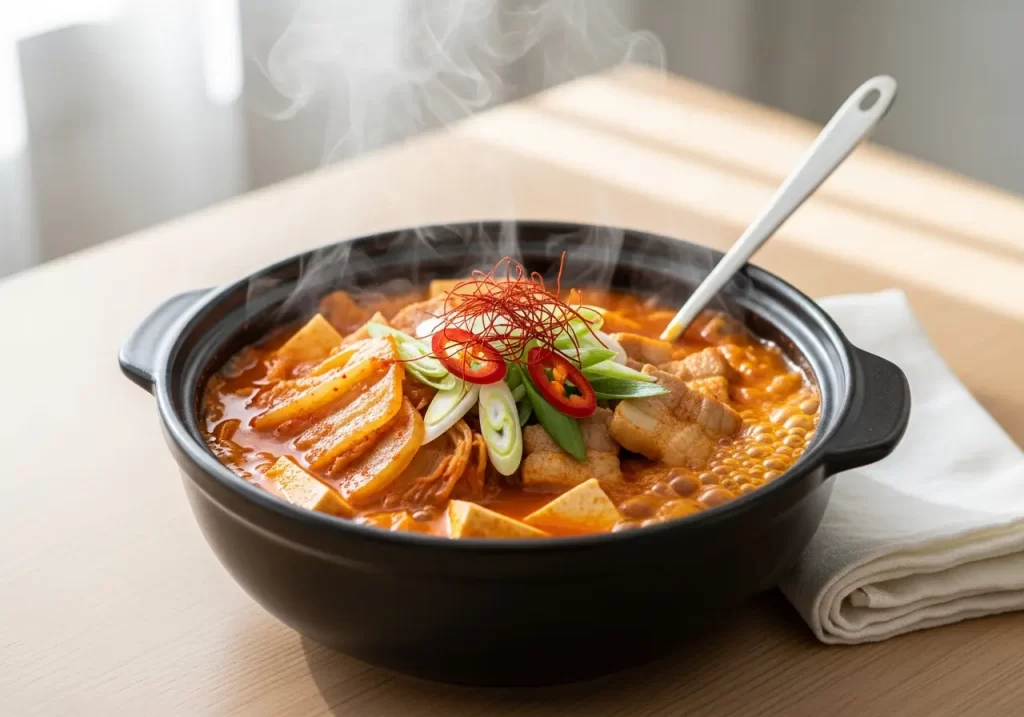
- Heat the vegetable oil in a heavy-bottomed pot over medium heat. Add the sliced onions and sauté until soft and translucent, about 5 minutes.
- Add garlic and ginger, stirring for another 1 minute until fragrant without browning.
- Incorporate the kimchi and its juice. Sauté for 5-7 minutes, allowing the acids and flavors in the kimchi to mellow and become aromatic.
- Optional protein step: Add the lean beef or chicken slices. Stir-fry until the meat just changes color, about 3 minutes, enhancing the stew’s depth.
- Blend in the gochujang and gochugaru, stirring vigorously to coat all ingredients evenly.
- Pour in the broth, then add soy sauce and sugar. Bring the mixture to a boil; reduce heat and let simmer for 20 minutes, allowing flavors to marry entirely.
- Gently nestle the tofu cubes into the simmering stew. Cook for another 7-10 minutes, letting the tofu absorb the rich broth without breaking apart.
- Finish by folding in green onions and drizzling sesame oil. Season with freshly ground black pepper to taste.
- Serve hot, preferably straight from the pot to retain its comforting warmth.
Tips for Success
- Kimchi Quality: Opt for well-aged, deeply fermented kimchi for complex tang and umami. Avoid fresh or mild kimchi to preserve authentic flavor.
- Broth Matters: Homemade anchovy broth elevates the stew’s signature taste, but a high-quality vegetable stock can be used for a vegetarian twist.
- Protein Alternatives: For a plant-based version,omit meat and add hearty mushrooms like shiitake or oyster for texture and earthiness.
- Controlling Heat: Adjust the amount of gochugaru to modify spiciness. Keep gochujang for its sweet-spicy balance and fermented depth.
- Make-Ahead: The stew’s flavor deepens overnight. Reheat gently, stirring occasionally to maintain tofu shape and consistency.
Serving Suggestions
Serve the kimchi jjigae tofu stew steaming hot in rustic stone bowls, allowing guests to admire the vibrant reds and textures. Garnish with thinly sliced scallions, a sprinkle of toasted sesame seeds, or a few fresh chili rings for color and zest.Accompany the stew with a spread of traditional Korean sides such as banchan-think crisp cucumber kimchi, nutty spinach namul, and steamed white rice to balance the stew’s intensity. A bowl of chilled dongchimi (radish water kimchi) adds a refreshing, palate-cleansing contrast, rounding out an authentically Korean feast.

| Nutrient | Per Serving |
|---|---|
| calories | 290 kcal |
| protein | 18 g |
| Carbohydrates | 21 g |
| Fat | 12 g |
Q&A
Q&A: Savor the Soul of Korea: Kimchi jjigae Tofu stew Delight
Q1: What is Kimchi Jjigae, and why is it so beloved in Korean cuisine?
A1: Kimchi jjigae is a hearty Korean stew that centers around kimchi-the fermented, spicy cabbage that’s a national treasure. This stew captures the essence of Korean comfort food, balancing tangy, spicy, and savory flavors in a bubbling pot. It’s beloved for its warmth, depth, and the way it brings people together around the table.
Q2: How does tofu enhance the Kimchi Jjigae experience?
A2: Tofu adds a silky texture and subtle creaminess to the stew, creating a beautiful contrast with the tangy, spicy kimchi. It soaks up the rich broth’s flavors,making each bite deeply satisfying and nourishing without overpowering the stew’s signature taste. Plus, it’s a fantastic plant-based protein that keeps the dish wholesome and hearty.
Q3: Can Kimchi Jjigae be made vegetarian or vegan-friendly?
A3: Absolutely! By using vegetable broth instead of traditional seafood or meat-based broths, and relying on tofu, mushrooms, and robust kimchi, Kimchi Jjigae can be transformed into a vibrant vegan dish. Just make sure the kimchi itself is free of fish sauce or shrimp paste, which some brands include.
Q4: What are the key ingredients that make this stew authentically Korean?
A4: The soul of Kimchi Jjigae lies in aged kimchi, gochugaru (Korean red pepper flakes), garlic, and a splash of soy sauce or traditional fermented soybean paste (doenjang). These ingredients marry beautifully to create layers of umami, spice, and tang. Soft tofu and green onions finish the dish with creamy texture and fresh aroma.
Q5: How do you achieve the perfect balance of flavors in Kimchi Jjigae?
A5: Patience is key.starting with sautéing kimchi and garlic in a hot pot helps release deep flavors. Adding broth and simmering gently allows the spices to mingle perfectly. Adjust with salt or a pinch of sugar to balance the acidity of the kimchi. The tofu should be added towards the end to retain its delicate texture. This slow melding creates a stew that’s robust but harmonious.
Q6: What’s the best way to enjoy Kimchi jjigae?
A6: Serve it steaming hot in a traditional korean stone pot with a side of fluffy white rice. The rice softens the heat and helps soak up every drop of the flavorful broth. Pair it with simple banchan (korean side dishes) like seasoned spinach or pickled radishes for a full authentic experience. It’s a meal that nourishes body and soul alike.
Q7: Can Kimchi Jjigae be customized for different tastes?
A7: Definitely! While the classic version focuses on kimchi and tofu, you can add mushrooms, zucchini, or even chunks of firm fish like cod or white fish to deepen the flavor. Just avoid ingredients that stray from the stew’s traditional heart,maintaining its signature spicy and tangy essence.
Q8: Why is Kimchi Jjigae considered a dish of comfort and heritage in Korea?
A8: Kimchi Jjigae is much more than a stew-it’s a symbol of tradition, resourcefulness, and warmth. Passed down through generations, it embodies the Korean spirit of making somthing joyful from simple, fermented ingredients. Especially on cold days, it satisfies the hunger and soothes the spirit, connecting people to their roots and memories.
Q9: Is making kimchi Jjigae at home intricate for beginners?
A9: Not at all! The beauty of Kimchi Jjigae is its straightforward preparation. With just a handful of ingredients and basic cooking steps-sauté, simmer, and serve-you can create this soulful stew in under an hour. Plus, it’s forgiving; you can adjust seasonings to your liking and experiment over time.
Q10: What should one remember when selecting kimchi for the stew?
A10: Opt for well-fermented, aged kimchi with a deep red color and tangy punch. Younger kimchi tends to be milder and less flavorful for the stew’s needs. The longer fermentation provides the characteristic sourness that makes Kimchi Jjigae sing.If sourcing kimchi from a store, ask for “baechu kimchi” (napa cabbage kimchi) ideally aged for a few weeks or more.
bring the heart of Korea into your kitchen with this timeless stew-a bubbling pot of spicy kimchi,tender tofu,and soulful memories waiting to be shared.
Wrapping Up
As the rich,spicy aroma of Kimchi Jjigae fills your senses and the comforting warmth of soft tofu melts on your tongue,you’re not just enjoying a meal-you’re partaking in a centuries-old Korean tradition.this humble stew, with its harmonious blend of tangy kimchi, savory broth, and silky tofu, offers more than taste; it offers a glimpse into Korea’s vibrant culture and enduring love for soul-nourishing food. Whether you’re a seasoned foodie or a curious newcomer, savoring Kimchi Jjigae is an invitation to experience the heart and heritage of Korea, one flavorful spoonful at a time.So next time you crave something truly soulful, remember: the delight of Kimchi Jjigae awaits, ready to warm both body and spirit.