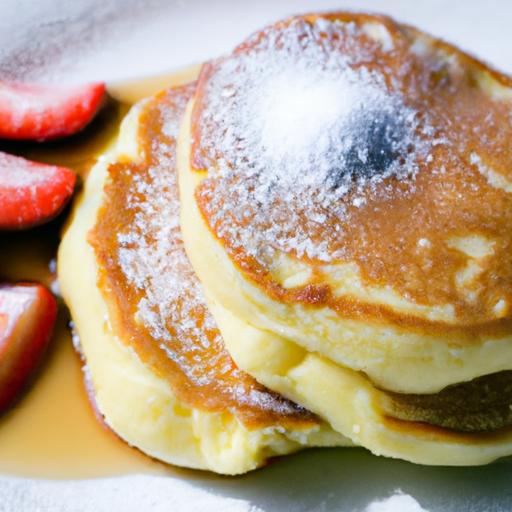
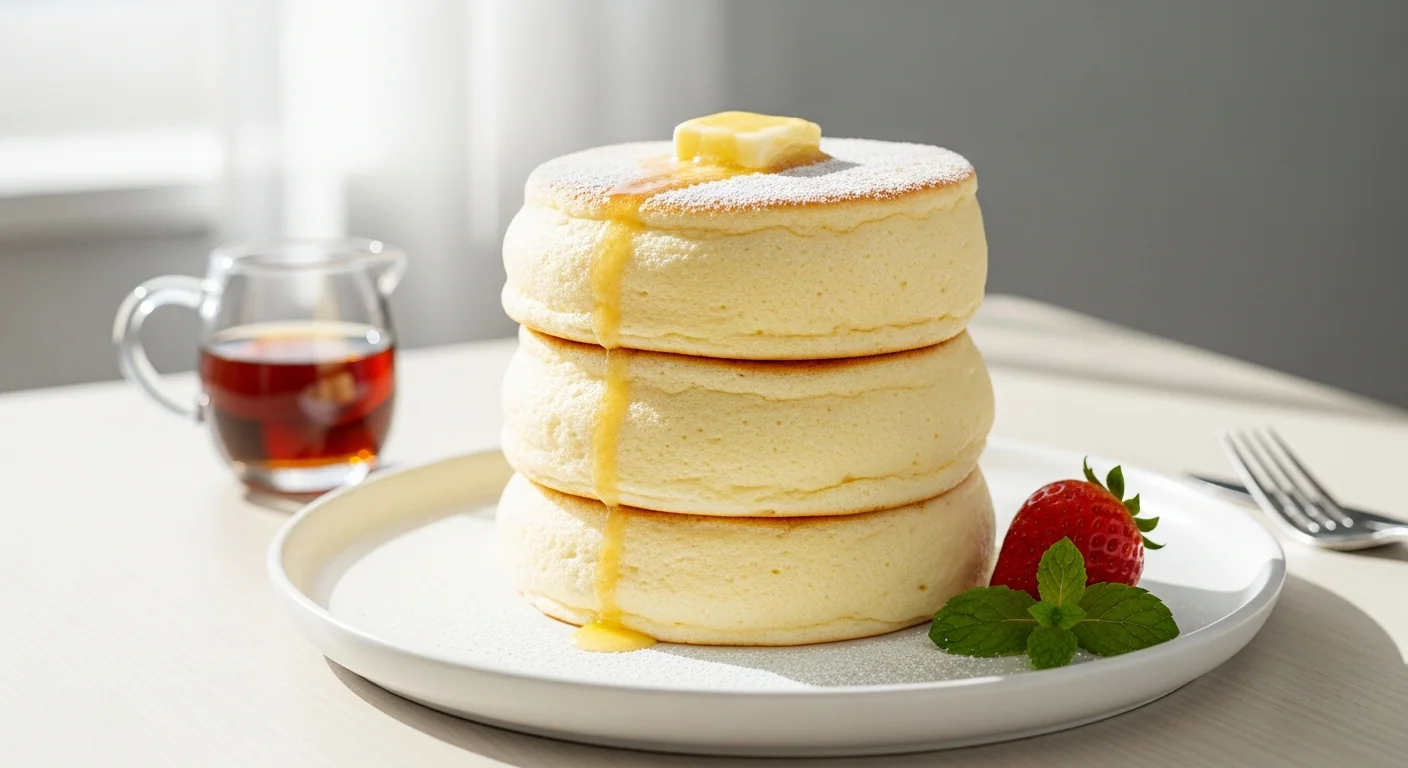

There’s a lofty marvel rising from the bustling cafes of Japan-a culinary phenomenon that has captured hearts and palates around the world: the Japanese souffle pancake. Unlike any conventional flapjack, these ethereal stacks promise a cloud-like texture that melts effortlessly on the tongue, balancing delicate sweetness with an airy, pillowy softness. But behind thier seemingly simple appearance lies a engaging blend of artistry and science,where precision meets creativity in the quest for the perfect rise. Join us as we delve into the enchanting world of fluffy delight, exploring the origins, techniques, and secrets that transform humble batter into an unforgettable gastronomic experience.
Fluffy Delight: The Art and Science of Japanese Souffle Pancakes invites you to discover a dessert that’s as much about the journey as the destination. Originating from the vibrant café culture of Japan, these ethereal pancakes revolutionized morning and afternoon treats worldwide with their lofty structure and cloud-like softness.This iconic dish embodies patience, precision, and a playful approach to traditional pancake recipes. Let’s explore how to capture that signature fluffiness,elevate flavors,and serve with style.
Prep and Cook Time
- Readiness Time: 20 minutes
- Cooking Time: 15 minutes
- Total Time: 35 minutes
Yield
Serves 4 soufflé pancakes (2 pancakes per person)
Difficulty Level
Medium – Requires attention to mixing techniques and gentle heat control but highly rewarding for any home cook.
Ingredients
- 3 large eggs, separated
- 3 tablespoons granulated sugar, divided
- 1/4 cup all-purpose flour, sifted
- 1/4 cup whole milk
- 1/2 teaspoon vanilla extract
- 1/4 teaspoon cream of tartar
- Butter, for greasing the pan
- Powdered sugar, for dusting (optional)
Instructions
- Prep Your Batter Base: In a clean bowl, whisk the egg yolks with half of the sugar (1.5 tablespoons) until pale and slightly thickened. Stir in the sifted flour gently, followed by the milk and vanilla extract, creating a smooth, glossy batter. Set aside.
- Whip the Egg Whites: Using an electric mixer or stand mixer, beat the egg whites with cream of tartar until soft peaks form. Gradually add the remaining sugar and continue whisking until stiff peaks develop, ensuring a shiny, thick meringue.
- Fold for Fluff: Carefully fold one-third of the meringue into the yolk batter to lighten it. Then,gently fold in the remaining meringue in two additions. Use a spatula with broad, sweeping motions-avoid deflating the mixture to retain volume.
- Heat Your Pan: Preheat a non-stick skillet over low heat and grease it lightly with butter. Low heat is crucial to cook pancakes through without burning.
- Scoop and Shape: Using a large spoon or ice cream scoop, transfer the batter into the pan, aiming to form thick rounds about 3 to 4 inches wide. Cover instantly with a lid to trap steam and encourage rising.
- Cook Slowly: cook for 4 to 5 minutes until the bottoms turn golden and bubbles appear on the surface. Carefully flip with a wide spatula, cover again, and cook for another 4 minutes until the other side is golden and the pancakes are cooked through.
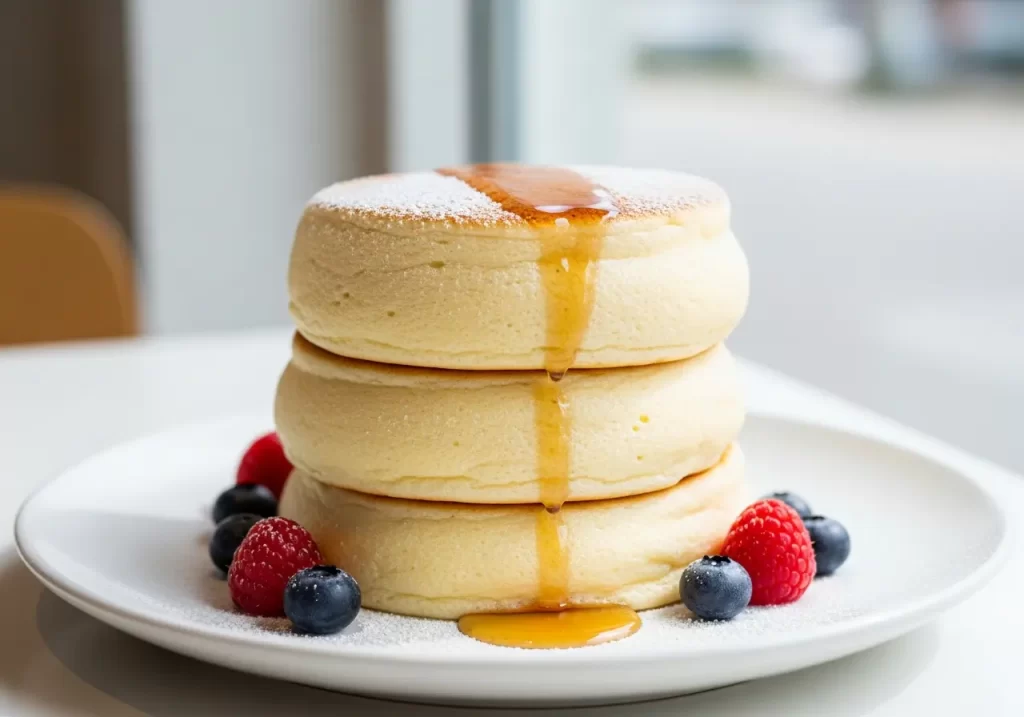
- Serve Immediately: Transfer the soufflé pancakes to a plate and dust with powdered sugar or add fresh fruit and a drizzle of maple syrup.
Tips for Success
- Room Temperature Eggs: Using eggs at room temperature helps in achieving a higher volume when whipping the whites.
- Folding technique: Folding gently to combine the meringue without deflating air bubbles is key to the soufflé pancake’s signature height and fluff.
- Low and Slow Cooking: Maintain a low flame and covered pan to ensure even cooking and help the soufflé rise steadily like a delicate cloud.
- Make-Ahead: Prepare the batter and whisk the meringue just before cooking for best rise. Avoid refrigerating the batter as it loses lift.
- Flavor Variations: Add a teaspoon of matcha powder or a splash of citrus zest into the batter for an exciting twist on the classic.
Serving suggestions
Plate your Japanese soufflé pancakes stacked high, garnished with fresh berries, sliced bananas, or a dollop of whipped cream. For a vibrant touch, sprinkle edible flowers or scatter crushed pistachios. Enhance textures by adding a side of yogurt or your favorite fruit compote. serve with syrups like pure maple, honey, or a drizzle of melted dark chocolate to elevate the experience visually and flavorwise.

| Nutrient | Per Pancake |
|---|---|
| Calories | 150 kcal |
| protein | 5 g |
| Carbohydrates | 20 g |
| Fat | 5 g |
For further inspiration on perfect pancake technique, explore our extensive fluffy pancake guide. Additionally, dive deeper into the science of egg whites and batter aeration at Cook’s Illustrated.
Q&A
Q&A: Fluffy Delight – The Art and Science of Japanese Soufflé Pancakes
Q1: What makes Japanese soufflé pancakes diffrent from regular pancakes?
A: Unlike traditional pancakes, Japanese soufflé pancakes are famous for their ethereal fluffiness and towering height. This remarkable texture comes from folding whipped egg whites into the batter, creating tiny air pockets that puff up as they cook. The result is a delicate,souffle-like structure that practically melts on your tongue.
Q2: How do you achieve that signature soufflé pancake height and fluffiness?
A: The secret lies in technique and temperature control. First, you whip egg whites to soft peaks, gently folding them into the batter to keep as much air as possible. Then, you cook the batter slowly over low heat-frequently enough with a lid on the pan-to allow the pancakes to rise fully without burning. Some bakers also cook them in ring molds to help maintain their shape.
Q3: Why is egg white whipping so crucial in this recipe?
A: Egg whites, when beaten, trap air and form a foam structure. This acts as a natural leavening agent, giving the batter volume without additional chemical rising agents like baking powder. The foam’s stability during cooking is what creates the soufflé pancake’s signature lightness and springy texture.
Q4: Can the batter be prepared ahead of time?
A: It’s best to prepare the batter fresh, especially because the meringue (whipped egg whites) starts to lose its volume if left to sit too long. Folding the egg whites into the batter just before cooking ensures maximum fluff and rise.
Q5: What kind of pan should I use to make Japanese soufflé pancakes?
A: A non-stick frying pan is ideal to prevent sticking and allow easy flipping. Some cooks prefer heavy-bottomed pans for even heat distribution.Using a lid during cooking helps steam the pancakes gently, contributing to their fluffy texture.
Q6: Are there flavor variations for these pancakes, or are they always plain?
A: While classic soufflé pancakes rely on the simple beauty of vanilla and sweetness, there are endless ways to layer flavors-from matcha and black sesame to yuzu citrus and berry compotes. The key is to preserve the light texture, so added ingredients are frequently enough folded gently into the base batter or served as toppings.
Q7: How do japanese soufflé pancakes fit into Japanese food culture?
A: These pancakes embody Japan’s passion for meticulous technique and subtlety in flavors. They’ve become a cultural sensation and a café staple, celebrated for their craftsmanship as much as their taste-frequently enough enjoyed at leisure as a special treat rather than a quick breakfast.
Q8: Is it challenging to master the cooking method for soufflé pancakes?
A: It takes some patience and practice to perfect the gentle folding of egg whites and to control the heat during cooking. But with persistence, anyone can create these light clouds of sweetness. it’s a rewarding process that blends artful technique with rewarding science.
Q9: Can these pancakes be made vegan or dairy-free?
A: Traditional soufflé pancakes rely heavily on eggs for structure and dairy for richness, so vegan versions require creative substitutes-like aquafaba to mimic egg whites’ leavening, and plant-based milks and oils for moisture. While challenging, some bakers have successfully adapted recipes to capture similar fluffiness.
Q10: What’s the best way to serve Japanese soufflé pancakes?
A: They’re often plated with a dusting of powdered sugar, a pat of butter or whipped cream, and drizzled with maple syrup or honey. Fresh fruit, sweet red bean paste, or a dusting of matcha powder add an authentic Japanese flair. Serving them warm ensures the full experience of their cloud-like texture.
Dive into the world of Japanese soufflé pancakes, where culinary science meets fluffy poetry-each bite a delicate balance of air and sweetness that celebrates both technique and taste.
Insights and Conclusions
In the delicate world of japanese souffle pancakes, fluffy lightness meets meticulous technique-a harmonious dance between art and science. As you savor each cloud-like bite, you’re not just enjoying a dessert; you’re experiencing a culinary tradition rooted in precision and passion. Whether you’re a seasoned baker or an adventurous foodie,mastering the souffle pancake opens a gateway to both creativity and understanding the subtle chemistry behind texture and taste. So next time you whip up that airy batter, remember: each fold, each fold, each gentle rise tells a story of patience and craft, inviting you to delight in a truly elevated breakfast experience.