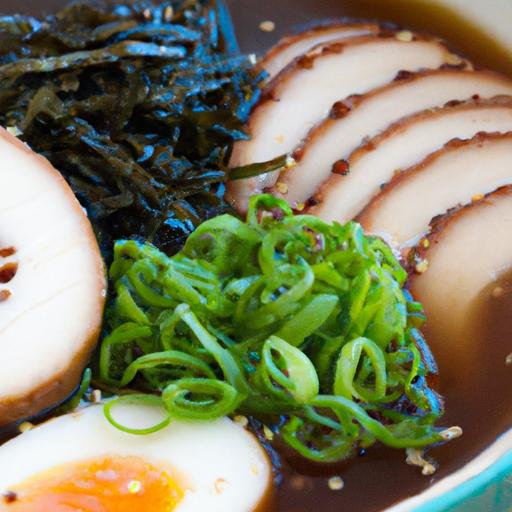
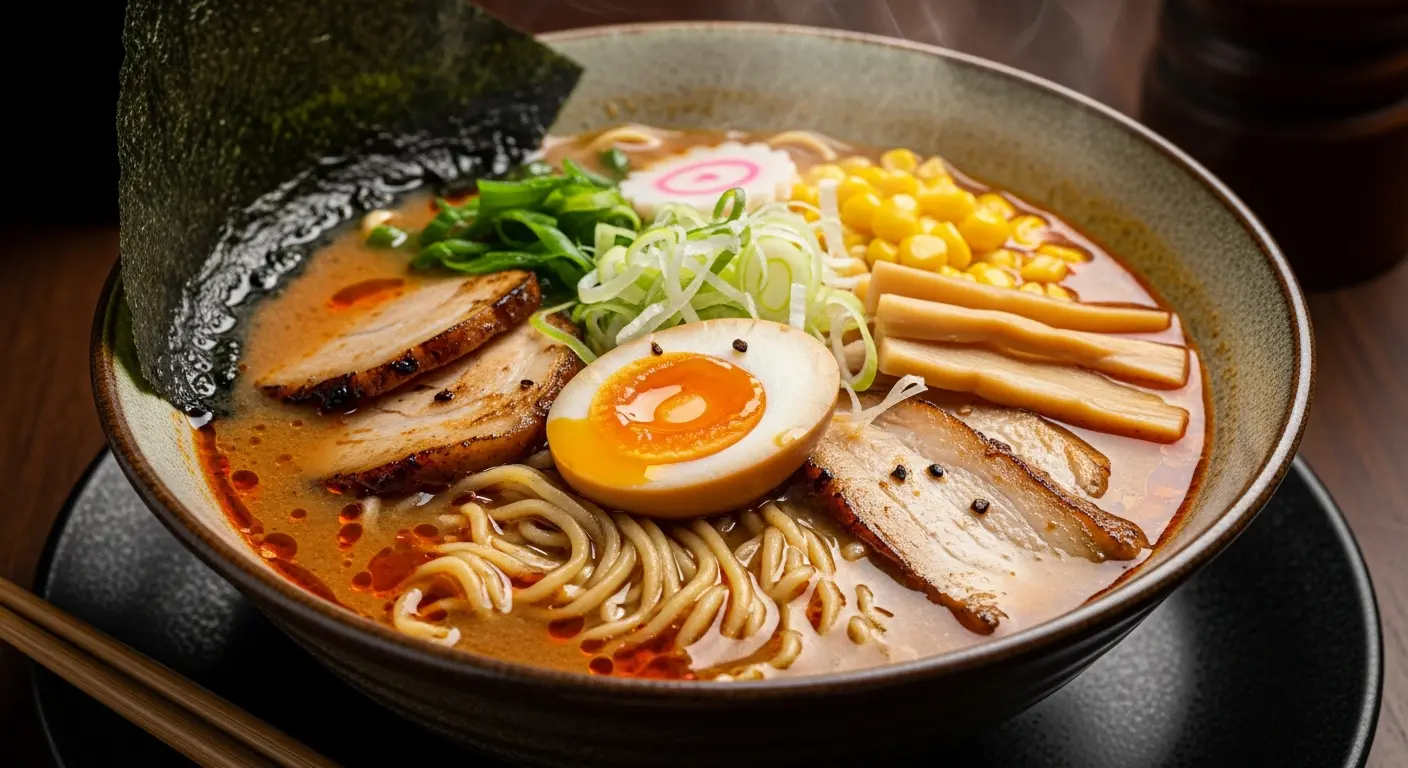

in the heart of Japan’s culinary tapestry lies a dish that embodies comfort,history,and an artful balance of flavors: miso ramen. More than just a bowl of noodles swimming in broth, miso ramen is a celebration of tradition-where fermented soybean paste meets savory richness in a harmonious dance. Journey with us as we explore the origins, cultural significance, and irresistible taste of this beloved delight, uncovering why miso ramen continues to captivate both locals and food enthusiasts around the world. Savor tradition, one flavorful slurp at a time.
Savoring Tradition: Exploring Japanese Miso Ramen Delight
Savoring Tradition: Exploring Japanese Miso Ramen Delight is much more than enjoying a comforting bowl of noodles; it’s immersing yourself in a rich tapestry of Japanese culinary history. Miso ramen, with its robust broth and harmonious blend of ingredients, was born from the northern regions of Japan and has evolved into a beloved classic enjoyed nationwide. This iconic dish captures the essence of seasonal Japanese flavors, delivering warmth and umami depth in every slurp.
Prep and Cook Time
- Readiness Time: 25 minutes
- Cook Time: 1 hour 15 minutes
- Total Time: 1 hour 40 minutes
Yield
Serves 4 generously, perfect for sharing memories over a steaming bowl.
Difficulty Level
Medium – ideal for adventurous home cooks ready to master authentic Japanese flavors.
Key Ingredients That Bring Out the Authentic Miso Ramen Flavor
- 4 cups dashi broth (preferably kombu and shiitake based for umami depth)
- 3 tbsp red or mixed Japanese miso paste (white miso can be blended in for sweetness)
- 500g fresh ramen noodles (or high-quality dried ramen)
- 2 tbsp sesame oil
- 3 cloves garlic, minced
- 1 tbsp ginger, finely grated
- 200g chicken thighs, skin removed and thinly sliced
- 1 cup sliced shiitake mushrooms
- 2 green onions, finely chopped
- 1 cup bean sprouts
- 2 soft-boiled eggs, halved
- 1 tbsp soy sauce
- Salt and freshly ground black pepper to taste
- Chili oil or rayu (optional) for spice lovers
Mastering the Art of Broth: Techniques for a Rich and Umami-Filled Experience
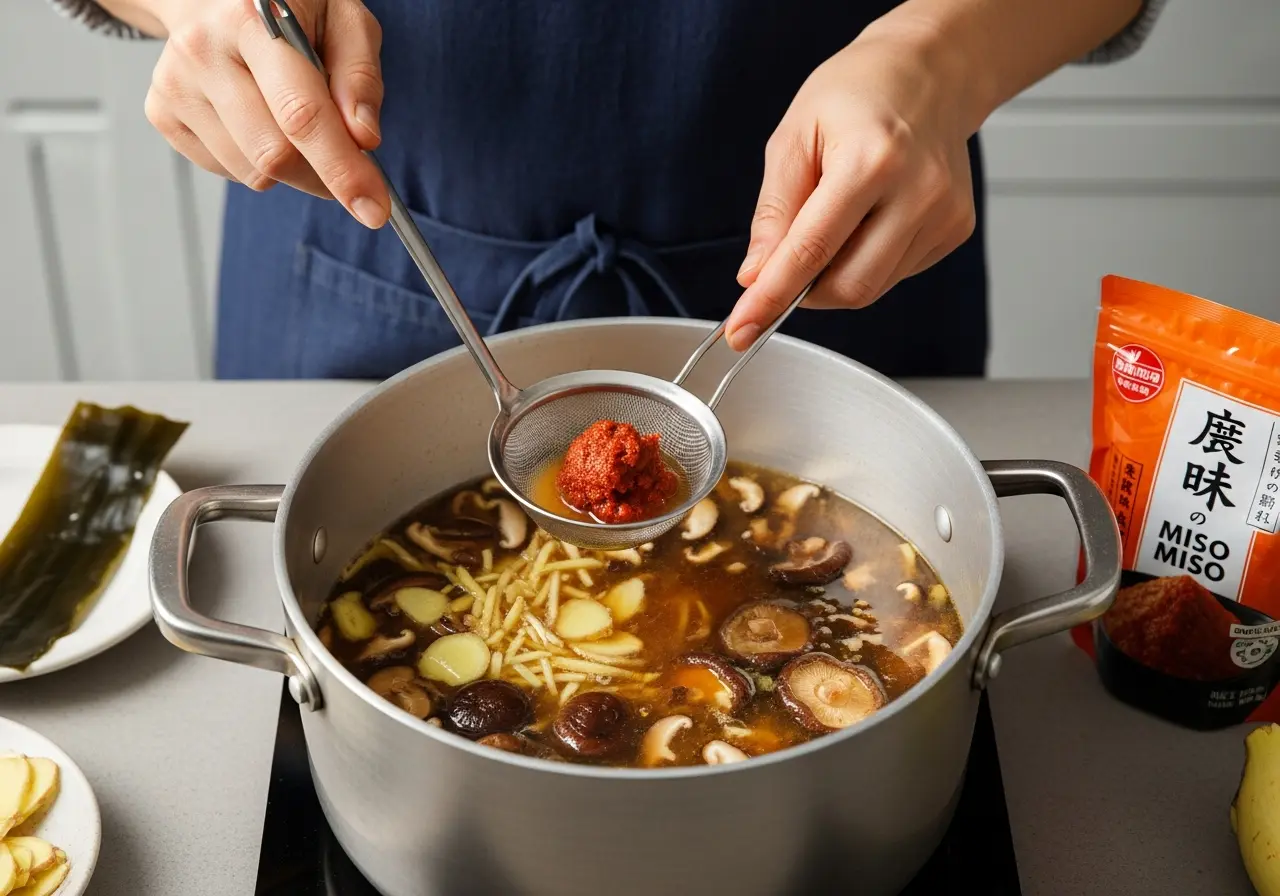
- Prepare the dashi broth: Start by soaking a 10cm piece of kombu seaweed in 4 cups of cold water for 30 minutes. Slowly heat to just before boiling, then remove kombu.
- Add shiitake mushrooms: Drop in 4-5 dried shiitake mushrooms to simmer for 20 minutes for a layered umami base.
- Sauté aromatics: In a separate pot, heat sesame oil and lightly sauté minced garlic and ginger until fragrant, about 2 minutes. Take care not to burn.
- Sear chicken: Add sliced chicken thighs to the aromatics and cook until no longer pink. This adds a savory backbone to the broth.
- Combine and simmer: Pour the infused dashi into the chicken and aromatics pot. Stir in soy sauce and bring to a gentle simmer.
- Incorporate miso paste: Remove 2 ladlefuls of broth,whisk the miso paste into this until smooth,then gradually stir it back into the main pot. Avoid boiling after adding miso to preserve its delicate flavors.
- Simmer and balance seasoning: Let the broth mellow on low heat for 15 minutes, adjusting salt or soy sauce as needed.
Top Regional Miso Ramen varieties to Savor on Your Next Culinary adventure
While this recipe draws inspiration from Hokkaido’s famous Sapporo-style miso ramen, explore varieties such as:
- asahikawa: Known for its shoyu and miso fusion broth, highlighting pork-free dashi bases.
- Shinshu (Nagano): Featuring heartier vegetable broths, perfect for those seeking plant-forward umami.
- Kyushu: Although more tonkotsu-centric, its innovation in miso blends offers exciting flavor twists.
Instructions
- Cook noodles: Boil ramen noodles according to package instructions, usually 3-4 minutes for fresh and 5-6 minutes for dried. Drain and set aside,tossing lightly with sesame oil to prevent sticking.
- Prepare broth: Follow the detailed broth preparation steps above for an authentic umami explosion.
- Sauté mushrooms and bean sprouts: in a hot pan, toss shiitake mushrooms and bean sprouts with a pinch of salt until tender but still crisp, about 3 minutes.
- Assemble bowls: Divide noodles evenly among four large bowls. Ladle hot miso broth generously over noodles, allowing steam to rise enticingly.
- Top creatively: Arrange sautéed mushrooms and bean sprouts atop noodles, nestle chicken slices, then add halved soft-boiled eggs and a sprinkle of chopped green onions.
- Finish with flair: Drizzle optional chili oil for a spicy kick and a final brush of toasted sesame oil for aroma.
Chef’s Notes: Tips for Success
- Miso varieties matter: Blend white and red miso for complexity-white for sweetness, red for depth.
- Broth clarity: Gently simmer broth; avoid rapid boiling after miso addition to keep flavors luminous and clean.
- Make-ahead broth: Prepare broth up to two days in advance and refrigerate-flavors intensify with time.
- Protein swaps: Substitute chicken thighs with firm tofu or shredded chicken breast for lighter options.
- Noodle alternatives: Soba or udon noodles can be used for texture variation, though ramen noodles remain classic.
- Egg perfection: For the perfect soft-boiled egg, cook eggs in boiling water for exactly 7 minutes, then plunge into ice water to stop cooking.
Serving Suggestions
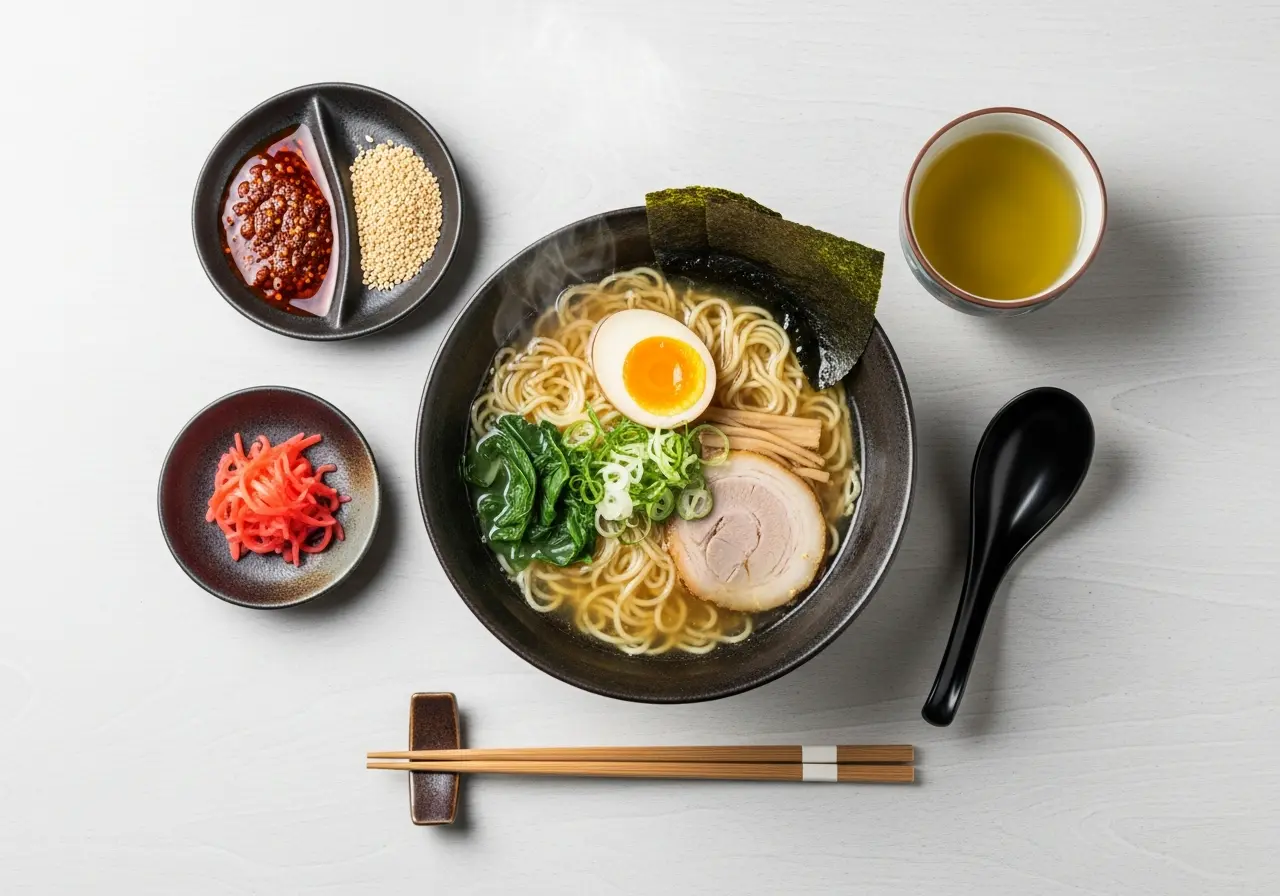
Serve steaming hot in deep ramen bowls, garnished with fresh cilantro or nori strips wrapping the bowl’s edge. Complement the meal with a side of crunchy pickled ginger or a bowl of edamame. Sip warm green tea or chilled barley tea (mugicha) to balance the savory richness.
| Nutrient | Per Serving |
|---|---|
| Calories | 480 kcal |
| Protein | 32 g |
| Carbohydrates | 56 g |
| Fat | 14 g |
For a deeper dive into other classic japanese soups and broths, explore our article on Mastering Japanese Soups and Broths. To learn more about conventional Japanese ingredients, visit Japan Ministry of Agriculture, Forestry and Fisheries.
Q&A
Q&A: Savoring Tradition – Exploring Japanese Miso Ramen Delight
Q1: What makes miso ramen distinct from other types of Japanese ramen?
A1: Miso ramen stands apart thanks to its rich,umami-packed broth made primarily from fermented soybean paste-miso. Unlike shoyu (soy sauce) or shio (salt) ramen, miso ramen offers a hearty, slightly sweet, and deeply savory flavor profile that warms both the palate and the soul.Its signature broth is often thick and robust, embodying the essence of traditional Japanese fermentation.
Q2: Where did miso ramen originate, and how did it become popular?
A2: Miso ramen was born in Sapporo, the capital of hokkaido, Japan’s northern island known for its chilly climate. This region’s cold weather inspired the creation of a ramen style with a rich,warming broth. Since its inception in the mid-20th century,miso ramen has grown beyond Hokkaido,becoming a beloved staple across Japan and around the world,celebrated for its comforting and satisfying flavor.
Q3: What are the key components that make up a classic bowl of miso ramen?
A3: A traditional miso ramen bowl features several harmonious components: the broth-a miso-laden, hearty base; curly or slightly wavy noodles designed to capture the broth’s richness; and an array of toppings such as tender chicken slices, bamboo shoots, bean sprouts, sweet corn, green onions, and soft-boiled eggs. Each element adds texture and flavor, creating a balanced and multi-dimensional dish.
Q4: How does the fermentation of miso influence the ramen’s flavor?
A4: Fermentation transforms soybeans into miso by inviting beneficial microbes to develop over time, producing complex flavors and aromas. This process enriches the broth with layers of savory depth, slight sweetness, and a touch of earthiness. The result is a broth bursting with umami richness that is both nurturing and flavorful, essential to the miso ramen experience.
Q5: can miso ramen be adapted for vegetarian or vegan diets?
A5: Absolutely! While traditional broths frequently enough incorporate chicken or seafood stocks,vegetarian or vegan versions can be crafted using kombu (kelp),shiitake mushrooms,and vegetable stock to build a flavorful,umami-rich base. Toppings like tofu, corn, bamboo shoots, seaweed, and fresh vegetables can create a satisfying bowl without animal products, proving miso ramen’s versatility.
Q6: What makes the noodles in miso ramen unique compared to other ramen styles?
A6: Noodles in miso ramen generally have a firm, chewy texture and are usually curly or wavy. This design helps trap the thick, flavorful miso broth, ensuring that each bite delivers maximum taste. The noodles’ resilience complements the broth’s richness, creating a balanced mouthfeel that is both slurp-worthy and satisfying.
Q7: How can one savor miso ramen at its best in a resturant setting?
A7: to truly appreciate miso ramen, seek out establishments that specialize in Hokkaido-style ramen or those that emphasize house-made miso broths. Look for bowls where the broth coats the noodles generously, toppings are fresh and thoughtfully arranged, and the steam rising from the bowl hints at warmth and comfort. Pair your experience with attentive presentation and a cozy ambiance to fully savor this traditional delight.
Q8: Is miso ramen only enjoyed during colder months?
A8: Though its hearty and warming nature makes miso ramen a favorite during autumn and winter,its savory richness and variety of fresh toppings make it a year-round indulgence.Loved by many for its balance of flavors and textures,miso ramen can bring comfort irrespective of the season,proving that tradition can be tasty anytime.
Dive deeper into the world of miso ramen and experience a culinary tradition where every spoonful tells a story of culture, fermentation, and warm-hearted Japanese hospitality.
Wrapping Up
as the rich aroma of miso broth lingers and the tender noodles tuck warmly into your palate, you begin to understand why miso ramen is more than just a dish-it’s a vibrant thread woven deeply into Japan’s culinary tapestry. Savoring this traditional delight is not merely about tasting flavors; it’s an invitation to explore history, culture, and the art of balance perfected over generations. Whether enjoyed in a bustling Tokyo ramen shop or recreated in your own kitchen, miso ramen connects the past and present in every satisfying slurp.So next time you seek comfort fused with tradition, let miso ramen guide your journey-one bowl at a time.