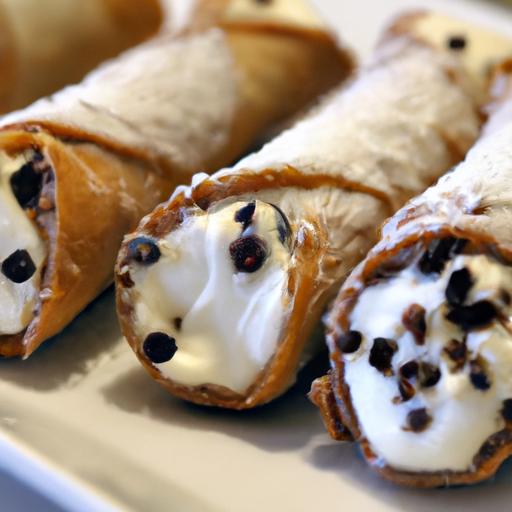
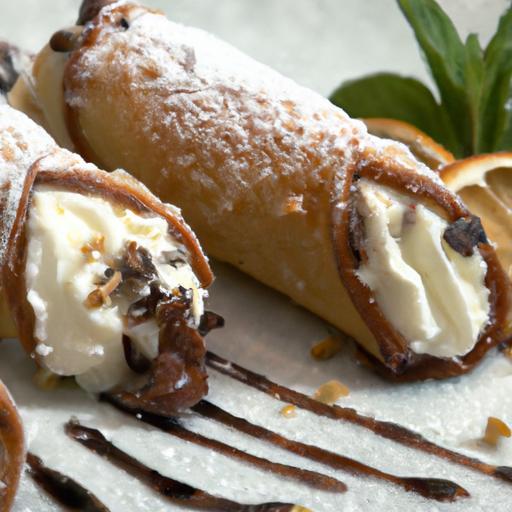

There’s a certain magic in the world of Italian desserts, but few treats capture the heart quite like the cannoli. these crisp, tubular shells filled with luscious ricotta cream are more than just pastry-they are a beloved symbol of Sicilian tradition and indulgence. Yet, behind every perfectly crunchy shell lies the true star of the show: the sweet ricotta filling. Rich, creamy, and subtly sweetened, this filling is a delicate balance of texture and flavor that transforms simple ingredients into an irresistible decadence.
In this article, we’ll delve into the secrets of crafting the quintessential ricotta filling, uncovering the techniques and tips that turn an ordinary dessert into a timeless classic. Prepare to discover the art and soul behind Italy’s most enchanting sweet delight.
Decadent Italian Cannoli: Secrets of Sweet Ricotta Filling
Decadent Italian cannoli, a timeless Sicilian dessert, enchant with their perfect harmony of crispy shells and luscious ricotta filling. originating from the vibrant streets of Palermo, this treat tells a story of tradition, passion, and culinary artistry. Crafting each component with precision transforms simple ingredients into a masterpiece that delights every bite, revealing the secrets behind that unmistakable crunchy texture paired with rich, sweetened ricotta.
Prep and Cook Time
- Planning: 40 minutes
- Cooking: 15 minutes
- Cooling and Assembly: 30 minutes
- Total Time: 1 hour 25 minutes
Yield
Makes approximately 12 cannoli shells with filling.
Difficulty Level
Medium – Requires some patience, but rewarding for both newcomers and seasoned bakers.
Ingredients
- For the Crispy Cannoli Shells:
- 2 cups all-purpose flour, sifted
- 2 tbsp granulated sugar
- 1/4 tsp salt
- 3 tbsp unsalted butter, chilled and cubed
- 1 large egg yolk
- 1/2 cup dry white wine (or substitute with sparkling water for non-alcoholic)
- Vegetable oil, for frying
- For the Sweet Ricotta Filling:
- 2 cups whole milk ricotta cheese, well drained
- 3/4 cup powdered sugar, sifted
- 1 tsp pure vanilla extract
- 1/4 cup mini chocolate chips (optional)
- zest of 1 orange (for subtle citrus infusion)
- A pinch of ground cinnamon (optional)
- for Garnish:
- Chopped pistachios
- Powdered sugar, for dusting
- Extra mini chocolate chips or candied orange peel
Instructions
- Prepare the dough: In a mixing bowl, combine flour, sugar, and salt. Add chilled butter and rub it in with yoru fingertips until the mixture resembles coarse crumbs.
- Mix wet ingredients: In a separate cup, whisk together the egg yolk and white wine (or sparkling water). Gradually pour into the dry ingredients, stirring with a fork until a shaggy dough forms.
- Knead the dough: Transfer to a floured surface and knead for about 5-7 minutes until smooth and elastic. Wrap in plastic and refrigerate for at least 30 minutes to rest.
- Roll and cut: Roll the dough out thinly (about 1/8 inch) between two sheets of parchment paper. using a 4-inch round cutter, cut circles. Repeat until all dough is used.
- Form the shells: Wrap each circle around a greased cannoli tube, sealing the edges with a small brush of water or egg white.
- Heat oil and fry: In a deep skillet or pot, heat vegetable oil to 350°F (175°C). Fry cannoli shells for 2-3 minutes until golden and crisp, turning occasionally. Remove carefully and drain on paper towels. Let cool before removing tubes.
- Prepare the filling: In a chilled bowl, whisk the well-drained ricotta cheese until smooth. Fold in powdered sugar, vanilla, orange zest, and cinnamon. Gently mix in mini chocolate chips if using.
- Assemble the cannoli: Just before serving, fill a piping bag with ricotta filling and carefully pipe into each shell from both ends to ensure even distribution without sogginess.
- Garnish and serve: Dip the ends in chopped pistachios or extra chocolate chips, dust with powdered sugar, and add a sprinkle of candied orange peel for a festive flair.
Tips for Success
- Ensure dryness: Drain your ricotta cheese thoroughly by placing it in cheesecloth or a fine mesh strainer overnight for the creamiest filling without excess moisture.
- rolling thin: The thinner you roll your dough, the crispier the shell. Use a pasta machine if available for consistent thinness.
- Frying temperature: Maintain the oil at a steady 350°F to avoid greasy shells; too low will absorb oil, too high can burn.
- Advance prep: Cannoli shells can be made a day ahead and stored in an airtight container. Fill cannoli just before serving to preserve crunchiness.
- Flavor variations: Experiment with adding cinnamon or almond extract in the filling for unique twists that stay true to tradition.
Serving Suggestions
Serve these decadent Italian cannoli as an elegant finale to your meal, paired beautifully with a strong espresso or a fragrant cup of tea. present on a rustic wood board with a dusting of powdered sugar and a scattering of luminous pistachios. For a festive touch, add fresh berries or edible flowers to enhance color and vibrancy. These little delights are perfect for celebrations, coffee breaks, or whenever you crave a moment of sweet indulgence.
| Nutritional Info (per cannoli) | Calories | Protein | Carbs | Fat |
|---|---|---|---|---|
| Approximate | 320 kcal | 7 g | 35 g | 15 g |

For further inspiration on Italian desserts, explore Serious Eats’ Italian dessert collection to deepen your mastery of authentic flavors and techniques.
Q&A
Q&A: Decadent Italian Cannoli – Secrets of Sweet ricotta Filling
Q1: What makes the ricotta filling in cannoli so special?
A1: The magic of the ricotta filling lies in its luscious, creamy texture and subtly sweet flavor. Fresh ricotta cheese provides a light, silky base that balances sweetness with a mild tang, creating a decadent contrast to the crisp, crunchy pastry shell. The perfect filling is smooth yet considerable, not overly dense, allowing the cannolo to feel indulgent without being heavy.
Q2: Is there a secret to selecting the right ricotta for the filling?
A2: Absolutely! Traditional Italian cannoli filling calls for fresh, whole-milk ricotta, ideally from sheep’s milk, which offers a richer flavor and creamier consistency compared to cow’s milk ricotta. Look for ricotta labeled as “fresh” or “creamy,” and avoid dry or grainy varieties. To achieve the silken texture prized in cannoli, the ricotta is frequently enough strained or whipped to remove excess moisture.
Q3: How do you sweeten the ricotta without overpowering its delicate flavor?
A3: Sweetness in cannoli filling is typically introduced through fine confectioners’ sugar or a dusting of superfine sugar, which dissolves effortlessly. This gentle approach lets the natural tang of the ricotta shine. Some recipes incorporate a hint of vanilla extract or citrus zest-like orange or lemon-to add aromatic brightness without overshadowing the creamy base.
Q4: Are there traditional flavor enhancers added to the ricotta filling?
A4: Yes! Classic cannoli recipes often include tiny morsels of candied citrus peel, mini chocolate chips, or a splash of aromatic liqueurs such as Strega or marsala (non-alcoholic versions can be used as well) to elevate the flavor complexity. These add both texture and subtle bursts of sweetness, creating a dynamic mouthfeel.
Q5: How can you ensure the cannoli shells stay crispy when filled?
A5: The key is to fill the shells just before serving. Ricotta filling contains moisture, which, if in contact with the pastry shell for too long, will soften it. some bakers lightly brush the inside of the shells with melted chocolate or a thin layer of jam to create a moisture barrier, helping to retain their signature crunch.
Q6: Can cannoli filling be made ahead of time?
A6: Yes, the ricotta filling is frequently enough prepared several hours or even a day before to allow the flavors to meld beautifully. It should be stored chilled in an airtight container. Just give it a gentle stir or whip before piping it into the shells to revive its creamy smoothness.
Q7: are there any creative twists on the classic sweet ricotta filling?
A7: Certainly! Modern variations might incorporate additions like chopped pistachios, a hint of cinnamon, or even a touch of honey for a natural floral sweetness. some chefs experiment with blending ricotta with mascarpone for extra creaminess or add a whisper of espresso powder for a subtle mocha note.
Q8: What’s the best way to pipe the ricotta filling into the shells?
A8: Using a piping bag fitted with a medium or large round tip ensures the filling slips smoothly into the narrow, tubular shells without breaking them. this method also allows for a generous, even fill that peeks enticingly from both ends of the cannolo.
Q9: Why is achieving the right balance of flavors so vital in cannoli filling?
A9: Cannoli is a harmonious blend of textures and tastes-the crispy shell, the creamy ricotta filling, and the nuanced hints of sweetness and aroma. Striking the right balance keeps the dessert elegant and satisfying, ensuring each bite delivers rich flavor without overwhelming the palate.
Q10: Can cannoli filling be adapted for dietary preferences?
A10: Yes, with a bit of creativity, you can adapt the filling! As an example, dairy-free ricotta-style fillings can be made using blended tofu or cashew bases mixed with sweeteners and flavorings to mimic the creamy consistency and subtly sweet taste beloved in traditional cannoli.
Dive deep into the decadent world of sweet ricotta-each creamy spoonful a hint of Italy’s storied culinary soul wrapped in a crisp, golden shell!
To Conclude
As we close the chapter on the decadent world of Italian cannoli, one truth remains clear: the enchanting allure lies not just in the crisp, golden shell but in the luscious ricotta filling that dances between sweet and silky perfection. Unlocking the secrets of this classic dessert reveals a delicate balance of tradition and technique, where every spoonful tells a story of heritage, passion, and indulgence. Whether you’re a seasoned baker or a curious gourmand, embracing the art of the sweet ricotta filling invites you to savor a timeless taste of Italy-one bite at a time. Buon appetito!