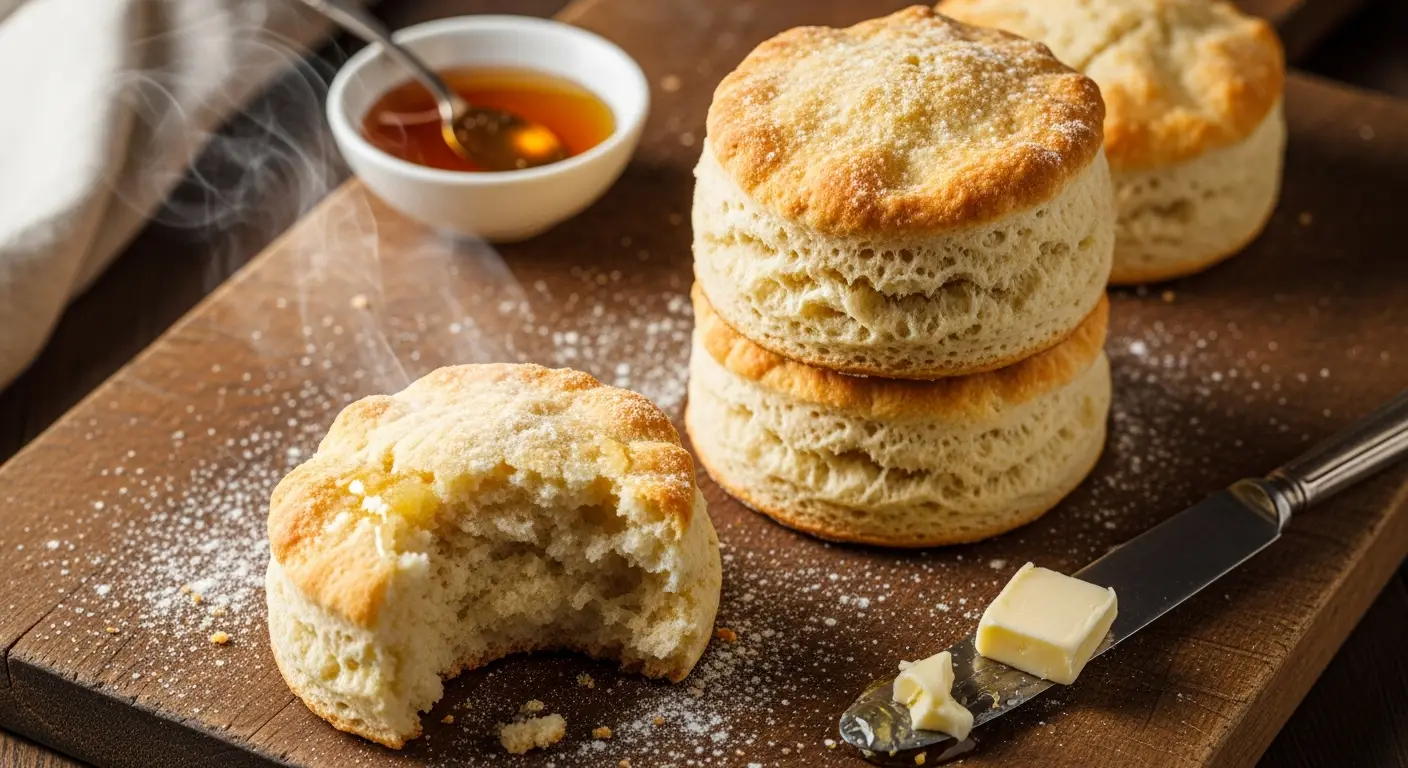

there’s something undeniably comforting about tearing into a warm,flaky biscuit fresh from teh oven-the way it yields softly beneath your fingers,releasing a whisper of buttery aroma that promises pure delight. but achieving that perfect, cloud-like softness isn’t always as simple as it seems.Fluffy buttermilk biscuits have long held a cherished spot on breakfast tables and dinner platters alike,yet their elusive tenderness can feel like a culinary mystery to unravel.
In this article, we’ll peel back the layers and reveal the secrets to crafting irresistibly soft buttermilk biscuits every time, transforming humble ingredients into a golden, pillowy masterpiece that melts in your mouth. weather you’re a seasoned baker or just biscuit-curious, get ready to discover the magic that makes these classics so enchantingly fluffy.
Understanding the Role of Buttermilk in Achieving ultimate Tenderness in fluffy Buttermilk Biscuits
Fluffy buttermilk biscuits owe their irresistibly tender crumb and delicate texture to the magic of buttermilk. this tangy dairy ingredient is more than just a liquid component; it’s a tenderizing agent that reacts beautifully wiht the baking soda to create light, airy biscuits that practically melt in your mouth. The acidity in buttermilk softens gluten strands in the flour, preventing toughness and encouraging unparalleled fluffiness.
Choosing cultured buttermilk or a high-quality buttermilk substitute ensures the right balance of acidity and moisture, which elevates each biscuit to a soft, cloud-like masterpiece. It also imparts subtle tang that makes each bite irresistibly rich and complex-a hallmark of traditional Southern-style biscuits that never fails to delight.
Choosing the Right Flour and Leavening Agents for Fluffy Buttermilk Biscuits
For truly fluffy buttermilk biscuits, using the right flour is essential. All-purpose flour is your best friend here-its moderate protein content forms enough gluten for structure without making your biscuits tough. Avoid bread flour, which can create a dense crumb, and cake flour, which may lack the strength to hold rise.
The secret to perfect lift lies in combining baking powder and baking soda. Buttermilk’s acidity activates baking soda,delivering an immediate rise,while baking powder ensures a steady lift during baking. This duo guarantees that light and fluffy texture every biscuit enthusiast dreams of. Make sure your leavening agents are fresh for maximum reaction!
Mastering Dough Handling Techniques to Preserve Airiness
Handling biscuit dough with care is the gateway to fluffiness. overmixing develops too much gluten, resulting in tough biscuits, so mix just until the ingredients come together-a shaggy, slightly sticky dough is perfect. When incorporating cold butter, aim for pea-sized chunks rather than fully blending it in; these pockets melt during baking, creating steam that expands the dough.
When rolling out the dough, gently press it instead of rolling aggressively. Fold the dough onto itself a few times to build delicate layers, which are the secret to flaky, airy biscuits. Use a sharp biscuit cutter and avoid twisting it when cutting shapes-twisting seals edges and prevents rising.Transfer cut biscuits to the baking sheet promptly to keep the dough cold.
Baking Tips That Lock in Moisture and Elevate Softness
Baking fluffy buttermilk biscuits requires precision in temperature and timing. A very hot oven (425°F/220°C) ensures rapid rising, which locks in moisture for tender, soft results. Placing a small oven-safe dish of water on a rack below the biscuits creates steam, enhancing softness and preventing drying.
Bake biscuits on a preheated heavy-duty baking sheet or cast-iron skillet, which promotes even heat distribution and golden crusts. As soon as thay come out of the oven, brushing tops with melted butter adds richness and a beautiful sheen while sealing moisture inside. Let your biscuits rest briefly before serving to maintain their tender crumb.
Prep and Cook Time
- Prep Time: 15 minutes
- Cook Time: 12-15 minutes
- Total Time: 30 minutes
Yield
Makes 12 fluffy buttermilk biscuits
Difficulty level
Easy to Medium– perfect for home cooks looking to master classic biscuit-making techniques.
Ingredients
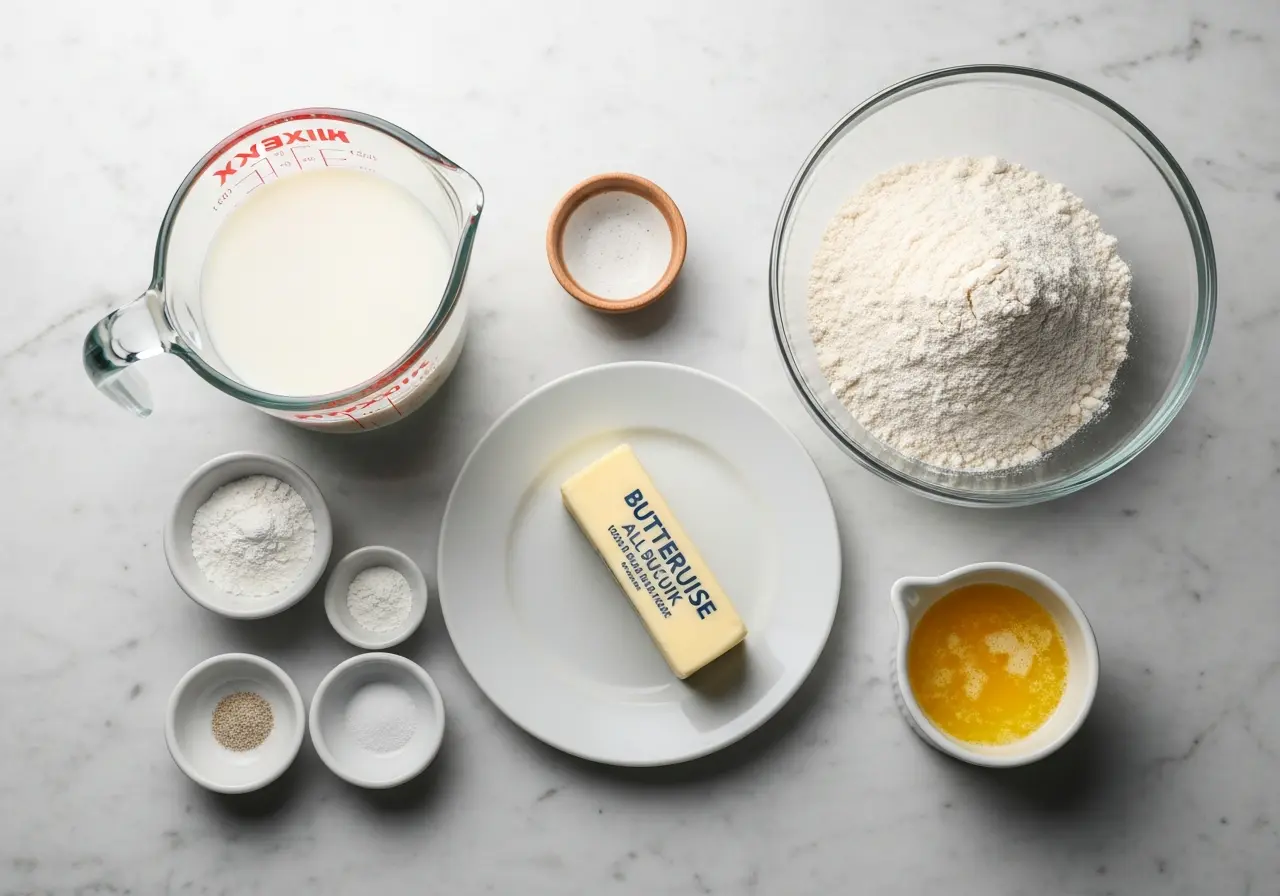
- 2 cups all-purpose flour, sifted
- 1 tablespoon baking powder
- 1/2 teaspoon baking soda
- 1 teaspoon salt
- 6 tablespoons unsalted butter, very cold and cut into small cubes
- 1 cup buttermilk, well chilled
- melted butter, for brushing
instructions
- Preheat your oven to 425°F (220°C). Position a rack in the lower middle section and place a heavy-duty baking sheet inside to heat.
- In a large mixing bowl, whisk together all-purpose flour, baking powder, baking soda, and salt until fully combined.
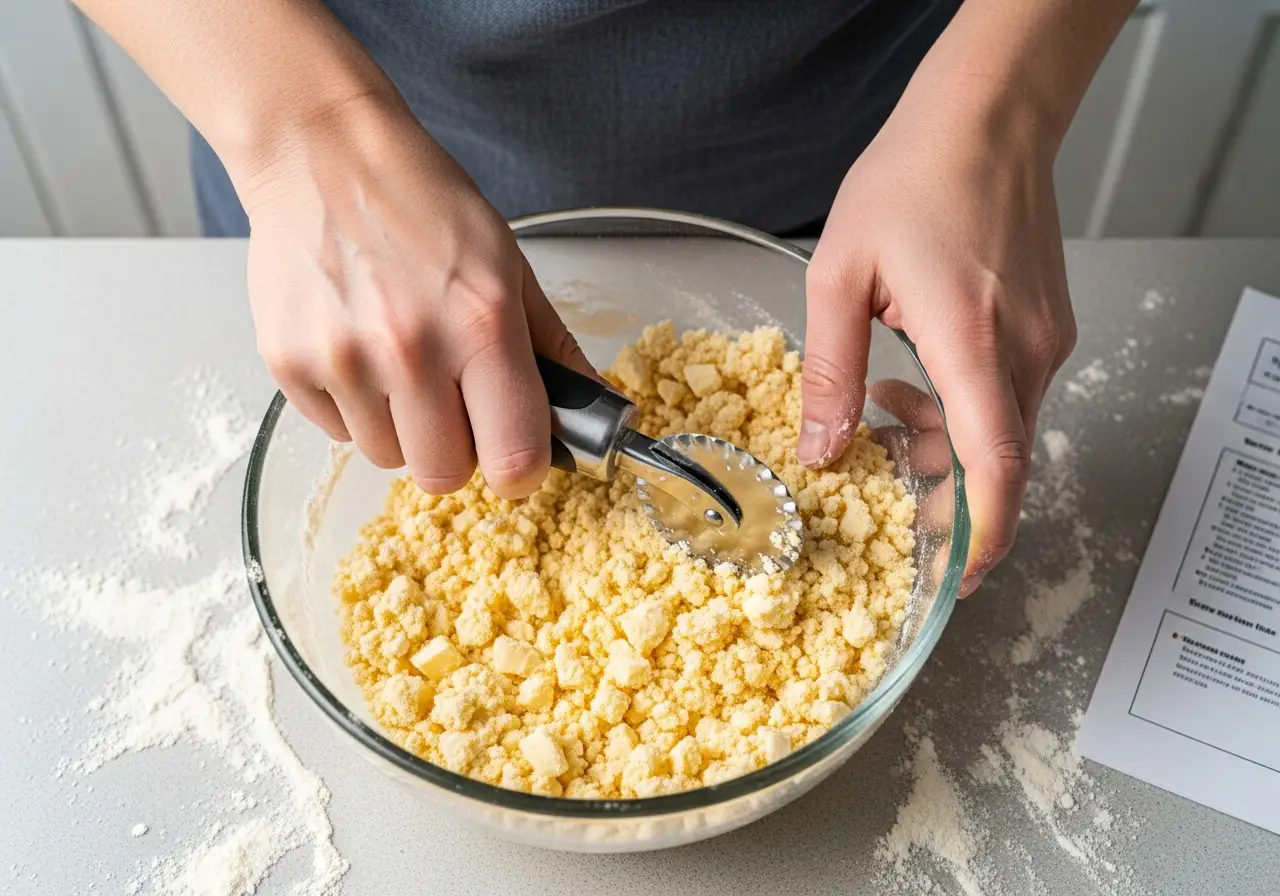
- Add the cold, cubed butter to the flour mixture. Using a pastry cutter or your fingertips, quickly cut the butter into the flour until it resembles coarse crumbs with pea-sized pieces.
- Make a well in the center of the mixture and pour in the cold buttermilk. Stir gently with a wooden spoon or spatula just until the dough comes together. It shoudl be slightly sticky but hold shape.
- Turn the dough out onto a lightly floured surface. Pat it into a rough rectangle about 1-inch thick.Fold the dough over itself 2-3 times to create layers and flaky texture.
- Gently press the dough out to about 3/4 inch to 1-inch thickness. Use a sharp biscuit cutter to stamp out rounds without twisting. Press straight down to avoid sealing edges.
- Place the cut biscuits on a parchment-lined baking sheet or preheated skillet with the edges touching for soft sides, or spaced apart for crustier edges.
- Bake for 12-15 minutes or until the tops are golden brown and risen.
- Promptly brush the hot biscuit tops with melted butter to enhance softness and shine.
- Let cool slightly before serving warm to fully enjoy their tender,fluffy texture.
Tips for Success: Chef’s Notes
- Use frozen butter for even better puff, cutting it into the flour while still solid to trap air pockets.
- Substitute cultured buttermilk with milk plus 1 tablespoon lemon juice or white vinegar, let rest 5 minutes-though fresh buttermilk is preferred for flavour.
- overworking the dough leads to tough biscuits; handle as little as possible to preserve lightness.
- Save extra biscuits by freezing them unbaked on a sheet, then transfer to a sealed bag; bake from frozen adding 3-5 extra minutes.
- For a golden crust variation, sprinkle a light dusting of sugar or flaky sea salt before baking.
Serving Suggestions
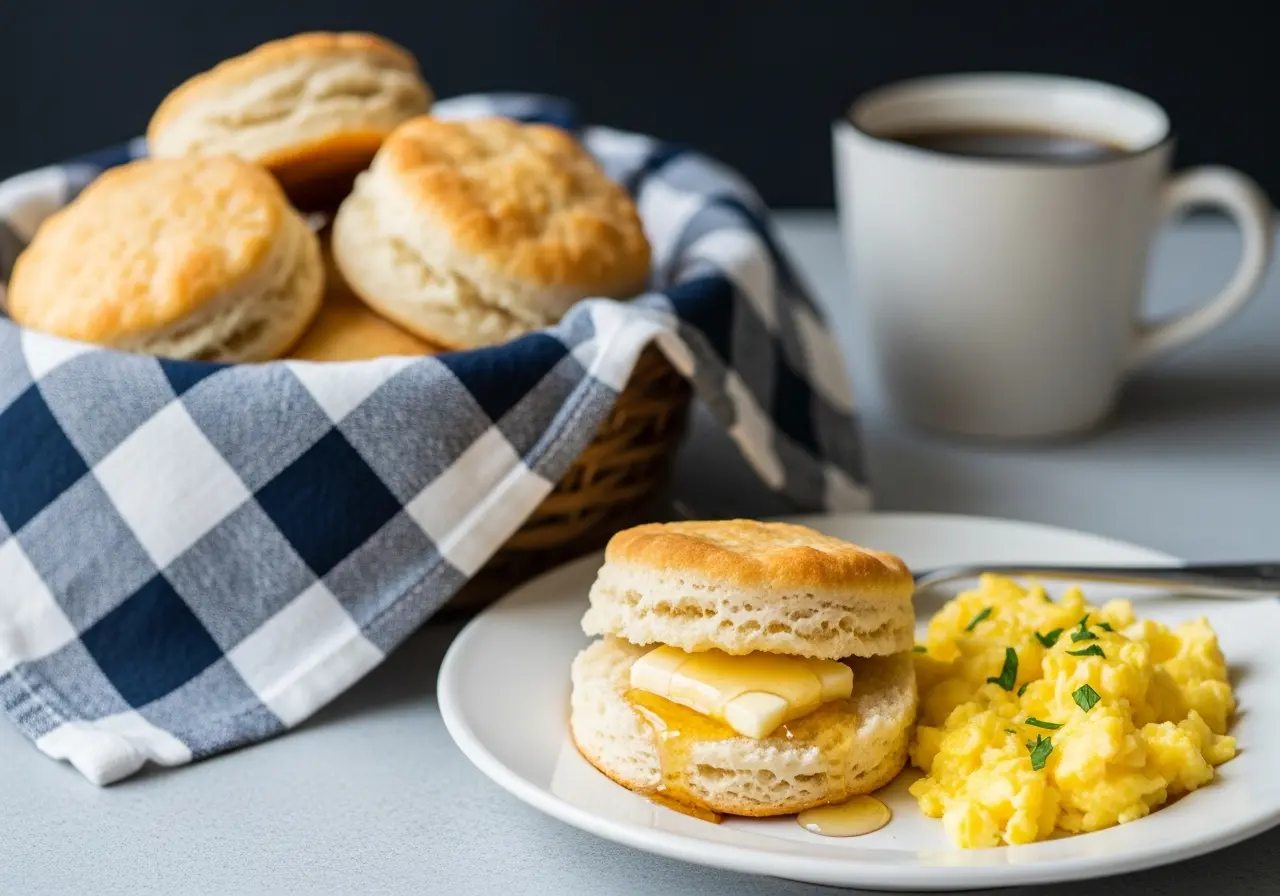
These fluffy buttermilk biscuits shine when served warm with a pat of butter or a drizzle of honey. pair them with creamy scrambled eggs, hearty stews, or a fresh fruit preserve for a comforting breakfast or brunch.Garnish with freshly chopped chives or herbs for a savory twist, or accompany with whipped ricotta and sliced seasonal berries for a visually stunning plate.
| Nutrient | Per Biscuit |
|---|---|
| Calories | 180 kcal |
| Protein | 4 g |
| Carbohydrates | 24 g |
| Fat | 7 g |
For more inspiration on Southern baking techniques, check out our southern Cornbread Maestro article. To dive deeper into the science of baking powders and acidity interactions, visit Serious Eats, a trusted culinary resource.
Q&A
Q&A: Fluffy Buttermilk Biscuits – secrets to Perfect Softness
Q1: What makes buttermilk biscuits fluffier than regular biscuits?
A1: Buttermilk brings a subtle tang and reacts with baking soda or powder to create bubbles of carbon dioxide, which help the biscuits rise beautifully. Its acidity tenderizes the gluten in the flour, resulting in a softer, more delicate crumb.
Q2: How vital is the temperature of the ingredients when making fluffy buttermilk biscuits?
A2: Extremely critically important! Cold butter or shortening is key-the cold fat melts during baking, creating pockets that puff up the dough. Similarly, cold buttermilk helps keep that fat solid until the oven does its magic, ensuring maximum flakiness and lift.
Q3: Can I overmix the biscuit dough? What effect does this have on softness?
A3: Yes, overmixing develops the gluten too much, making biscuits tough and dense instead of tender and fluffy. Mix just until the ingredients come together-slightly shaggy with bits of butter visible-to keep the texture light and soft.
Q4: What kind of flour is best for achieving that perfect fluffy texture?
A4: A soft or all-purpose flour works best. Soft flour has lower protein, which means less gluten formation and a more tender biscuit. Avoid bread flour since its higher protein content can make your biscuits chewier.
Q5: How do I handle the dough to maintain fluffiness when shaping biscuits?
A5: Handle the dough gently and avoid twisting when cutting your biscuits. Pressing an upside-down cutter straight down preserves the layers without sealing the edges, allowing them to rise evenly with soft, flaky sides.
Q6: Is resting the dough before baking necessary?
A6: While not mandatory,letting the dough rest in the refrigerator for 15-30 minutes can help hydrate the flour fully and chill the butter again,contributing to a lighter,flakier biscuit.
Q7: What’s the secret to a golden, perfectly textured biscuit top?
A7: Brushing the tops with melted butter or cream before baking aids in browning while adding a tender, slightly crispy crust. Baking at a high temperature-around 425°F (220°C)-ensures quick rising and a beautifully golden finish.
Q8: Can I freeze biscuit dough and still expect fluffy results?
A8: Absolutely! Freeze the shaped, unbaked biscuits by placing them on a baking sheet until solid, then transfer to a bag. When ready, bake from frozen with just a few extra minutes to keep them fresh and fluffy.
Q9: How do flaky layers form in buttermilk biscuits?
A9: The magic lies in the pockets of cold butter layered throughout the dough. During baking, the butter melts and steams, separating dough layers and creating those irresistible flaky, airy layers.
Q10: any tips for elevating the flavor without compromising softness?
A10: Gentle additions like a pinch of garlic powder, fresh herbs (think chives or thyme), or a touch of honey in the butter brush can add depth without changing the tender texture.Just be careful not to overdo it-simplicity highlights softness best.
Closing Remarks
As you tuck into these fluffy buttermilk biscuits,remember that the secret to their tender perfection lies not just in the ingredients,but in the gentle care you give each step-from mixing to baking. With every buttery, cloud-like bite, you’re savoring a tradition of simplicity elevated to softness, a texture that invites warmth and comfort. So next time you crave that golden, melt-in-your-mouth bite, trust these time-honored tips to transform humble pantry staples into biscuits that are nothing short of magical. Happy baking, and may your kitchen always be filled with the irresistible aroma of perfectly soft buttermilk biscuits.