
Few dishes capture the timeless allure of simplicity quite like classic hummus. Creamy, velvety, and rich with tradition, this beloved Middle Eastern staple has won hearts worldwide-not just for its flavor, but for the story it tells with every bite. Yet, mastering hummus from scratch goes beyond merely blending ingredients; it’s an art that balances texture, flavor, and technique to create a dip that’s silky-smooth and bursting with depth.
In this step-by-step guide, we’ll unravel the secrets to crafting authentic hummus at home, transforming humble chickpeas and tahini into a luscious masterpiece that’s as satisfying to make as it is indeed to savor. Whether you’re a kitchen novice or a seasoned cook, get ready to dive into the timeless craft of hummus-making and elevate your culinary repertoire with this classic recipe.
Selecting the Perfect Chickpeas for Creamy Hummus
Mastering classic hummus begins with choosing the right chickpeas-the heart and soul of this beloved dish. Whether you opt for dried or canned chickpeas, each brings unique qualities that influence the final texture and flavor. Dried chickpeas, when soaked overnight and simmered gently until tender, yield a superior creaminess that canned varieties often can’t match. Look for plump, uniform beans with no visible cracks or discoloration. The slow cooking process softens the skins and allows the chickpeas to break down more completely, creating the silky base essential for indulgently smooth hummus.
Unlocking the Secrets of Tahini Quality and Flavor
The tahini you choose is pivotal to the hummus flavor profile. High-quality tahini should be freshly ground, with a rich, nutty aroma and a silky texture that melts effortlessly into the chickpea blend. Avoid brands with overly bitter or stale undertones, which can overpower the delicate balance. If possible, opt for tahini made from lightly toasted sesame seeds-these provide a deeper, more complex taste. Stir the jar well before measuring, as natural oils often seperate, ensuring your hummus carries that luscious, creamy mouthfeel.
Perfecting the Balance of Garlic, Lemon, and Salt
garlic, lemon juice, and salt form the triumvirate that elevates classic hummus from good to unforgettable. Fresh garlic cloves deliver brightness and a slight pungency but should be moderated to avoid harshness. Crushing garlic finely or using a microplane helps distribute flavor evenly without biting chunks. Freshly squeezed lemon juice adds zesty acidity that cuts through the richness, brightening every bite. salt is the silent enhancer-start conservatively and adjust gradually to taste. This trifecta should harmonize perfectly,teasing the palate without overpowering the creamy chickpeas and velvety tahini.
Achieving the ideal Texture with Customary Blending Techniques
Texture is the hallmark of masterful hummus. Traditional methods call for a mortar and pestle to lovingly mash the chickpeas and ingredients, coaxing out that unrivaled velvety consistency. When working with modern food processors, timing is key-pulse gently at first, then blend steadily, scraping down the sides to ensure even incorporation. Adding ice-cold water or reserved cooking liquid in slow increments encourages creaminess without watering down flavor. Aim for hummus that’s light and smooth,yet considerable enough to hold its shape when scooped.
Prep and Cook Time
- Readiness: 12 hours (including soaking time)
- Active Cooking: 1 hour
- Total time: Approximately 13 hours
Yield
Approximately 3 cups of creamy hummus, serves 6 generously
Difficulty Level
Medium – requires soaking, cooking, and balancing fresh ingredients
Ingredients
- 1 cup dried chickpeas (or 2 cups canned chickpeas, drained and rinsed)
- ⅓ cup high-quality tahini, well stirred
- 3 tablespoons freshly squeezed lemon juice
- 2 cloves fresh garlic, finely minced or grated
- ½ teaspoon fine sea salt, adjust to taste
- ¼ – ½ cup ice-cold water, reserved from cooking or chilled tap water
- 2 tablespoons extra virgin olive oil, plus extra for serving
Instructions
- Soak the chickpeas: Rinse and soak dried chickpeas overnight (8-12 hours) in plenty of cold water, allowing them to swell.
- Cook the chickpeas: Drain soaked chickpeas, place in a large pot, cover with fresh water, and simmer gently for about 60 minutes until very tender. Skim foam as needed. Reserve some cooking water before draining.
- Prepare ingredients: While chickpeas cook, finely mince or grate garlic, and squeeze fresh lemon juice. Stir tahini thoroughly in its jar.
- blend the base: Add chickpeas, tahini, lemon juice, garlic, and salt to a food processor. Pulse a few times to combine.
- Achieve creamy texture: With the processor running, slowly add ice-cold water (start with ¼ cup), blending until smooth. Scrape down the sides frequently. add more water if needed to reach a luscious,velvety consistency.
- Adjust seasoning: Taste and adjust lemon, garlic, and salt for perfect balance.
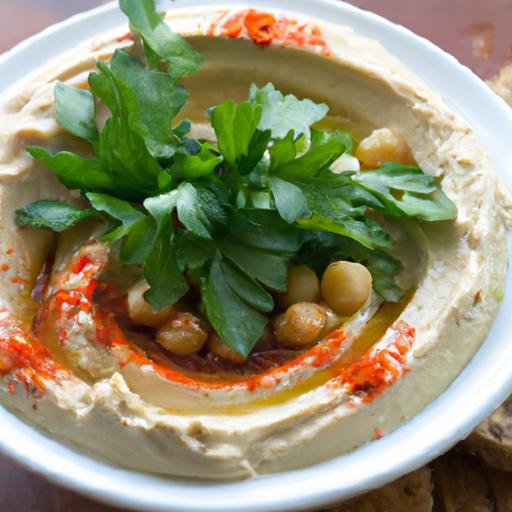
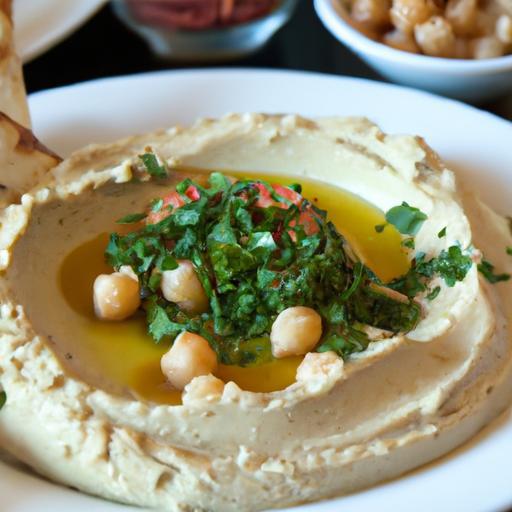
- Serve: Transfer to a shallow bowl, drizzle with olive oil, and garnish with paprika, fresh parsley, or toasted pine nuts for a stunning presentation.
Tips for Success
- Opt for dried chickpeas when possible-it’s worth the extra time for unbeatable creaminess. if using canned, rinse thoroughly to remove excess sodium and canned flavor.
- Peeling chickpeas (removing skins) before blending is optional but yields silkier hummus; pinch each bean gently to slip off skins.
- Use ice-cold water to emulsify ingredients gradually, giving your hummus that light, airy texture without thinning it out.
- To tame garlic sharpness, roast cloves for a sweeter, mellow flavor option.
- Make ahead: Hummus flavors deepen after resting overnight in the fridge-cover tightly to prevent drying.
- For fluffier results, try adding a pinch of baking soda to chickpeas during soaking to soften skins faster.
Serving Suggestions
Serve hummus chilled or at room temperature alongside warm pita wedges, crisp vegetables like cucumber and heirloom carrots, or dolloped atop vibrant grain bowls. For a splash of color and added texture, garnish with extra virgin olive oil, a sprinkle of smoked paprika or sumac, and fresh chopped parsley or mint.Toasted pine nuts or a few whole cooked chickpeas lend a delightful crunch. A drizzle of pomegranate molasses or a spoonful of za’atar spice adds an exciting regional flair for entertaining.
| Nutrient | Per ½ cup Serving |
|---|---|
| Calories | 170 kcal |
| Protein | 6 g |
| Carbohydrates | 14 g |
| Fat | 9 g |

For further inspiration on Middle Eastern flavors and dishes that complement your freshly made hummus, explore our Middle Eastern recipes collection. To deepen your understanding of tahini’s origins and quality, the Serious Eats guide to tahini is an excellent resource.
Q&A
Q&A: Mastering Classic Hummus: A Step-by-Step Guide from Scratch
Q1: What makes classic hummus truly authentic and different from store-bought versions?
Authentic classic hummus shines through its simplicity and freshness.Unlike many store-bought varieties that can be overly processed or laden with preservatives, homemade hummus boasts a creamy texture derived from perfectly cooked chickpeas, fresh tahini, and just the right balance of lemon juice and garlic. The magic lies in patience-soaking chickpeas overnight,cooking them until tender,and blending them slowly to achieve that silky smooth finish.
Q2: Can I substitute canned chickpeas for dried ones in this recipe?
While canned chickpeas are a convenient shortcut, classic hummus owes much of its charm to chickpeas cooked from scratch. Dried chickpeas, after proper soaking and cooking, yield a creamier, fuller flavor and a better texture than canned. They also allow you to control the salt content and tenderness. However, if you’re pressed for time, rinsed canned chickpeas can still produce a tasty result with a little tweaking.
Q3: What role does tahini play in classic hummus, and how do I choose a good tahini?
Tahini is the nutty, creamy cornerstone of classic hummus. Made from ground sesame seeds, it adds depth and richness, transforming chickpeas from a simple legume into a luscious dip. When choosing tahini, look for one that is smooth and not overly oily or bitter. Fresh tahini tends to be lighter in color and creamier, which helps create a more balanced hummus.
Q4: How do I achieve the perfect creamy texture without adding too much olive oil?
The secret to creamy hummus is patience and the right technique: peeling the chickpeas to remove their skins, which softens the texture; blending the chickpeas with tahini, lemon juice, and garlic slowly; and incorporating cold water or reserved cooking liquid gradually. This creates a light, airy mousse-like consistency without relying solely on olive oil. Drizzle olive oil as a finishing touch, rather than a blender ingredient, to preserve the texture.
Q5: What are some tips for balancing the flavors in classic hummus?
Striking the perfect harmony of flavors is key. Start with freshly squeezed lemon juice to brighten the earthiness of the chickpeas and add a pinch of kosher salt to enhance their natural taste. Fresh garlic provides a subtle pungency but be cautious-too much can overpower the blend. Taste as you go, balancing acidity with creaminess. A sprinkle of ground cumin is optional but traditional,lending a warm,aromatic note.
Q6: how should I store homemade hummus, and how long does it last?
Homemade hummus keeps best in an airtight container in the refrigerator, usually lasting up to 4-5 days. To maintain freshness, smooth the top and drizzle a thin layer of olive oil before sealing-it helps lock in moisture and prevent oxidation. If the hummus thickens, simply stir in a splash of cold water or lemon juice to revive its luscious texture.
Q7: What creative yet classic garnishes complement traditional hummus?
Classic garnishes elevate both flavor and presentation. A dusting of smoked paprika or sumac, some chopped fresh parsley, and a few whole chickpeas scattered on top add texture and bursts of color. A swirl of good-quality olive oil imparts richness. For an added crunch, toasted pine nuts or sesame seeds make a delightful finish while honoring the Mediterranean roots of this beloved dip.
Q8: Can I make hummus without tahini?
While tahini is essential in classic hummus for its unique flavor and creaminess, you can try a tahini-free version if needed, but it won’t carry the same depth. Some cooks blend in plain yogurt or roasted nuts for creaminess, but remember, these variations depart from traditional hummus. For the purest classic taste,embrace tahini as your trusty key ingredient.
Q9: What kitchen tools are best for making hummus from scratch?
Investing in a good food processor or a high-powered blender makes blending chickpeas into a smooth, creamy hummus much easier. A mortar and pestle can work for small batches but requires elbow grease and patience. A sturdy sieve or slotted spoon helps when scooping chickpeas out of their cooking water, and a citrus juicer ensures luminous, fresh lemon juice.
Q10: How can I customize classic hummus while keeping its traditional soul?
Classic hummus is a blank canvas with a strong traditional backbone. Once you master the base, subtle tweaks can add personal flair: try infusing the garlic with herbs before blending, adding a pinch of smoked paprika for warmth, or incorporating a splash of rich roasted red pepper puree. Just remember to keep the foundation rooted in quality chickpeas, tahini, lemon, and garlic to honor the essence of the classic recipe.
Final Thoughts
Embarking on the journey to master classic hummus from scratch is more than just following a recipe-it’s an invitation to connect with centuries of culinary tradition, one creamy spoonful at a time. With each step, from soaking the chickpeas to whisking in tahini and seasoning to perfection, you’re not just creating a dip-you’re crafting a canvas for flavor, texture, and unforgettable moments. So, armed with this guide, your kitchen becomes a haven of simplicity and satisfaction, where humble ingredients transform into golden, velvety hummus that’s truly your own.Now, take that first scoop, savor the harmony of tastes, and relish the effortless magic of mastering this timeless classic.