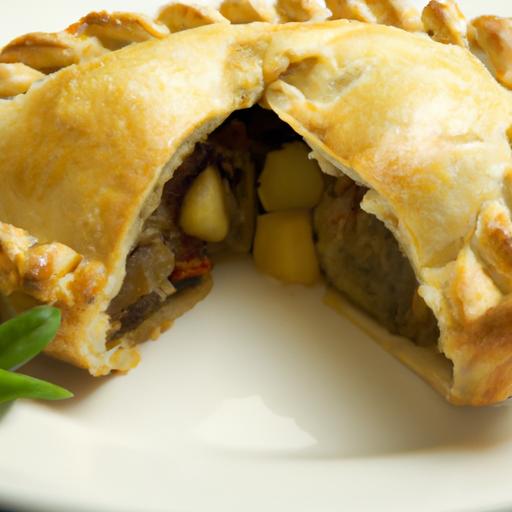
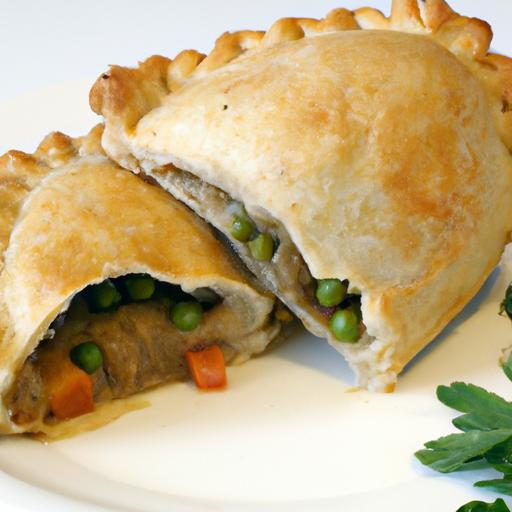

There’s a certain magic in the humble Cornish pasty-a golden, flaky packet that carries within it the hearty warmth of tradition and the soulful flavors of the English countryside. Among its many beloved variations, the classic beef and root vegetable pasty stands out as a timeless tribute to comfort and craftsmanship.
This iconic pastry, born from the rugged mining communities of Cornwall, weaves together tender chunks of savory beef, earthy carrots, and sweet swedes, all encased in a buttery crust that’s been carefully folded and crimped by hand. In this article, we journey back to the roots of this culinary gem, exploring the history, ingredients, and techniques that have made the beef and root veg Cornish pasty a cherished symbol of heritage-one tasty bite at a time.
Savoring Tradition: Classic Beef & Root Veg Cornish Pasties
Savoring tradition through the rich, hearty flavors of a Classic beef & Root Veg Cornish Pasty offers a culinary journey that connects you to Cornish heritage and timeless comfort food. This iconic British dish shines brightest when ingredients are carefully sourced and star-quality techniques are applied, resulting in a golden, flaky crust wrapped around a wholesome filling of tender beef and earthy root vegetables.
Prep and Cook time
- Readiness: 30 minutes
- Cooking: 50 minutes
- Total Time: 1 hour 20 minutes
Yield
4 hearty pasties (servings)
Difficulty Level
Medium – Ideal for confident home cooks seeking a rewarding baking experience
Ingredients
- For the Pastry:
- 3 cups all-purpose flour, sifted
- 1 tsp salt
- 12 tbsp cold unsalted butter, cubed
- 6-8 tbsp cold water
- For the Filling:
- 1 lb (450g) beef skirt or chuck, trimmed and diced into ½ inch cubes
- 1 medium rutabaga (swede), peeled and diced
- 2 medium potatoes, peeled and diced
- 1 large carrot, peeled and diced
- 1 medium onion, finely chopped
- 1 tsp salt
- ½ tsp black pepper
- 1 tbsp vegetable oil
- 1 cup beef broth, low sodium
- 1 large egg, beaten (for egg wash)
Instructions
- Prepare the Pastry: in a large bowl, combine the flour and salt.Using your fingertips, rub in the cold butter until the mixture resembles coarse breadcrumbs. Slowly add cold water, tablespoon by tablespoon, mixing gently until the dough just comes together. Form into a disk, wrap in cling film, and chill for at least 30 minutes.
- Craft the Filling: Heat the vegetable oil over medium heat in a skillet. Add the diced beef and sauté until browned on all sides, about 5 minutes. Remove and set aside.
- Add the chopped onion to the pan and cook until translucent, roughly 3 minutes. Combine the diced rutabaga, potato, and carrot, then toss them into the pan, stirring frequently to mix flavors, about 5 minutes.
- Return the beef to the pan, season with salt and pepper, then pour in the beef broth. Reduce the heat, cover, and simmer for 15 minutes or until vegetables are tender but not mushy. remove from heat and let cool completely.
- Roll and Shape: Preheat your oven to 400°F (200°C). On a lightly floured surface, roll the chilled pastry dough into 4 equal circles, approximately 8 inches in diameter.
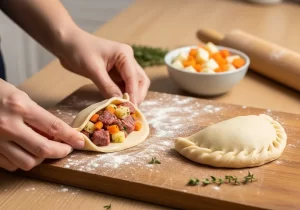
- Place a generous amount of the cooled filling on one half of each circle, leaving a 1-inch border. Brush the edges with a little water, fold the pastry over the filling, and crimp the edges firmly to seal your pasty.
- Achieving the Perfect crust: Transfer the pasties to a parchment-lined baking sheet. Brush generously with beaten egg to ensure a deep golden finish. For an extra glossy crust, apply a second egg wash after 20 minutes of baking.
- Bake: Bake in the preheated oven for 45-50 minutes until the pastry is crisp, golden, and the filling steams through. Check periodically to avoid overbrowning, covering loosely with foil if necessary.
- Allow the pasties to rest for 10 minutes before serving to let the juices redistribute and prevent burning.
Chef’s Notes: Elevate Your Classic Beef & Root Veg Cornish Pasties
- Ingredient Tip: Choose fresh, local root vegetables for maximum flavor depth and authentic texture. The slight sweetness of rutabaga balances the beef’s richness beautifully.
- Pastry Perfection: Keep your butter chilled and handle the dough minimally to avoid warming the fat, which ensures a flaky crust.
- Filling Consistency: Dice all filling ingredients evenly for uniform cooking. avoid overcooking the filling mixture before baking to preserve the perfect bite inside.
- Make Ahead: The pasties can be assembled and frozen before baking.Thaw in the fridge overnight and bake as directed, adding 5-10 extra minutes to the cooking time.
- Variations: For a twist,add fresh herbs like thyme or a pinch of smoked paprika to the filling.For a vegetarian version, substitute beef with diced mushrooms and lentils.
Serving Suggestions
Serve these Classic Beef & Root Veg Cornish Pasties warm, straight from the oven, alongside a crisp green salad or buttery steamed peas. A simple garnish of fresh parsley or a dollop of wholegrain mustard on the side enhances the hearty flavors. Enjoy them with a mug of robust English ale or a refreshing mint-infused iced tea for an authentic and satisfying experience.

Nutritional Details
| nutrient | Per Serving |
|---|---|
| calories | 520 kcal |
| Protein | 28 g |
| Carbohydrates | 45 g |
| fat | 22 g |
For additional inspiration on British baked goods, explore our Rustic British pastry Recipes. To learn more about the history and distinct qualities of Cornish pasties, visit the Cornwall Official Tourism Site.
Q&A
Q&A: Savoring Tradition: Classic Beef & Root Veg Cornish Pasties
Q1: What exactly is a Cornish pasty, and why is it considered a traditional British dish?
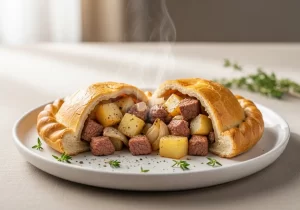
A1: A Cornish pasty is a hearty, hand-held pastry filled traditionally with beef, potatoes, swede (rutabaga), and onions, crimped on one side to form a distinctive D-shape. It originates from Cornwall, England, where it served as a convenient and nourishing meal for miners. Its design made it easy to hold without dirtying hands, and the thick crust acted as a protective “handle.” Today, it symbolizes British culinary heritage and regional pride.
Q2: What makes the classic beef and root vegetable combo so special in Cornish pasties?
A2: The combination brings together robust, earthy flavors and satisfying textures. Tender chunks of beef meld with sweet, slightly nutty swede, starchy potatoes, and aromatic onions-each element contributing a balance of taste and heartiness. This blend creates a comforting, rustic filling that honors Cornish tradition and celebrates simple, wholesome ingredients.
Q3: How do you achieve that perfect flaky, golden pastry crust crucial to an authentic Cornish pasty?
A3: The secret lies in using cold, high-quality butter or suet mixed with flour and just enough water to bind the dough-chilled thoroughly before rolling. Handling the dough lightly preserves pastry layers,which bake into a crisp,golden shell with just the right crunch. Brushing the pastry with a milk glaze before baking enhances the color and sheen, inviting you to savor each golden bite.
Q4: can you suggest root vegetable variations that complement beef without overpowering the traditional flavor?
A4: Certainly! While swede and potato form the core,adding peeled carrots or parsnips offers natural sweetness that harmonizes with beef’s savoriness. Some cooks incorporate a touch of celery root for an earthy depth. Keeping the cuts uniform ensures even cooking and a consistent texture. However, these should complement rather than dominate, preserving the pasty’s balance.
Q5: Is there a particular technique to sealing the pasty’s iconic crimp edge?
A5: Absolutely. The crimp not only seals in juices but also serves as an edible handle. To achieve it, fold the pastry over the filling, pressing edges firmly to remove air pockets. Then, using thumb and forefinger, pinch and fold the dough in overlapping pleats along the edge. This creates a robust seal and a beautiful, traditional finish that’s as functional as it is indeed decorative.
Q6: How can you tell when a Cornish pasty is perfectly cooked?
A6: Look for a golden-brown, evenly baked crust that’s crisp to the touch. The filling should be piping hot inside, with tender beef and soft but intact root vegetables. The aroma will be rich with roasted beef and caramelized onions, drawing you in before the first bite. A gentle squeeze should reveal a sturdy yet flaky pastry shell enclosing a steamy, savory treasure.
Q7: What makes Cornish pasties suitable for modern-day eating occasions?
A7: Their portable, self-contained nature makes them ideal for on-the-go meals, picnics, or comforting lunches. Beyond tradition, they can be enjoyed warm or at room temperature, satisfying hunger with balanced protein and vegetables wrapped in a filling pastry. Plus, they embody a connection to culinary history, making each bite a taste of cultural storytelling.
Q8: Are Cornish pasties suitable for freezing and reheating without losing their signature flavor and texture?
A8: Yes! Cornish pasties freeze remarkably well. For best results, freeze them uncooked, then bake from frozen, adding a few extra minutes. This method preserves the freshness of the filling and maintains a flaky crust. Alternatively,you can freeze cooked pasties and reheat gently in an oven to retain warmth and crispness,allowing you to enjoy tradition any day of the week.
Q9: what tips ensure that the filling stays juicy without making the pastry soggy?
A9: Selecting the right cut of beef, such as skirt or chuck steak, balances tenderness with a bit of fat for flavor without excess moisture. Cutting vegetables into uniform pieces prevents uneven water release. Avoid over-seasoning to reduce liquid, and cook the filling lightly before assembly if desired, though many recipes rely on slow baking to meld flavors. The thick pastry crust acts as a barrier, sealing in juices and keeping everything perfectly moist inside.
Q10: how can exploring traditional recipes like the Cornish pasty deepen one’s recognition of British culinary culture?
A10: Delving into recipes steeped in history offers a delicious entry point into the lives and livelihoods of those who fashioned them. The Cornish pasty tells tales of miners’ resilience, regional ingredients, and communal identity. Preparing and sharing such dishes connects us to centuries of tradition, fostering a greater respect for food as a vessel of heritage, hard work, and creative expression.
Future Outlook
As the aroma of warm, flaky pastry gives way to the hearty embrace of tender beef and earthy root vegetables, the Cornish pasty stands as a timeless testament to culinary heritage. More than just a meal,it’s a story wrapped in golden crust-a delicious bridge between past and present,labor and love. Whether enjoyed on a blustery day or shared at a festive gathering, these classic pasties invite us to savor tradition one bite at a time, reminding us that some flavors never go out of style. So next time you fold your own pasty, take a moment to appreciate the rich history and simple pleasures tucked inside each savory parcel.