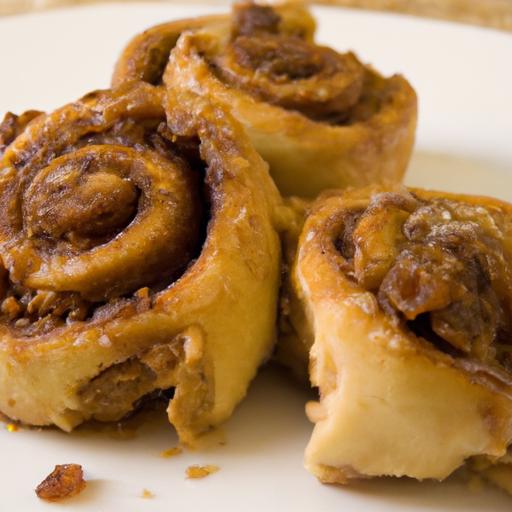
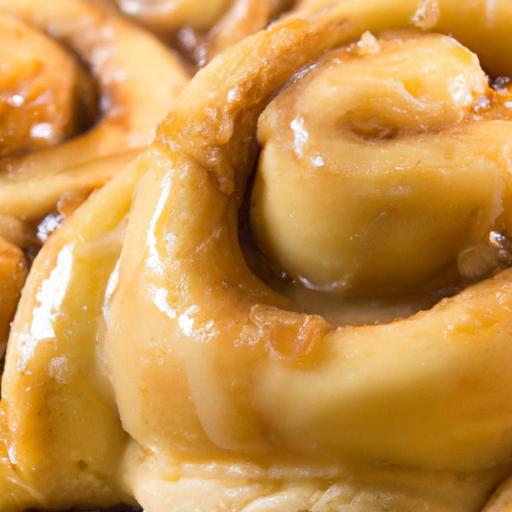

There’s something utterly enchanting about the first glimpse of a freshly baked caramel roll-the rich, golden spirals glistening under a glossy coat of molten caramel, promising a symphony of flavors with every bite. Sweet Swirls: The Art and Delight of Caramel Rolls invites you on a journey into the world of this beloved pastry, where craftsmanship meets indulgence. From the delicate balance of dough and caramel to the history and cultural nuances behind each swirl, this article explores how caramel rolls have risen beyond mere dessert to become a symbol of warmth, comfort, and culinary artistry.
Whether you’re a seasoned baker or a curious foodie, prepare to discover the magic that makes caramel rolls a timeless treat treasured around the globe. Sweet Swirls: The Art and Delight of Caramel Rolls invites you on a journey through time and taste, exploring a beloved pastry that has enchanted breakfast tables and coffee breaks worldwide. These luscious rolls, layered with tender dough and decadent caramel, trace their origins to the rich baking traditions of Northern Europe and North America, where immigrant bakers combined local ingredients and techniques to craft an irresistible sweet treat.
Prep and Cook time
- preparation: 45 minutes (including dough rising)
- Cook Time: 25-30 minutes
- Total Time: Approximately 1 hour 15 minutes
Yield
Serves 8 generous portions, ideal for sharing with friends and family.
Difficulty Level
Medium: Perfect for passionate home bakers looking to refine their dough and caramel skills.
Ingredients
- For the Dough:
- 3 ½ cups all-purpose flour, sifted
- ¾ cup whole milk, warmed (about 110°F)
- 2 ¼ teaspoons active dry yeast (1 packet)
- ⅓ cup granulated sugar
- ¼ cup unsalted butter, melted
- 1 large egg, at room temperature
- 1 teaspoon kosher salt
- For the Filling:
- ½ cup light brown sugar, firmly packed
- ½ cup unsalted butter, softened
- 2 teaspoons ground cinnamon
- For the Caramel Glaze:
- 1 cup light brown sugar, packed
- ½ cup unsalted butter
- ¼ cup heavy cream
- 1 teaspoon pure vanilla extract
- A pinch of fine sea salt
Instructions
- Activate the yeast: In a small bowl, combine the warm milk and yeast. Let sit for 5-7 minutes until foamy, indicating the yeast is active.
- Make the dough: In a large mixing bowl, whisk together flour, sugar, and salt. Add softened butter, the egg, and the activated yeast mixture. Stir with a wooden spoon until the dough begins to form.
- Knead the dough: Turn the dough onto a floured surface and knead for 8-10 minutes until smooth and elastic. Alternatively, use a stand mixer fitted with a dough hook on medium speed for about 6 minutes.
- First rise: place the dough in a lightly greased bowl, cover with a clean cloth, and let it rise in a warm area for 1 hour or until doubled in size.
- Prepare the filling: Mix brown sugar, softened butter, and cinnamon in a small bowl until creamy and well combined. Set aside.
- Roll out the dough: Once risen, punch down the dough gently and roll it on a floured surface into a 16×12-inch rectangle.
- Spread the filling: Evenly spread the cinnamon-butter mixture over the rolled dough, leaving a small border along the edges.
- Form the rolls: Starting from the long side, tightly roll the dough into a log, pinching the seam to seal. Cut into 8 equal slices using a sharp knife or dental floss for clean cuts.
- Second rise: Arrange rolls in a greased 9×13-inch baking dish, cover loosely, and let them rise for 30 minutes until puffy.
- Bake: Preheat the oven to 350°F (175°C). Bake rolls for 25-30 minutes until golden brown and cooked through. For extra gooeyness, tent with foil halfway through baking if they brown too quickly.
- Make the caramel glaze: While rolls bake, melt butter and brown sugar in a saucepan over medium heat, stirring constantly. Bring to a gentle boil and cook for 3 minutes, then remove from heat and stir in cream, vanilla, and sea salt. Let cool slightly to thicken.
- Glaze and serve: Remove rolls from oven and drizzle generously with warm caramel glaze. Serve instantly for a melty, sticky experience.
Chef’s Notes & Tips for Success
- For ultra-fluffy rolls, avoid adding too much flour while kneading; the dough should be slightly tacky but still manageable.
- If you’re short on time, use a warm spot like an oven with just the light on for the dough to rise efficiently.
- Substitute half-and-half for heavy cream in the glaze for a lighter caramel sauce.
- Storage: Store cooled rolls in an airtight container for up to 2 days. Reheat gently in the microwave or oven with a damp towel to restore softness.
- To make ahead, prepare the rolls up to the second rise, cover tightly, and refrigerate overnight. Bring to room temperature and bake the next day.
Serving Suggestions to Elevate Your Caramel Roll Experience
Serve these sweet swirls warm, paired with a steaming cup of freshly brewed coffee or robust black tea-a combination that amplifies the roll’s buttery sweetness and the caramel’s deep notes. Garnish with a sprinkling of toasted pecans or a light dusting of flaky sea salt to contrast the caramel’s richness. For a festive brunch, add fresh berries or a dollop of lightly whipped cream infused with a hint of vanilla. These rolls make an unforgettable centerpiece when shared with loved ones.
| Nutrient | Per Serving |
|---|---|
| Calories | 420 kcal |
| Protein | 6 g |
| Carbohydrates | 58 g |
| Fat | 18 g |

Discover more delectable recipes and baking secrets on our Best Cinnamon Rolls Guide for additional inspiration. Dive deeper into the science of yeast and dough on King Arthur Baking’s Yeast Guide.
Q&A
Q&A: Sweet Swirls – The Art and Delight of Caramel Rolls
Q1: What makes a caramel roll different from other sweet rolls?
A1: Caramel rolls stand out as of their luscious, glossy caramel glaze that seeps into every tender swirl. Unlike conventional cinnamon or sticky buns that rely mostly on sugary syrup or cream cheese frosting, caramel rolls boast a rich, buttery caramel coating created by melting sugar with butter and cream, offering a complex sweetness and a satisfyingly gooey texture.
Q2: How did caramel rolls originate?
A2: While sweet rolled pastries are found across many cultures, caramel rolls are a beloved evolution of the classic sticky bun. Their roots trace back to European baking traditions where dough was combined with sweet fillings and sticky glazes. Over time, bakers perfected the art of caramelizing sugar to create that signature golden glaze, turning humble rolls into decadent treats that delight the senses.
Q3: What is the secret to achieving that perfect gooey caramel texture?
A3: The magic lies in balancing temperature and timing. Caramel is made by gently melting sugar until it reaches a deep amber hue, then promptly mixing in butter and cream to create a velvety sauce. if the caramel is too hot, it can become hard once cooled; too cool, and it won’t spread evenly. Pouring it into the baking pan before laying down the rolled dough ensures the caramel bubbles up and clings to each swirl as it bakes, producing that irresistible stickiness.
Q4: Can I customize the filling inside a caramel roll?
A4: Absolutely! While classic caramel rolls feature cinnamon, brown sugar, and chopped nuts like pecans or walnuts, adventurous bakers can add variations such as chopped dates, dried cranberries, or even hints of citrus zest. The key is to complement-not overpower-the deep, buttery caramel flavor. Each added twist weaves into the sweet swirls, inviting new textures and bursts of flavor.
Q5: what type of dough is best for caramel rolls?
A5: A soft, enriched yeast dough is ideal. It should be tender and slightly airy, with enough elasticity to roll out thinly and hold the filling without tearing. Ingredients like eggs, milk, and butter not only enrich the dough but also contribute to a tender crumb that contrasts beautifully with the sticky caramel topping.
Q6: How should I serve and store caramel rolls to keep them fresh?
A6: Caramel rolls are best enjoyed warm-fresh from the oven or slightly reheated-so the caramel glaze remains gooey and inviting. Store them in an airtight container at room temperature for up to two days. for longer storage, refrigeration is fine, but warm them gently before serving to revive their soft, luscious texture.
Q7: Are there any tips for making caramel rolls less intimidating for beginner bakers?
A7: Definitely! Start by mastering the enriched yeast dough separately, and don’t rush the rising times. Use a reliable candy thermometer for the caramel to hit just the right temperature. Working on a lightly floured surface helps with rolling out thin layers without sticking. Remember, even if your first batch isn’t perfect, each swirl is a step closer to caramel roll mastery-and deliciousness awaits at every try!
Q8: Why do caramel rolls make such a beloved breakfast or dessert treat?
A8: Caramel rolls combine the warmth and comfort of freshly baked bread with the indulgence of rich caramel-a sensory hug in every bite. Their golden swirls invite not only hunger but curiosity, offering layers of flavor, texture, and aroma that transform ordinary mornings or dessert moments into celebrations of simple, artisanal sweetness.
In Summary
As the warm aroma of caramel lingers and the delicate swirls melt on your tongue, it becomes clear that caramel rolls are more than just a pastry-they are a celebration of craftsmanship and indulgence. from the careful folding of tender dough to the slow, bubbling cascade of golden caramel, each roll tells a story of patience, passion, and a pinch of sweetness.
Whether enjoyed fresh from the oven or savored with a cup of coffee, these sweet swirls invite us to pause, delight, and appreciate the art baked into every bite. caramel rolls are not just desserts-they are edible moments of joy that remind us how the simplest ingredients, when skillfully combined, can create timeless treats worth savoring again and again.