
There’s a certain magic in desserts that carry the whispers of generations past-a taste that transcends time and evokes warm memories of family kitchens and cozy Sunday afternoons. Among these treasured classics, old-fashioned rhubarb custard holds a special place, blending tangy rhubarb with silky, sweet custard in a harmony that delights the senses. This timeless treat, with its rustic charm and comforting flavors, is more than just a dessert; it’s a party of tradition, simplicity, and the enduring allure of home-baked goodness. In this article, we’ll explore the history, the unique appeal, and the irresistible qualities that make old-fashioned rhubarb custard a beloved favorite across the ages.
The History and Heritage Behind Rhubarb Custard
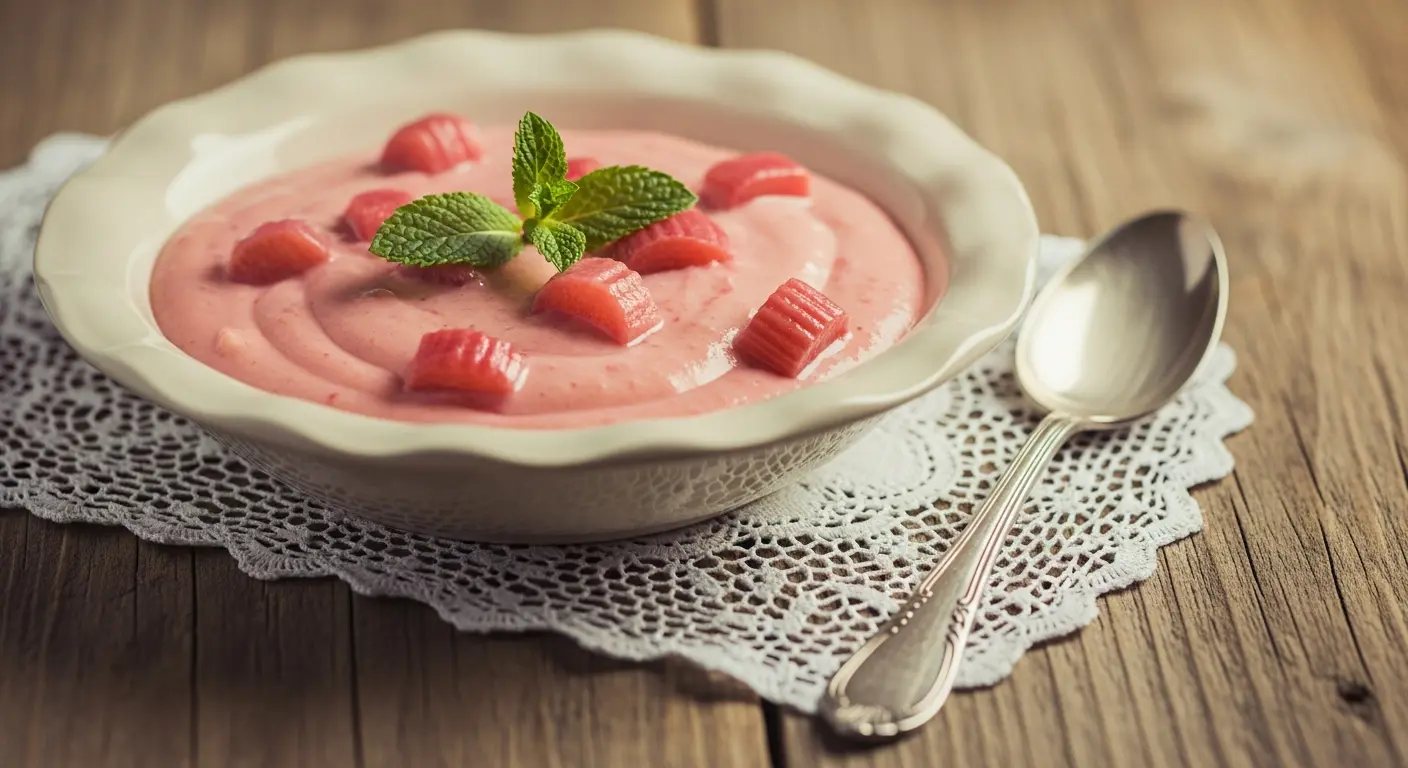
Timeless Delight: The Charm of Old-Fashioned Rhubarb Custard is more than just a dessert; it’s a storied tradition that dates back centuries. Rhubarb custard has roots in English and American kitchens where seasonal rhubarb was cherished for its tartness balanced by a luxuriously creamy custard.Passed down through generations, this classic treat evokes grandmother’s kitchens and warm family gatherings.Its vibrant crimson stalks paired with the pale custard create a visual contrast as striking as its unique flavor pairing, offering a nostalgic taste of simpler times.
Historically, rhubarb was prized not only for cooking but also for its medicinal qualities. When combined with a smooth, silky custard-often made using fresh eggs and cream-it became a staple of springtime celebrations. The old-fashioned methods used to prepare rhubarb custard emphasize the art of patience, precision, and care, resulting in a dessert that delights the senses.
The Perfect Balance of Tart and Sweet Flavors
Achieving the harmonious contrast between rhubarb’s natural tartness and the soothing sweetness of custard is the heart of this dessert. Rhubarb’s acidity awakens the palate, while the richness of the custard gently mellows it, creating a balanced flavor profile that feels indulgent yet refreshing. The key is controlling sweetness carefully; too much sugar overwhelms the rhubarb’s bright notes, while too little can leave the custard overly sour.
In this recipe, a carefully measured amount of granulated sugar and vanilla extract helps brighten and round out the flavors without masking the rhubarb’s intrinsic character. Stirring gently while cooking ensures the custard thickens without curdling, preserving its delicate mousse-like texture, which is crucial for that melt-in-the-mouth experience.
Choosing the Best Rhubarb for Your Custard
Selecting the right rhubarb makes a remarkable difference in flavor and texture. Look for stalks that are firm, with a vibrant deep red color as reds tend to be sweeter and less fibrous than greener varieties. Avoid any that are limp or overly woody, which will affect the custard’s smoothness. When shopping at farmers markets or grocery stores, fresh rhubarb in season (typically spring through early summer) ensures optimal tartness and juiciness.
Trim the rhubarb carefully, peeling only if the outer skin feels tough but be mindful not to discard too much flesh-its texture contributes essential moisture and natural pectin. Cutting stalks into evenly sized pieces promotes even cooking and prevents bitterness from overcooked bits.
Tips and Tricks for Achieving a Silky Smooth Texture
creating a flawless custard texture is both science and art. Use fresh, high-quality eggs and cream for richness and body. Whisk the egg yolks gently but thoroughly with sugar to dissolve granules, incorporating air for lightness without trapping too much. Temper the eggs by slowly adding warmed milk or cream to prevent scrambling. Stir continuously over low heat until the custard thickens just enough to coat the back of a spoon-about 170°F (77°C)-to ensure a silken finish.
Straining the custard before combining it with rhubarb removes any cooked egg bits, leaving a perfectly smooth custard base. Let the custard cool slightly, then gently fold in the softened rhubarb to preserve texture contrasts. Refrain from vigorous stirring or overbaking, both of which can toughen the custard. For serving, chilling the dish enhances flavor melding and creates a velvety mouthfeel that defines conventional rhubarb custard charm.
Prep and Cook Time
- Prep Time: 20 minutes
- Cook Time: 35 minutes
- Total Time: 55 minutes
Yield
Serves 6 generous portions
Difficulty Level
Medium – requires attentive cooking and gentle handling
Ingredients
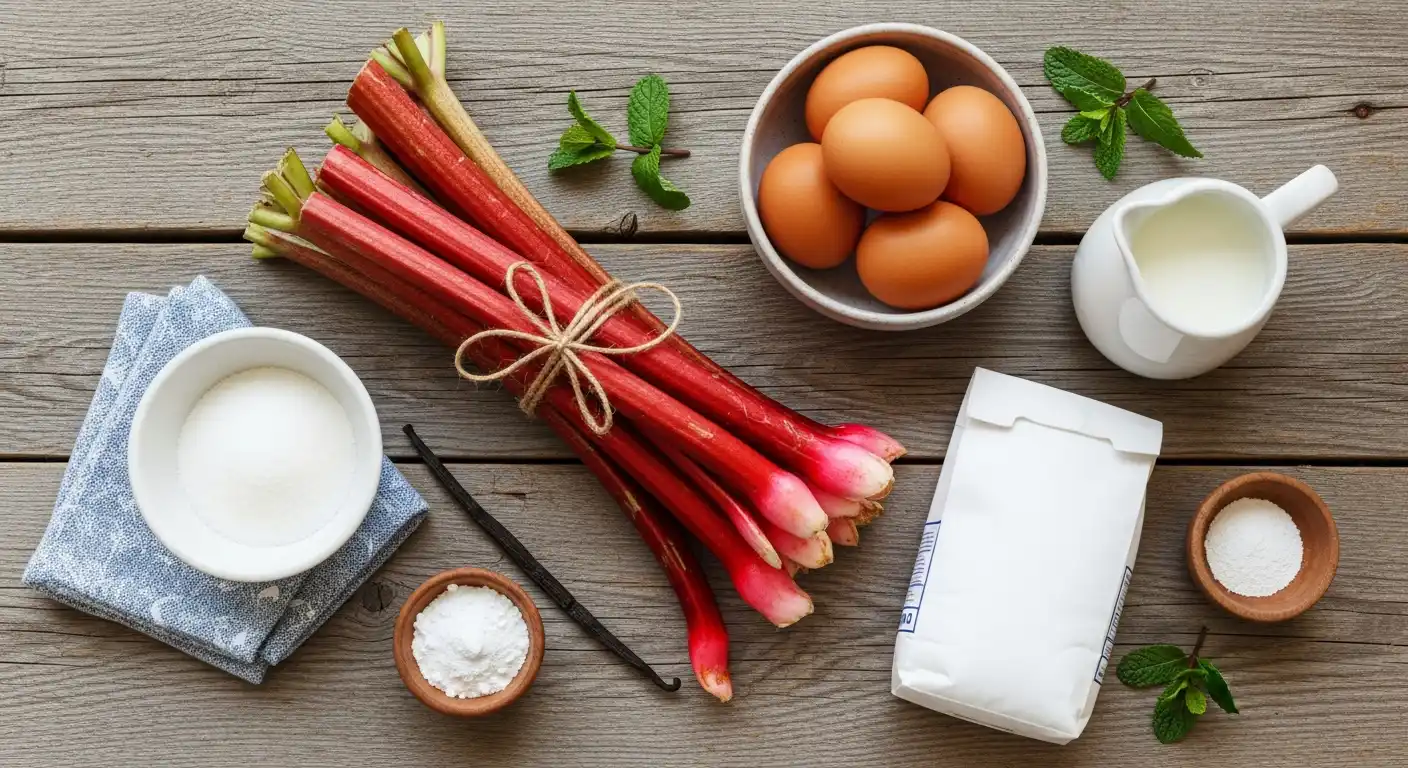
- 4 cups fresh rhubarb stalks, trimmed and chopped (about 1/2-inch pieces)
- 1/2 cup granulated sugar, divided
- 3 large egg yolks
- 2 cups whole milk
- 1/2 cup heavy cream
- 1 tablespoon cornstarch
- 1 teaspoon pure vanilla extract
- Pinch of salt
Instructions
- Prepare the rhubarb: Place chopped rhubarb and 1/4 cup of sugar in a saucepan. Cook over medium heat, stirring occasionally, until the rhubarb softens and starts to release juices, approximately 8-10 minutes. Remove from heat and let cool slightly.
- Whisk egg yolks and sugar: In a separate bowl, vigorously whisk the egg yolks with the remaining 1/4 cup sugar and cornstarch until smooth and pale. This ensures no lumps and a silky custard.
- Heat milk and cream: Combine milk and cream in a saucepan over medium heat. Bring just to a simmer-small bubbles forming around the edges-but do not boil.
- Temper the eggs: Slowly pour about 1 cup of the hot milk mixture into the egg yolk mixture, whisking constantly to raise the temperature gently.
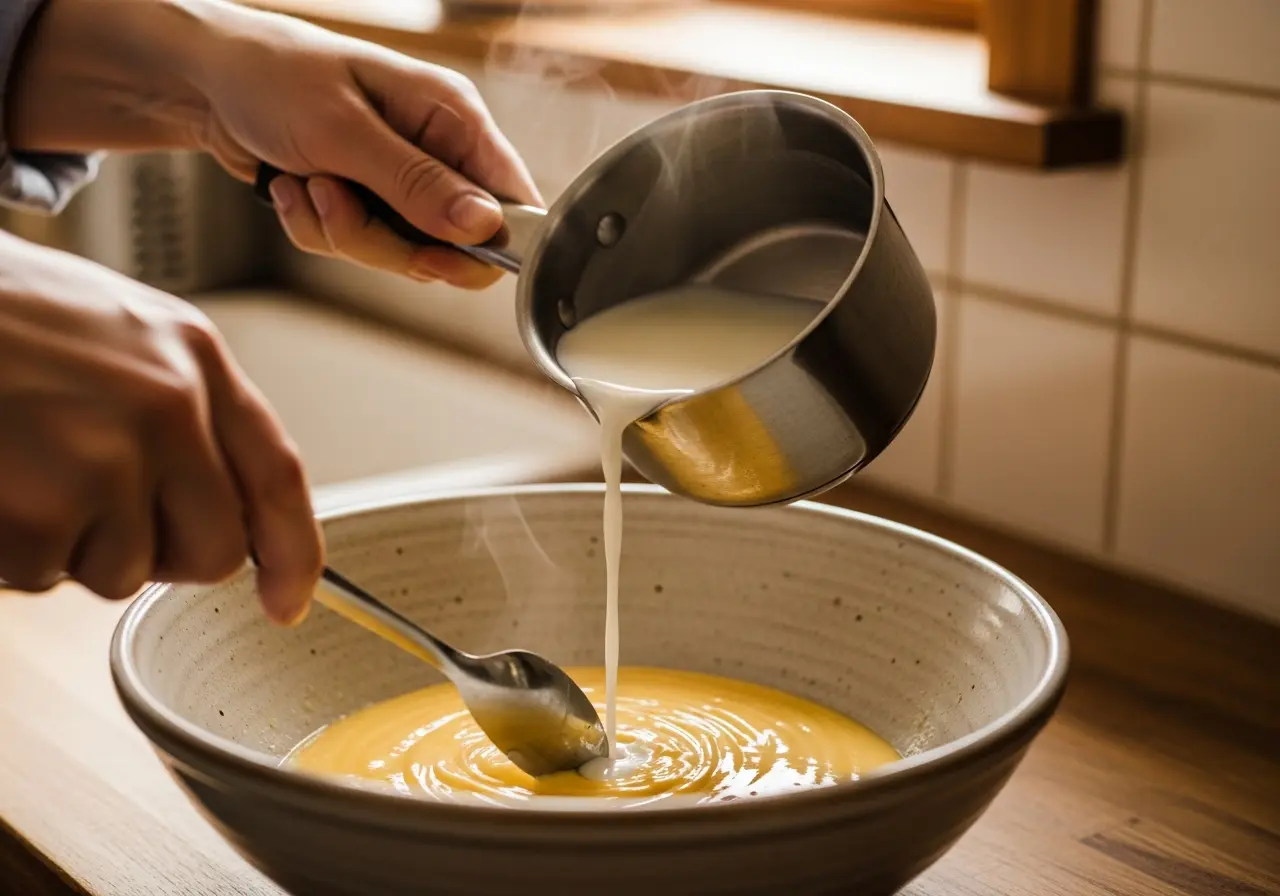
- Cook the custard: Return the tempered eggs to the saucepan with the remaining milk-cream mixture. Cook over low heat, stirring constantly with a wooden spoon or silicone spatula, until the custard thickens and coats the back of the spoon (about 5-7 minutes). Do not let it boil!
- Strain custard: Pour the custard through a fine sieve into a clean bowl to remove any cooked bits for optimal smoothness.
- Combine with rhubarb: Gently fold the cooled rhubarb into the custard until well incorporated.
- Chill: Pour the mixture into a serving dish or individual ramekins. Cover with plastic wrap and refrigerate for at least 2 hours to set and develop flavors.
Tips for Success
- Choice sweeteners: Feel free to substitute part of the sugar with honey or maple syrup for nuanced sweetness.
- Custard texture troubleshooting: If your custard curdles, promptly remove from heat and whisk vigorously while cooling; next time, reduce heat further during cooking.
- Make-ahead: This custard keeps well chilled for up to 2 days, making it perfect for preparing ahead of time.
- Extra tartness: For a stronger rhubarb presence, reduce sugar in the custard slightly or increase the rhubarb portion.
- Presentation tip: Add a small dollop of crème fraîche or a sprinkle of freshly grated nutmeg to elevate aroma and complexity.
Serving Suggestions
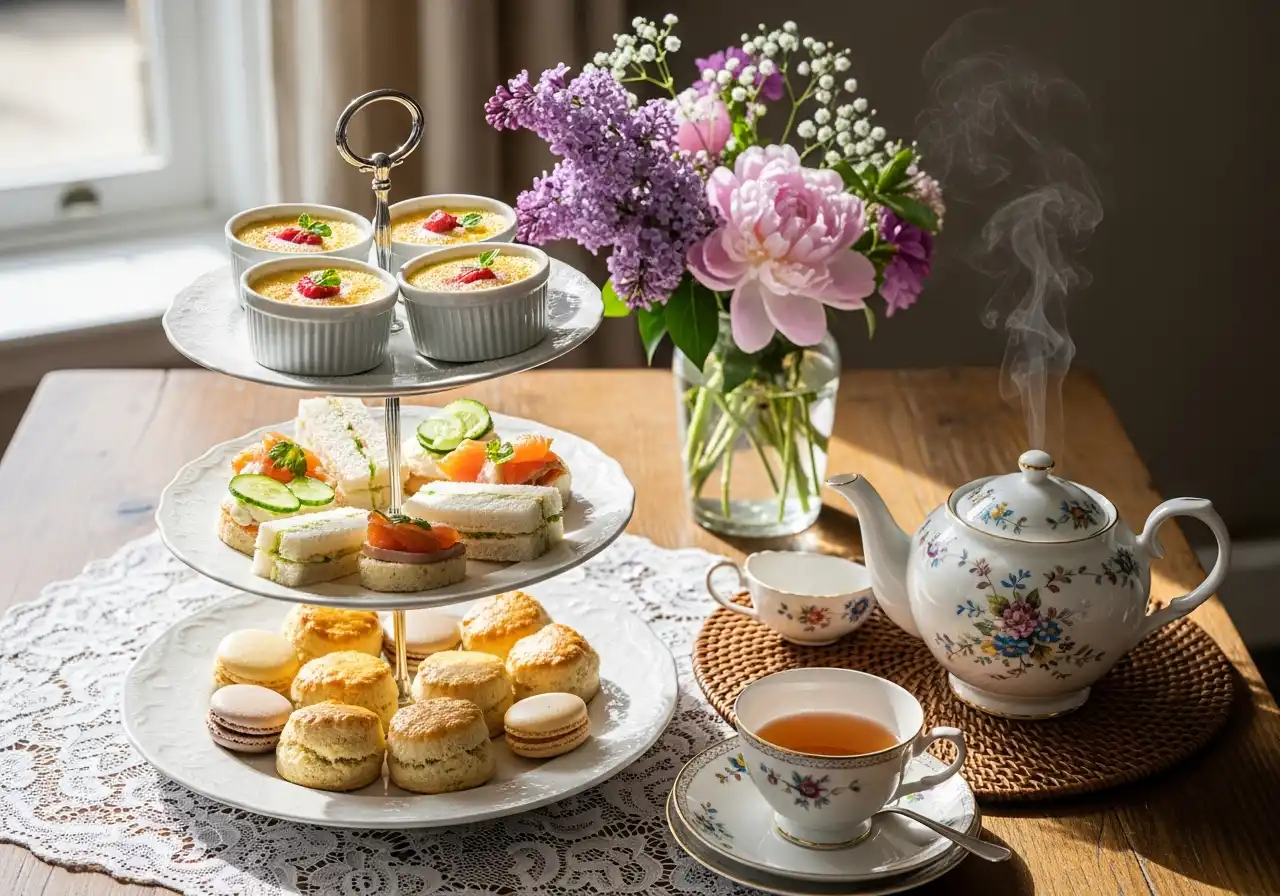
Present your rhubarb custard in delicate glass ramekins or a rustic ceramic dish to highlight its striking pink-hued custard. Garnish with fresh mint leaves or edible flowers for a burst of color and sophistication. Dust lightly with powdered sugar or cocoa powder to add an elegant finish. This dessert pairs beautifully with a crisp green apple salad or a simple shortbread cookie on the side to complement its creamy tartness.
For a refreshing spring or summer treat, serve chilled alongside a cup of herbal tea or freshly brewed coffee.
Nutritional Details
| Nutrient | Per Serving |
|---|---|
| Calories | 230 kcal |
| Protein | 5 g |
| Carbohydrates | 30 g |
| Fat | 9 g |
Discover more classic dessert inspirations in our collection of timeless treats. For additional culinary history and expert custard techniques, visit Cook’s Illustrated.
Q&A
Q&A: Timeless Delight – The Charm of Old-Fashioned Rhubarb Custard
Q1: What makes old-fashioned rhubarb custard such a timeless dessert?
A1: old-fashioned rhubarb custard captures the essence of simpler times, blending tart, vibrant rhubarb with a smooth, creamy custard. This combination creates a nostalgic experience that delights both the palate and the heart, reminding us of cozy kitchens and family gatherings. Its enduring appeal lies in the perfect balance of flavors and the comforting texture that transcends generations.
Q2: How does the tartness of rhubarb complement the richness of custard?
A2: Rhubarb’s natural tang provides a lively contrast to the silky sweetness of custard. The tartness cuts through the richness, preventing the dessert from feeling too heavy, while the custard tempers the sharp edges of the rhubarb, creating a harmonious, well-rounded flavor profile that’s both refreshing and indulgent.
Q3: What is the traditional way to prepare rhubarb for custard pies?
A3: Traditionally, rhubarb is chopped into small pieces and gently cooked with sugar to soften its fibrous texture and mellow its acidity slightly before being nestled into a flaky pastry crust and topped with velvety custard. This gentle preparation ensures that the rhubarb keeps just enough of its character without overpowering the custard’s delicate creaminess.
Q4: Can rhubarb custard be adapted for different dietary needs?
A4: Absolutely! While the classic recipe calls for dairy and eggs to create that luscious custard, modern twists can include plant-based milks like almond or oat milk combined with suitable egg alternatives. Sweeteners can be tailored as well, using honey, maple syrup, or natural sugar substitutes to suit individual preferences without losing the dish’s nostalgic charm.
Q5: Why is rhubarb custard considered especially comforting during certain seasons?
A5: Rhubarb is at its peak in spring and early summer, making rhubarb custard a herald of seasonal renewal. The dessert’s warm, creamy nature offers a soothing counterpoint to the crisp air of these seasons. Moreover, its fresh, tangy flavors evoke memories of garden abundance and wholesome home cooking-perfect for sharing around the table as daylight lingers.
Q6: Are there any tips for achieving the perfect custard texture in rhubarb pies?
A6: Achieving a smooth, silky custard hinges on gently baking the pie until the custard is just set but still slightly wobbly in the center. Overbaking can lead to curdling or dryness, so using a moderate oven temperature and checking the custard’s firmness frequently helps preserve its tender, melt-in-the-mouth quality that pairs beautifully with the tender rhubarb.
Q7: What makes the pastry crust essential in an old-fashioned rhubarb custard pie?
A7: The pastry crust provides a crisp, buttery base and a delicate frame that contrasts with the soft filling. Its slight flakiness adds texture and structural support, holding the juicy rhubarb and custard together. A well-made crust also absorbs some moisture from the filling, preventing sogginess and enhancing overall flavor.
Q8: How does rhubarb custard reflect cultural or ancient food traditions?
A8: Rhubarb custard desserts stem from times when seasonal, homegrown ingredients were treasured. Historically, rhubarb was frequently enough one of the first fresh vegetables available after winter, making it a staple in early spring cooking. Combining it with custard, a rich and humble preparation, illustrates how simple ingredients were elevated to celebratory treats, bridging everyday sustenance with special-occasion sweetness.
Q9: Can rhubarb custard be incorporated into other desserts beyond pie?
A9: Yes! Rhubarb custard can inspire many creative treats-think creamy trifles layered with cake and fruit, tartlets with individual servings of custard and rhubarb, or even custard-filled pastries with rhubarb compote. Its versatility allows the classic flavors to shine in various forms while maintaining that signature tart-and-creamy interplay.
Q10: what sensory experiences does one savor when enjoying old-fashioned rhubarb custard?
A10: With each bite, the tongue encounters a luscious blend of tartness and sweetness, the gentle coolness of the custard melting slowly as the rhubarb’s subtle tang invigorates the taste buds.The flaky crust adds a satisfying crunch, while the aroma of vanilla and baked rhubarb fills the air, conjuring warm memories and a profound sense of comfort that lingers long after the last crumb is gone.
In Summary
As we close the chapter on the sweet story of old-fashioned rhubarb custard, it’s clear that this humble dessert is much more than a nostalgic treat. Its tangy-sweet balance and creamy texture weave together generations of culinary tradition, inviting us to savor a piece of history with every bite. whether enjoyed on a quiet afternoon or shared at a lively family gathering, rhubarb custard stands as a timeless delight-proof that sometimes, the oldest recipes hold the freshest charm. So next time you crave a dessert that speaks of comfort, heritage, and simple pleasures, let the gentle allure of rhubarb custard guide your fork.