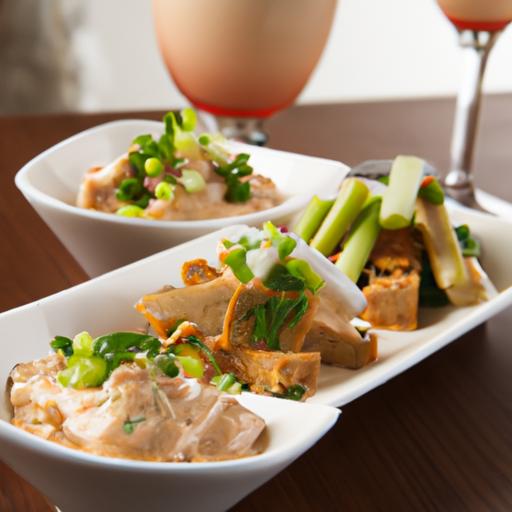
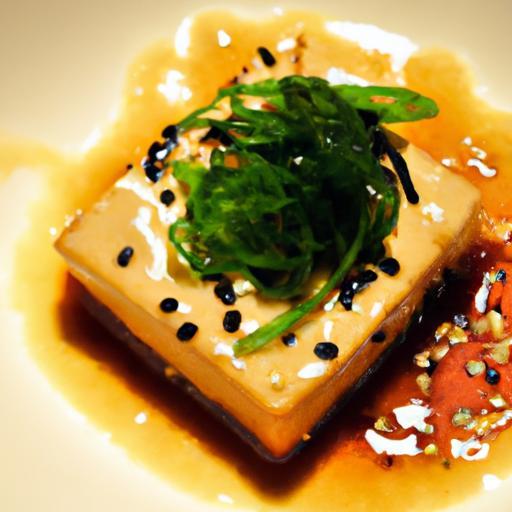

In the vibrant tapestry of Japanese cuisine,few dishes capture the delicate balance of texture and flavor quite like agedashi tofu. Imagine silky cubes of tofu, first gently enveloped in a whisper-thin crust, then bathed in a savory dashi broth that sings with umami notes. This timeless dish transforms simple ingredients into a symphony of warmth and crispness-a culinary dance where tradition meets subtle innovation. In this article, we delve into the art and flavor of golden crisps: the secret behind perfect agedashi tofu, exploring the techniques, cultural nuances, and sensory delights that make it a beloved classic on tables both in Japan and around the world.
Golden Crisps: The Art and Flavor of Japanese Agedashi Tofu celebrates the luxurious contrast of tender, silky tofu wrapped in a perfectly crisp exterior. This iconic dish invites home cooks on a journey to master the art of texture and balance, weaving tradition with innovative touches that awaken every bite.Originating in Japan’s Edo period, agedashi tofu has long been treasured for its delicate layering of flavors-the gentle umami of dashi broth, the subtle seasoning of soy sauce, and the satisfying crispness of lightly fried tofu.
Prep and Cook Time
- Preparation: 20 minutes
- Cooking: 15 minutes
- Total: 35 minutes
Yield
Serves 4 elegantly as an appetizer or light side
Difficulty Level
Medium – Requires some attention to tofu handling and precise frying
Ingredients
- 400g silken tofu, firm or medium-firm, well-drained
- ½ cup potato starch or cornstarch, for coating
- 1 cup dashi stock (preferably homemade or high-quality instant dashi granules)
- 3 tbsp soy sauce (use naturally brewed for depth)
- 2 tbsp mirin
- 1 tbsp sake (optional, but adds sweetness and complexity)
- 2 tbsp neutral vegetable oil or canola oil, for frying
- 2 green onions, finely sliced
- grated daikon radish, about ½ cup, well-drained
- Bonito flakes (katsuobushi), optional but traditional and flavorful
- Fresh grated ginger, to taste
- Shredded nori or toasted sesame seeds for garnish
Instructions
- Prepare the tofu carefully. Remove tofu from packaging, gently wrap in clean kitchen towels, and place a light weight on top to press out excess moisture for 15-20 minutes. This step is crucial to achieve the perfect crispy texture without sogginess.
- while tofu presses, make the dashi broth. In a small saucepan, combine dashi stock, soy sauce, mirin, and sake. Bring to a gentle simmer, then lower heat to keep warm. Let the flavors meld carefully without boiling over.
- Cut the tofu into uniform cubes. Aim for 1½-inch pieces for even frying.
- Lightly coat each tofu cube with potato starch. This thin layer forms the golden crisp crust. Shake off any excess starch to avoid clumping and uneven frying.
- Heat vegetable oil in a frying pan or deep pot over medium heat. The oil should be hot enough to sizzle a small piece of tofu instantly-around 350°F (175°C).
- Fry tofu cubes gently until golden and crisp on all sides, about 2-3 minutes per side. Turn carefully with a slotted spoon or tongs to maintain their shape and crispness. Remove and drain on paper towels to eliminate excess oil.
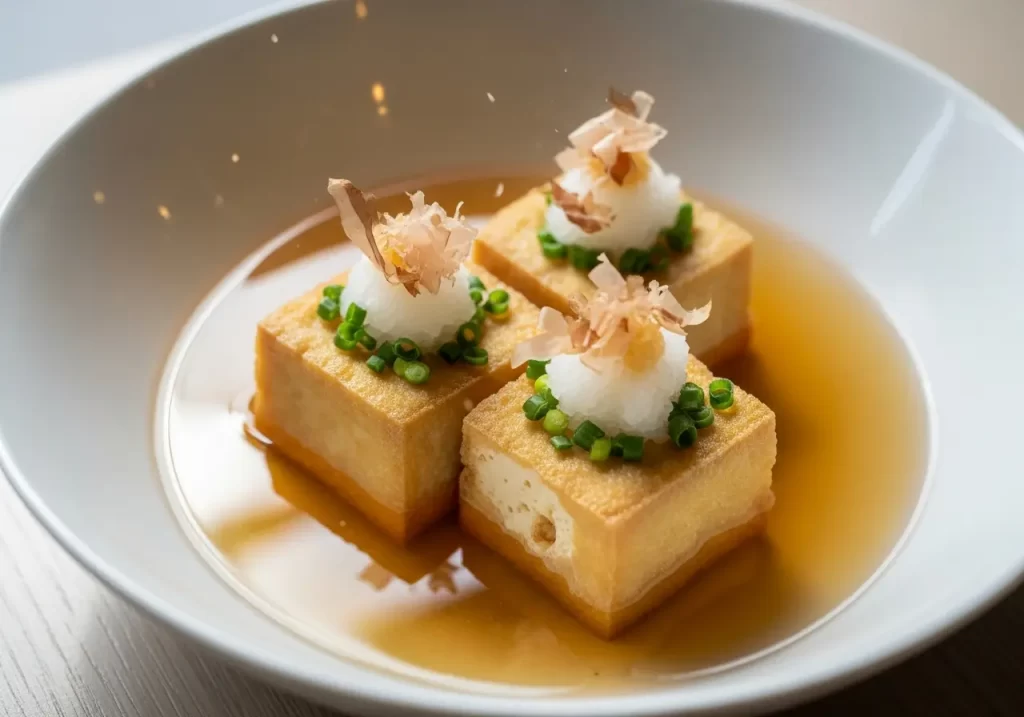
- Arrange the fried tofu in a shallow serving bowl, then ladle warm seasoned dashi broth over the top just before serving to keep the delicate crust intact.
- Garnish generously with grated daikon, sliced green onions, bonito flakes, and a small dollop of grated ginger for a shining fragrant finish. Sprinkle shredded nori or toasted sesame seeds for texture and visual appeal.
Tips for Success: Elevating Your Golden Crisps Experience
- Choose firm or medium-firm tofu for the ideal balance between creamy interior and crisp exterior. Silken tofu may break under pressure but can be used if handled with extreme care.
- Patience is key. Pressing tofu properly removes moisture that inhibits crisping, preventing the signature golden crust from forming.
- Maintain oil temperature. Too cool and the tofu will absorb oil and become greasy; too hot and it will burn before cooking through.
- Experiment with garnishes. try thinly sliced shiso leaves for an herbal brightness or freshly grated wasabi for a peppery zing.
- Make-ahead dashi broth. Store in the fridge and reheat gently to keep this foundational umami flavor ready for future quick meals.
- Swap starches. Potato starch produces a light, crisp crust, but cornstarch or tapioca starch offers subtle texture variations.
Serving Suggestions: Presenting Your Agedashi Tofu Like a Culinary Artist
Serve the tofu in shallow, elegant bowls that highlight their golden crags and soft interiors. Use a contrasting color plate to make the tofu pop visually-deep blue or earthy brown glazes work beautifully. Accompany your creation with a small side of steamed rice or a simple cucumber sunomono salad for balance.
Consider layering delicate pickled ginger alongside and offering a small dish of citrusy ponzu sauce for dipping, adding brightness and complexity that complements the warm broth.
To captivate your guests, top each serving with a tiny mound of crunchy tempura flakes or crushed toasted peanuts for an unexpected twist in texture and flavor.

| Nutrient | Per Serving |
|---|---|
| Calories | 210 kcal |
| Protein | 12 g |
| Carbohydrates | 8 g |
| Fat | 14 g |
For readers eager to delve deeper into Japanese cooking foundations, check out our Ultimate Guide to Dashi Stock for homemade dashi recipes. To understand the comprehensive health benefits and history of tofu, visit this detailed resource from Healthline.
Q&A
Q&A: Golden Crisps – The Art and Flavor of Japanese Agedashi tofu
Q1: What is Agedashi Tofu,and why is it celebrated in Japanese cuisine?
Agedashi Tofu is a classic Japanese dish featuring silky tofu cubes that are lightly dusted,deep-fried until golden and crispy,then bathed in a delicate dashi-based sauce. It is celebrated for its harmonious balance of textures-crispy exterior meeting the soft, creamy tofu inside-and its subtle flavor profile that embodies the essence of umami. This dish is a gorgeous expression of simplicity elevated by technique and quality ingredients.
Q2: What makes the tofu in Agedashi Tofu unique compared to other tofu dishes?
The tofu used for Agedashi Tofu is typically silken or soft tofu, prized for its smooth, custard-like texture. Unlike firm tofu often used in stir-fries, silken tofu is handled with care to maintain its delicate form. the deep-frying technique creates a contrast that highlights the tofu’s inherent creaminess, making every bite a delightful interplay of textures.
Q3: How is the signature golden crisp achieved without compromising the tofu’s tenderness?
Achieving that perfect golden crisp is an art of balance. The tofu cubes are gently dusted with potato starch or cornstarch, which crisps up beautifully during frying. The oil temperature is carefully controlled-hot enough to create a crunchy shell quickly, but not so hot as to break the tofu or make it tough. The result is a fragile golden crust encasing a luscious center.
Q4: What ingredients compose the traditional sauce served with Agedashi Tofu?
The sauce, frequently enough called “tsuyu,” is a light yet flavorful broth made from dashi (a stock derived from kombu seaweed and dried shiitake mushrooms or bonito flakes), soy sauce, and mirin (sweet rice wine). This umami-rich sauce adds depth and moisture, complementing the fried tofu without overpowering its subtle flavor.
Q5: Are there modern twists to the classic Agedashi Tofu that still respect its heritage?
Absolutely.Contemporary chefs experiment with garnishes such as grated daikon radish, finely sliced green onions, shiso leaves, or a sprinkle of toasted sesame seeds.Some incorporate a hint of yuzu zest for brightness or switch to gluten-free starches for crispiness without gluten. These innovations honour the dish’s roots while adding new dimensions of flavor and texture.
Q6: Can agedashi Tofu be enjoyed outside of Japanese restaurants? How can one recreate it at home?
Definitely! While it might seem delicate, Agedashi Tofu is surprisingly approachable in a home kitchen. The key lies in sourcing fresh silken tofu,preparing a simple dashi broth substitute if needed,and mastering the frying technique. Using a shallow pan and maintaining oil temperature are crucial. With a bit of patience and care, anyone can bring this golden crisp delight to their table.
Q7: What cultural or seasonal significance does Agedashi Tofu hold in Japan?
Agedashi tofu is often enjoyed year-round but holds a special appeal in colder months, where its warm broth comforts and revitalizes. It represents the Japanese culinary ideology of “wabi-sabi” – finding beauty in simplicity and imperfection. Serving it invites thankfulness for texture, balance, and the quiet elegance of humble ingredients elevated by skill.
Q8: How does Agedashi Tofu reflect the broader principles of Japanese cooking?
This dish exemplifies Japanese cooking’s dedication to harmony, respect for ingredients, and precise technique. Each element-temperature, texture, flavor-is carefully considered. It highlights seasonality through complementary garnishes and respects the natural taste of tofu, transforming a simple bean curd into a refined culinary experience that is both humble and sophisticated.
Insights and Conclusions
In the realm of Japanese cuisine, agedashi tofu stands as a beautiful testament to how simplicity and technique can transform humble ingredients into a dish of delicate complexity. Golden crisps encase tender tofu, creating a harmonious dance of texture and flavor that captures the essence of balance and tradition. Whether enjoyed as a comforting snack or an elegant appetizer, agedashi tofu invites us to slow down and appreciate the artistry in every bite-where golden hues meet silky softness, and time-honored methods elevate everyday ingredients into culinary gold.As you savor this classic dish, may you find inspiration in its humble elegance and the rich cultural heritage it so lovingly preserves.