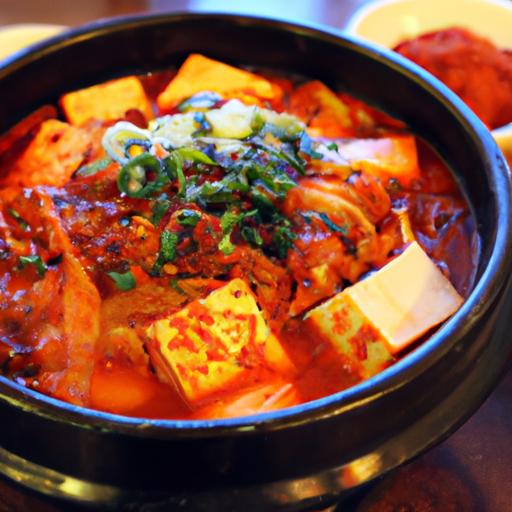
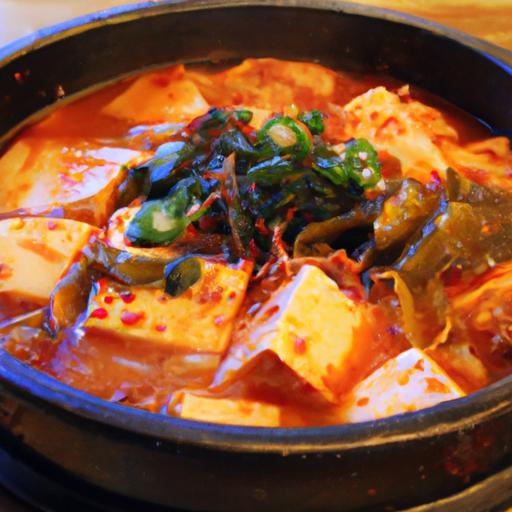

Step into the heart of korean comfort cuisine with a steaming bowl of Kimchi Jjigae, a vibrant tofu stew that’s as rich in history as it is in flavor. Often described as the soul-warming elixir of Korea’s culinary landscape, this dish masterfully combines the fiery tang of fermented kimchi with silky tofu, tender pork, and a symphony of spices that awaken every taste bud. More than just a stew, Kimchi Jjigae tells a story of tradition, resilience, and the everyday joy of sharing a meal around the table. Join us as we explore the origins, ingredients, and cultural significance behind this beloved Korean staple – and discover why savoring its spicy, savory depths has captivated food lovers across the globe.
Savor the Spice with Korean Kimchi Jjigae Tofu Stew, a soul-warming dish that perfectly captures the fiery spirit and rich heritage of Korean cuisine. Originating from humble Korean households, this stew is a festivity of bold, fermented flavors balanced masterfully with silky tofu-creating an irresistible harmony of texture and heat. Each spoonful invites you into a story steeped in tradition and comfort, where every ingredient sings in vibrant, fiery chorus.
Prep and Cook Time
- Planning: 15 minutes
- Cooking: 30 minutes
- Total Time: 45 minutes
Yield
Serves 4 hearty portions
Difficulty Level
Medium – approachable with some basic familiarity of Korean ingredients
Ingredients
- 2 cups well-fermented kimchi, chopped (preferably 2 weeks aged)
- 1 cup kimchi juice (reserved from the kimchi jar)
- 200g firm tofu, cut into 1-inch cubes
- 1 tablespoon Korean red chili paste (gochujang)
- 1 tablespoon Korean red chili flakes (gochugaru)
- 1 tablespoon soy sauce
- 1 teaspoon minced garlic
- 1 teaspoon grated ginger
- 1 small yellow onion, thinly sliced
- 2 cups anchovy stock or vegetable broth (see Tips for Success)
- 1 stalk green onion, chopped (for garnish)
- 1 teaspoon toasted sesame oil
- 1 teaspoon sugar (optional – balances acidity)
Instructions
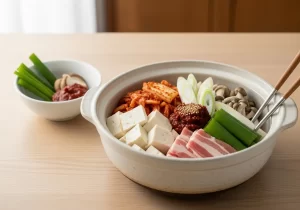
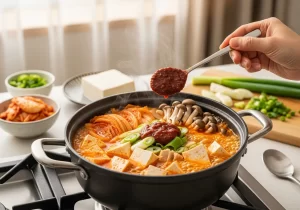
- prepare the broth: In a medium pot, bring the anchovy stock or vegetable broth to a gentle simmer over medium heat.
- Sauté aromatics: Add the minced garlic, grated ginger, and sliced onion to the pot. Stir for 3-4 minutes until fragrant and translucent.
- Incorporate kimchi: Add the chopped kimchi along with kimchi juice.Stir well and let it cook for 5-7 minutes to deepen the flavors and soften the kimchi.
- Build the heat: Stir in gochujang and gochugaru slowly, mixing until the soup gleams with a rich red hue. Adjust the chili flakes depending on your heat preference.
- Season: Add soy sauce and a pinch of sugar to balance the stew’s acidity. Simmer gently for another 10 minutes to meld flavors beautifully.
- Add the tofu: Carefully slide the tofu cubes into the stew. Simmer for 5 more minutes on low heat, allowing tofu to absorb the spicy broth while maintaining its creamy texture.
- Finish: Drizzle toasted sesame oil over the stew for a nutty aroma and garnish with chopped green onion just before serving.
Tips for Success
- Kimchi choice: Use kimchi with vibrant red color and a tangy aroma-2 weeks aged gives perfect fermented depth.
- Broth base: anchovy stock offers umami depth, but a savory vegetable broth works for pescatarian or vegetarian diets. Here’s a trusted recipe for anchovy broth.
- Tofu tips: Firm tofu holds texture better in stew. Press gently to remove excess water for a creamier finish.
- Adjusting heat: Control spiciness by balancing gochugaru and gochujang quantities. For milder versions, reduce gochugaru and add a touch more sugar.
- Make-ahead: Kimchi Jjigae flavors blossom overnight. Refrigerate and gently reheat-you may need to add a splash of broth if too thick.
- Ingredient swaps: Feel free to add mushrooms or zucchini for an extra veggie boost.
Perfect Pairings and Serving Suggestions to Elevate Your Korean Tofu Stew Experience
Serve this deep-red, bubbling kimchi jjigae in conventional earthenware bowls to retain heat and enhance presentation. Pair with a bowl of steaming white rice, which beautifully balances the stew’s heat and acidity. Lightly pan-fried Korean pancakes (pajeon) or simple steamed bok choy add textural contrast and freshness. Garnish with thinly sliced scallions and a sprinkle of toasted sesame seeds for visual appeal and subtle crunch.A side of pickled radish or crunchy kimchi complements the spicy notes perfectly.
| Nutrition | Per Serving |
|---|---|
| Calories | 220 kcal |
| protein | 14 g |
| Carbohydrates | 18 g |
| Fat | 8 g |
Q&A
Q&A: Savor the Spice – Exploring Korean Kimchi Jjigae Tofu Stew
Q1: What is Kimchi Jjigae, and why is it so beloved in Korean cuisine?
A1: Kimchi Jjigae is a hearty Korean stew centered around kimchi, the signature fermented cabbage that bursts with tangy, spicy flavor. Loved for its comforting warmth and deep complexity, this stew is a staple in Korean households, especially during colder months. It perfectly balances sour, spicy, and savory notes, making each spoonful a rich experience that celebrates Korea’s love for bold tastes.
Q2: How does tofu elevate the flavor and texture of Kimchi Jjigae?
A2: Tofu adds a silky, gentle counterpoint to the bold heat and acidity of kimchi. Its creamy texture absorbs the spicy broth, creating a luscious harmony throughout the stew. Besides enhancing texture, tofu also brings protein to the dish, making it nourishing and satisfying without overpowering the stew’s vibrant flavors.
Q3: What are the key ingredients that make Kimchi Jjigae uniquely flavorful?
A3: Beyond well-fermented kimchi and tofu, essential ingredients include Korean chili flakes (gochugaru), fermented soybean paste (doenjang), garlic, and scallions. These ingredients meld beautifully to create a broth that’s fiery, tangy, savory, and irresistibly umami. Optional additions like mushrooms or zucchini can add earthy or fresh notes, balancing the stew further.
Q4: Can Kimchi Jjigae be customized for different palates or dietary needs?
A4: Absolutely! While the stew traditionally includes seafood or beef for added depth, vegetable-forward versions are popular and just as comforting. Mushrooms, radishes, or even hearty greens like spinach can be grate additions. For those avoiding animal proteins, the umami from fermented soybean paste and kimchi shine through wonderfully on their own.
Q5: What makes fermentation so important in the making of Kimchi Jjigae?
A5: Fermentation is the secret behind kimchi’s signature tang and depth. As the cabbage ferments, it develops lactic acid and complex flavors that bring a vibrant sharpness to the stew. This fermentation process is also what gives Kimchi Jjigae its characteristic sourness that beautifully contrasts with the stew’s spicy heat.
Q6: How should Kimchi Jjigae be served to maximize its flavor and enjoyment?
A6: Traditionally, Kimchi Jjigae is served bubbling hot in a stone pot alongside a bowl of steamed rice. The rice helps temper the stew’s intensity, while the communal sharing of the pot adds to the cozy dining experience. Garnishing with fresh scallions or a sprinkle of toasted sesame seeds not only adds texture but also a fresh aroma that elevates each bite.
Q7: What are some cultural aspects tied to Kimchi jjigae?
A7: Kimchi Jjigae is more than just food; it’s a symbol of Korean resilience and resourcefulness. Historically, it was a way to transform leftover kimchi and simple pantry ingredients into a flavorful meal. It represents communal eating and family warmth – dishes cooked slowly, shared widely, and enjoyed with conversation and care.
Q8: How spicy is Kimchi Jjigae, and can it be adjusted?
A8: the spice level depends largely on the kimchi’s fermentation and added chili flakes. Traditional Kimchi Jjigae typically has a lively kick, but the heat can be dialed up or down by adjusting the amount of gochugaru or by choosing milder or more seasoned kimchi. For a gentler stew, removing extra seeds from chili flakes or reducing chili inclusion eases the burn without sacrificing flavor.
In every bubbling pot of Kimchi Jjigae tofu stew, you taste more than just spice – you experience a culinary story filled with history, culture, and the warm hug of home-cooked comfort. Ready to dive in?
Concluding Remarks
As the last steamy spoonful of kimchi jjigae gently warms your soul, you realise this humble Korean tofu stew is more than just a dish-it’s a vibrant tapestry of flavor, history, and culture simmering in every pot. From the fiery tang of fermented kimchi to the tender silkiness of tofu, each bite invites you to savor tradition and innovation alike. Whether you’re a seasoned spice lover or a curious newcomer, exploring kimchi jjigae opens a delicious doorway to korea’s culinary heart. So next time the craving for comfort and zest strikes, let this stew remind you that sometimes, the richest stories are told through the simplest, spiciest spoonfuls.