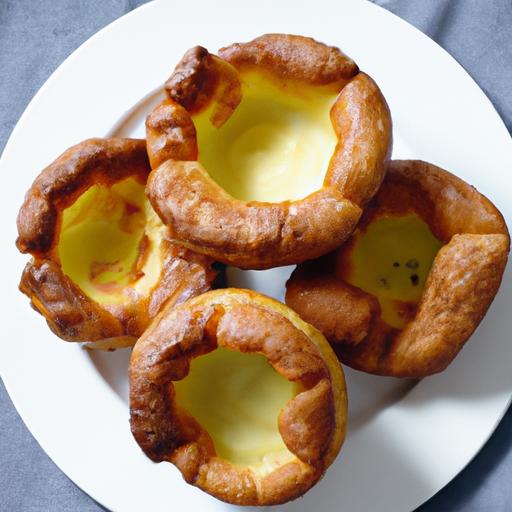
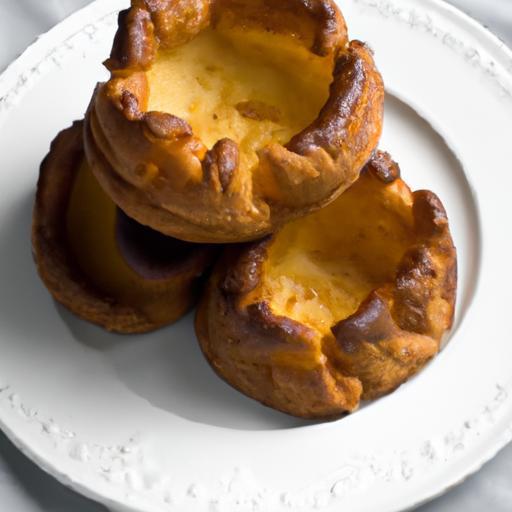

In the heart of British culinary tradition lies a humble yet irresistible delight: the Yorkshire pudding. Often overshadowed by its meaty accompaniments on the Sunday roast plate, this crispy golden marvel deserves the spotlight all to itself. But what makes Yorkshire puddings so uniquely British, and how did this simple batter rise to become a national favorite? Join us as we uncover the history, secrets, and irresistible charm behind yorkshire puddings-the crispy classic that continues to bring warmth and crunch to tables across the UK.
Origins and Traditions Behind yorkshire Puddings
Yorkshire Puddings stand as an iconic British classic, weaving together centuries of culinary heritage into a crispy, golden delight. Originating in Yorkshire during the 18th century, these puddings were born out of frugality – a way to extend rich, savory roast meals by soaking up hearty gravy.Traditionally served alongside roast beef, they quickly became a staple for Sunday dinners and festive feasts across the UK.
The beauty of Yorkshire Puddings lies in their simplicity and the artful balance between a light, airy interior and a perfectly crisp exterior. Every bite offers a satisfying crunch followed by a tender, almost custard-like center that enhances any roast’s flavors.Their timeless appeal isn’t just about taste but also the comforting nostalgia they evoke, making every occasion feel special.
prep and Cook Time
- Readiness Time: 15 minutes
- Resting time: 30 minutes (to improve texture)
- Cooking time: 20-25 minutes
Yield
8 generous servings (makes approximately 12 medium-sized Yorkshire Puddings)
difficulty Level
Medium – Requires attention to detail and timing, but wonderfully rewarding for home cooks.
Essential Ingredients and Techniques for Flavor Enhancement
- 1 cup (120g) all-purpose flour, sifted
- 1 cup (240ml) whole milk, at room temperature
- 3 large eggs, lightly beaten
- ½ teaspoon fine sea salt
- 3 tablespoons vegetable oil or sunflower oil
- Optional: a pinch of freshly ground black pepper or a teaspoon of mustard powder for subtle depth
Pro tip: Using whole milk and letting the batter rest allows the gluten to relax, which translates to a fluffier pudding with a smoother texture. The oil must be smoking hot before adding the batter – this is the key secret to achieving the signature rise and crispiness that Yorkshire Puddings are famous for.
Mastering the Art of the Perfect Crispy Texture: Instructions
- Prepare Your Batter: In a large mixing bowl, whisk together the sifted flour and salt. Gradually add the eggs and milk, whisking vigorously until you achieve a smooth, thin batter. Leave the batter to rest for at least 30 minutes at room temperature.
- Preheat Oven and Oil: Set your oven to 220°C (425°F) and place a muffin or yorkshire pudding tin inside to heat with 1 teaspoon of oil per well. Heating the oil until it’s almost smoking hot is crucial to create that signature crisp crust.
- Fill and Bake: Carefully remove the hot tin from the oven. Pour the batter evenly into each well-filling them about half full-to avoid overflows while rising. Promptly return the tin to the oven.
- Bake Until Puffy and Golden: Bake for 20-25 minutes without opening the oven door. The puddings should puff spectacularly, turning golden brown with crisp edges and a soft interior. Avoid opening the door early to prevent collapse.
- Serve Hot: Once cooked, serve the puddings straight from the tin to enjoy their perfect crispiness and light texture.
chef’s Notes: tips for Success
- Resting the Batter: Critical for allowing the starch to gelatinize and produce a tender crumb.
- Consistency Matters: Your batter should be thin enough to pour easily. If too thick, add a splash more milk.
- Temperature is Key: the oil and baking tray must be blazing hot to encourage immediate rising.
- Variations: For a subtly herbaceous twist, add 1 teaspoon of fresh chopped rosemary or thyme to the batter.
- Troubleshooting: If puddings fall, your oven might be too cool, the oil not hot enough, or the batter too thick.
- Make-Ahead: Batter can be prepared the night before and refrigerated. Bring to room temperature before baking.
Serving Suggestions and Pairings to Elevate Your Meal
Yorkshire Puddings shine when paired with classic British roasts-think tender roast beef, garlic-studded roast chicken, or rich vegetable nut roasts for vegetarian options. Generous ladles of homemade onion gravy or a robust red wine jus complement the texture wonderfully. For a modern twist, try stuffing the puddings with creamy mushroom ragout or roasted root vegetables for an elegant vegetarian presentation. Garnish with fresh parsley or chives to add a bright pop of color and freshness.
Accompany with conventional sides like creamy mashed potatoes, roasted carrots glazed with honey, and buttered garden peas for a meal that’s both comforting and remarkable.

| Nutritional Info (per serving) | Calories | protein (g) | Carbs (g) | Fat (g) |
|---|---|---|---|---|
| Yorkshire Pudding | 110 | 4 | 12 | 5 |
For an in-depth look at traditional British roast dinners and complementary sides, see our Ultimate guide to British Roast Dinners. To explore more about the interesting history of traditional British cuisine, visit the National Trust’s culinary heritage resources here.
Q&A
Q&A: Yorkshire Puddings – The Crispy British Classic uncovered
Q1: What exactly are Yorkshire puddings?
A1: Yorkshire puddings are golden, crispy-edged delicacies hailing from northern England. Made from a simple batter of eggs, flour, and milk, they puff up in the oven to create airy, hollow pockets perfect for scooping up gravy or soaking in rich sauces. Originally designed to make a meal stretch further, they’ve become an iconic part of British cuisine.
Q2: How did Yorkshire puddings get their name?
A2: The name “Yorkshire pudding” is believed to trace back to the county of Yorkshire,where the dish became wildly popular in the 18th century. The term “pudding” in British cooking often refers to savory baked dishes, and the combination honors its regional roots and characteristic rise.
Q3: What makes a Yorkshire pudding perfectly crispy?
A3: The key to the perfect Yorkshire pudding lies in hot fat and a well-preheated oven. Traditionally,beef dripping is used for its high smoking point and deep flavor,but vegetable oil works well too. Pouring the batter onto blazing hot fat causes an immediate sizzle, generating a marvelous rise and crispy edges.
Q4: Can Yorkshire puddings be made ahead of time?
A4: yorkshire puddings are at their best fresh from the oven-crispy and fluffy. Though, if you need to make them ahead, pop them into a warm oven for a few minutes before serving to revive their crunch. Avoid covering them while warm, as that steams their crispness away.
Q5: How are Yorkshire puddings traditionally served?
A5: Traditionally, Yorkshire puddings are a staple accompaniment to a British Sunday roast, especially with roast beef and a generous ladle of rich gravy. They also shine when stuffed with vegetables or accompanied by hearty stews, transforming humble ingredients into a comforting feast.
Q6: Are there any popular variations of Yorkshire puddings?
A6: while the classic recipe remains beloved,modern twists abound. Some add herbs or mustard to the batter for an extra kick, others turn the puddings into mini containers for savory fillings like mushrooms or roasted vegetables.Sweet versions, sprinkled with cinnamon sugar and drizzled with honey, offer a playful take.
Q7: What common mistakes should I avoid when making Yorkshire puddings?
A7: Avoid lukewarm fat-if the fat isn’t hot enough, your puddings won’t rise or crisp properly.Also, don’t overload the tin; a shallow puddle of batter per cup allows the right balance of steam and structure. Lastly, resist opening the oven door mid-bake, as sudden temperature changes can cause the puddings to collapse.
Q8: Can Yorkshire puddings be gluten-free or dairy-free?
A8: Yes! With a little adaptation, yorkshire puddings can accommodate dietary needs. Substitute standard flour with a gluten-free blend, and swap milk with plant-based alternatives like oat or almond milk. Just ensure your batter maintains a similar consistency for that classic puff.
Q9: What’s the secret to light and airy Yorkshire puddings?
A9: The secret lies in the batter’s texture and temperature. Letting the batter rest at room temperature for at least 30 minutes allows the flour to absorb liquid fully, aiding rise. Also, maintaining a hot oven and fat ensures that explosive lift, creating those signature hollow centers.
Q10: Why have Yorkshire puddings remained a beloved British classic?
A10: Yorkshire puddings encapsulate the magic of simple ingredients transformed by technique. They combine comfort, tradition, and versatility in one crispy parcel. Whether part of a grand Sunday roast or a swift snack with gravy, their timeless appeal lies in their delightful texture and the warm memories they inspire.
In Conclusion
From humble beginnings as a thrifty way to make the most of pantry staples to a beloved centerpiece on British dining tables, Yorkshire puddings have earned their crispy, golden reputation through centuries of tradition and taste. Whether towering with gravy at a Sunday roast or transformed into innovative bites that surprise the palate, these airy delights continue to captivate food lovers far beyond Yorkshire’s borders. So next time you hear the sizzle of batter hitting a hot pan, remember-you’re not just making a side dish; you’re connecting with a appetizing piece of British heritage, one perfect puff at a time.