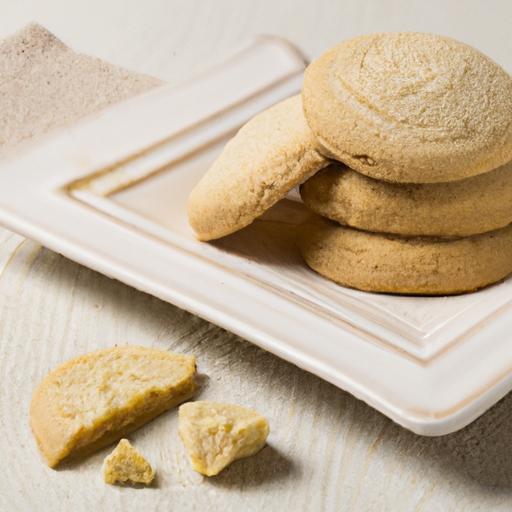
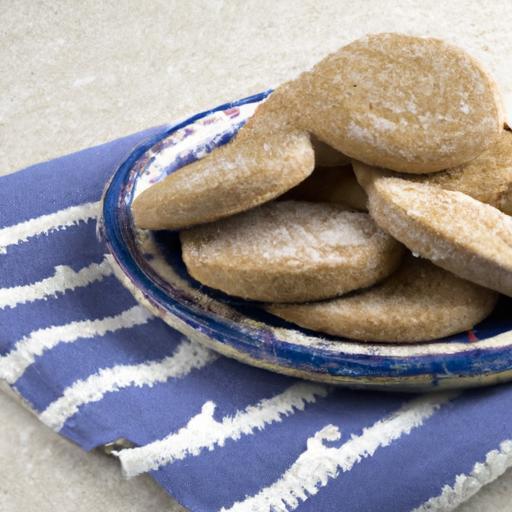

There’s a certain magic in the simple, buttery crumb of Scottish shortbread-a delicate treat that has transcended centuries to become a beloved symbol of warmth and tradition.Rooted in the rolling hills and misty glens of Scotland, this rich, golden biscuit carries with it stories of old-world craftsmanship and festive celebrations. In an age of ever-changing tastes and fleeting trends, shortbread remains a steadfast delight, its timeless charm inviting us to slow down, savor, and share a taste of heritage with every melt-in-the-mouth bite.Join us as we explore the history, cultural significance, and enduring appeal of Scottish shortbread-the sweet tradition that continues to capture hearts across the globe.
Origins and Heritage of Scottish Shortbread in Customary Cuisine
Scottish shortbread is a beloved cornerstone of traditional cuisine, renowned for its buttery richness and crumbly texture. Rooted deeply in Scotland’s culinary history,this classic treat dates back to the medieval era,where it evolved from a simple bread-and-butter concoction into the celebrated biscuit we cherish today. The enduring appeal of Scottish shortbread lies not only in its comforting simplicity but also in its symbolic role during festive celebrations, from Hogmanay to Christmas gatherings. Crafted originally with just three essential ingredients-butter, sugar, and flour-shortbread was considered a luxury due to the richness of butter, securely tying it to special occasions and heartfelt hospitality.
Crafting the Perfect Shortbread Dough: Techniques and Tips
Mastering the perfect shortbread dough is an art in itself, where precision and patience yield that signature melt-in-the-mouth texture. Key to success is chilling the dough thoroughly to avoid spreading during baking-ensuring a thick, tender crumb. Using cold, unsalted butter cut into the flour before gently folding sugar maintains the right balance of fat and structure.Avoid overworking the dough to keep it light and crumbly-think gentle hands instead of vigorous kneading. When pressing the dough into pan or shaping it by hand, aim for an even thickness, about ¾ inch, for consistent baking.
Exploring Regional Variations and Flavor Enhancements
While the essence of Scottish shortbread remains classic, subtle regional twists add distinctive character. In the northeast of Scotland, brewers occasionally swapped granulated sugar for golden caster sugar, introducing a softer sweetness. Some historic recipes incorporate ground rice or oatmeal for a slightly nutty texture, a nod to rustic Highland ingredients. Flavor enhancements today embrace vanilla bean pods, a zest of lemon or orange, or a dusting of cinnamon to enhance warmth without overshadowing the buttery core. For a festive flourish, a scatter of crushed nuts or a gentle drizzle of honey complements the timeless richness beautifully.
Pairing Scottish Shortbread with teas and Festive Treats
There’s nothing quite like savoring scottish shortbread alongside a perfectly brewed cup of tea. Its rich, buttery crumb pairs exquisitely with bold black teas like an Assam or a smoky Lapsang Souchong, cutting thru the richness with robust tannins. For lighter, delicate teas like Darjeeling or silver needle white tea, shortbread offers a subtle sweetness that doesn’t overpower. Around holiday tables, shortbread harmonizes with seasonal accompaniments such as caramel-dipped dried fruits, chocolate-dusted nuts, or a dollop of clotted cream, elevating the experience into a luxurious, festive indulgence.
prep and Cook Time
- Readiness: 15 minutes
- Chilling: 30 minutes
- Baking: 25 minutes
Yield
Approximately 24 traditional shortbread fingers
Difficulty Level
Easy – perfect for home bakers looking to impress with a timeless classic
Ingredients
- 1 cup (227g) unsalted butter, cold and cubed
- ½ cup (100g) granulated sugar, plus extra for sprinkling
- 2 cups (240g) all-purpose flour, sifted
- ½ cup (60g) rice flour, optional for added crumbly texture
- ¼ teaspoon fine sea salt
- Zest of 1 lemon, optional for delicate aroma
Instructions
- Preheat the oven to 325°F (160°C). Lightly grease or line a 9-inch square baking pan with parchment paper.
- In a large mixing bowl, combine the sifted all-purpose flour, rice flour (if using), sugar, and salt. Use a whisk to blend evenly.
- Add the cold, cubed butter to the dry ingredients. Using your fingertips or a pastry blender, rub the butter into the flour mixture until it resembles fine breadcrumbs.
- Add the lemon zest at this point if using, folding gently to incorporate.
- Gather the dough and press it firmly into the prepared pan, smoothing the surface evenly to around ¾-inch thickness.
- prick the dough gently</ with a fork to allow steam to escape during baking, helping to maintain the crispy edges.
- Chill the pan</ in the refrigerator for 30 minutes; this step ensures the dough firms up and bakes evenly.
- Bake the shortbread for 25-30 minutes, or until pale golden and just firm to the touch. Avoid deep coloring to preserve that tender crumb.
- Remove from the oven</ and while still warm, gently mark shortbread into fingers or wedges using a sharp knife. Let it cool completely in the pan before removing to prevent crumbling.
- Sprinkle lightly</ with extra granulated sugar for a subtle sparkle and extra texture.
Tips for Success
- Use unsalted, quality butter for a clean, creamy flavor that defines Scottish shortbread.
- Resist over-mixing</ to preserve the richness and crumbly texture that’s so prized.
- Chilling is essential</-both before and after shaping-to prevent spreading and maintain that classic firm snap.
- Variations: For a nutty twist, fold in finely chopped toasted almonds or hazelnuts just before pressing the dough.
- Make-ahead: Shortbread can be stored in an airtight container at room temperature for up to two weeks,making it perfect for festive gifting.
Serving Suggestions
present your Scottish shortbread on a rustic wooden board or a fine china platter. Garnish with fresh berries, sprigs of rosemary, or a dusting of powdered sugar for visual contrast. Offer alongside a steaming pot of robust black tea or a fragrant herbal blend to balance its buttery sweetness. For holiday occasions, pair with spiced preserves or a drizzle of honey to elevate the sensory experience.
| Nutrient | Per Serving (1 finger) |
|---|---|
| Calories | 120 kcal |
| Protein | 1 g |
| Carbohydrates | 12 g |
| Fat | 8 g |

Discover more traditional British baking techniques in our Classic Scottish Flapjacks article for complementary treat ideas. For an in-depth historical outlook, visit British Food History.
Q&A
Q&A: The Timeless Charm of Scottish Shortbread – A Sweet Tradition
Q1: What makes Scottish shortbread so uniquely charming?
A1: Scottish shortbread embodies simplicity and elegance through its buttery crumb and delicate, melt-in-your-mouth texture. this treat’s charm lies in its ability to be both rustic and refined, evoking centuries of tradition in each bite. Its time-honored recipe, relying on just three core ingredients-butter, sugar, and flour-showcases how minimalism can yield maximum delight.
Q2: How did shortbread become a symbol of Scottish heritage?
A2: Originating in Scotland as early as the 12th century, shortbread was onc reserved for special occasions and festive celebrations. Over time, it transcended social classes and became a beloved household staple. Its association with Scottish royalty, especially mary, Queen of Scots, further embedded shortbread into the nation’s cultural identity, making it not just a biscuit but a symbol of Scottish warmth and hospitality.
Q3: Why is butter so important in traditional Scottish shortbread?
A3: Butter is the heart and soul of Scottish shortbread. Using high-quality, creamy butter-often from Scottish dairies-imbues the cookie with its characteristic rich flavor and tender, crumbly texture. Butter’s role extends beyond taste; it creates the perfect balance between shortness and structure, giving shortbread its signature snap without being tough.
Q4: Can traditional shortbread recipes be adapted for modern tastes or diets?
A4: Absolutely! While classic shortbread thrives on tradition, many bakers experiment by incorporating flavors like vanilla, citrus zest, or hints of spice to add a contemporary twist. For dietary needs, recipes can be modified using alternative flours like oat or rice flour to create gluten-free versions, or coconut oil as a dairy-free substitute, still preserving much of shortbread’s luscious texture and taste.
Q5: What occasions are best suited for enjoying Scottish shortbread?
A5: Shortbread shines during holidays and celebrations-think Hogmanay (Scottish New Year), Christmas, or weddings-but its appeal is timeless, making it perfect for everyday teatime indulgences. its sturdy yet tender nature also makes it an excellent companion for travel or sharing as thoughtful gifts, wrapped simply with tartan ribbons or rustic twine.
Q6: Is there a difference between Scottish shortbread and other types of shortbread?
A6: Yes, Scottish shortbread is distinct in its purity and texture compared to versions found elsewhere. While many shortbreads share the “three-ingredient” foundation, authentic Scottish recipes often call for a higher butter content and specific flour types, resulting in a richer, more crumbly biscuit. Its hallmark “fingers” shape and meticulously pricked tops are traditional markers that set it apart.
Q7: How can one best store Scottish shortbread to maintain its freshness?
A7: to preserve shortbread’s delicate texture and buttery aroma, store it in an airtight container at room temperature. Avoiding humid environments helps keep the biscuit crisp and prevents it from becoming greasy or stale. When correctly stored, shortbread can remain a delightful treat for up to two weeks-or even longer-allowing the flavor to deepen gently over time.
Q8: what cultural values does Scottish shortbread represent?
A8: Beyond its flavor,Scottish shortbread symbolizes warmth,generosity,and connection. It reflects a respect for quality ingredients and simple pleasures woven through scottish life. Sharing shortbread is an act of kindness, a gesture of welcome that transcends generations, highlighting the enduring power of food to bring people together.
Closing Remarks
As the final crumb melts on your tongue, the enduring allure of Scottish shortbread reveals itself-not merely as a sweet treat, but as a delicious thread woven through centuries of tradition. Each buttery bite carries whispers of rugged highlands, cozy hearths, and timeless gatherings. Whether enjoyed with afternoon tea or gifted as a gesture of warmth, shortbread remains a beloved testament to Scotland’s rich culinary heritage.In savoring this simple yet elegant biscuit, we don’t just taste a recipe; we connect with a story that continues to delight palates and hearts around the world.