
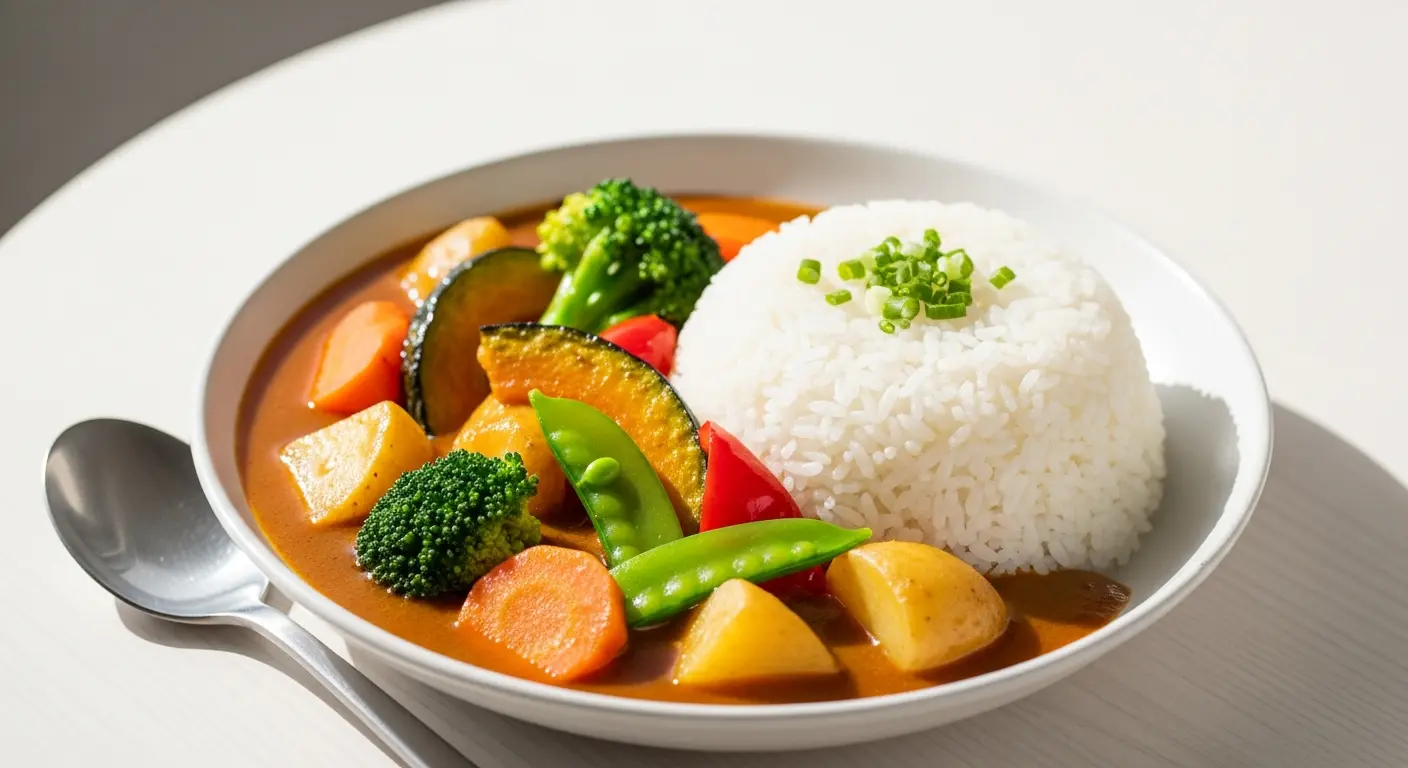

Discover a appetizing way to celebrate the vibrant bounty of Japanese cuisine with our “Savor the Flavors: Japanese Vegetable Curry with Rice” recipe. More then just a meal, this comforting dish weaves together the rich, aromatic spices of traditional curry with the fresh, wholesome goodness of seasonal vegetables, all served atop a bed of fluffy, perfectly steamed rice. Whether you’re a seasoned foodie or a curious cook eager to explore new flavors, this recipe invites you on a culinary journey that’s both satisfying and nourishing.
Get ready to stir up a pot of warmth,color,and unforgettable taste-Japanese vegetable curry is here to elevate your weeknight dinners with a touch of umami magic.
Savor the Flavors of a truly authentic Japanese vegetable curry by starting with the freshest, hand-selected vegetables that bring vibrant color and natural sweetness to every spoonful. This recipe guides you through carefully choosing ingredients, crafting a rich homemade curry roux, and balancing spice with subtle sweetness to capture the comforting essence of Japan’s beloved comfort food.
Prep and Cook time
- preparation: 25 minutes
- Cooking: 45 minutes
- Total Time: 1 hour 10 minutes
Yield
Serves 4 generous portions, perfect for a family meal or cozy dinner with friends.
Difficulty Level
Medium – ideal for home cooks ready to explore a homemade roux and spice balance while keeping techniques straightforward.
Ingredients
- For fresh Vegetable Selection:
- 2 medium-sized carrots, peeled and cut into large chunks
- 1 large Japanese sweet potato, peeled and cubed
- 1 medium onion, thinly sliced
- 1 cup fresh green beans, trimmed and halved
- 1 medium eggplant, sliced into bite-sized pieces
- 1 cup button mushrooms, halved (optional)
- For the Curry Roux:
- 3 tbsp unsalted butter
- 1/4 cup all-purpose flour, sifted
- 2 tbsp curry powder (Japanese or mild indian style for authenticity)
- 1 tsp garam masala
- 1/2 tsp ground turmeric
- 1/2 tsp black pepper
- For Curry Sauce and flavour:
- 3 cups vegetable broth (low sodium)
- 1 tbsp soy sauce
- 1 tbsp honey or mirin
- 1 tbsp grated fresh ginger
- 2 cloves garlic, minced
- Salt to taste
- For Serving:
- 2 cups freshly cooked Japanese short grain rice (sushi rice)
- Pickled fukujinzuke or rakkyo (optional garnish)
- Chopped scallions or fresh parsley for garnish
Instructions
- Choose and Prepare Fresh Vegetables: Wash all vegetables under cold running water. Peel carrots and Japanese sweet potato, cutting into large uniform pieces to ensure even cooking.Trim green beans and slice eggplant immediately before cooking to prevent discoloration.
- Sauté Aromatics: In a large heavy-bottomed pot, melt 1 tbsp butter over medium heat. Add minced garlic and grated ginger; sauté for about 2 minutes until fragrant but not browned. Add sliced onions and cook until softened and translucent, about 8 minutes, stirring occasionally.
- Cook Vegetables: Add carrots, sweet potato, and eggplant to the pot. Cook, stirring gently, for 5 minutes to lightly caramelize the edges and develop sweetness.
- Prepare Curry Roux: in a separate small saucepan, melt the remaining 2 tbsp butter over low heat. Gradually whisk in the sifted flour and cook, stirring constantly, until the mixture turns golden brown and emits a nutty aroma, approximately 5-7 minutes. Remove from heat, then stir in curry powder, garam masala, turmeric, and black pepper. Mix well until aromatic and smooth.
- Combine Curry Roux and Broth: Slowly whisk vegetable broth into the roux mixture to avoid lumps. Pour this curry sauce back into the pot with sautéed vegetables. Bring the pot to a gentle simmer.
- Simmer and Balance Flavors: Let the curry gently simmer for 25-30 minutes until vegetables are tender and the sauce has thickened. Stir occasionally, tasting to adjust seasoning. Add soy sauce for umami and honey or mirin for the perfect touch of sweetness that balances the spice.
- Cook Green Beans and mushrooms: Add green beans and mushrooms during the last 10 minutes of cooking to keep their textures crisp and fresh.
- Prepare Rice: Meanwhile, rinse the Japanese short grain rice until water runs clear. cook according to package instructions or use a rice cooker for soft,sticky perfection.
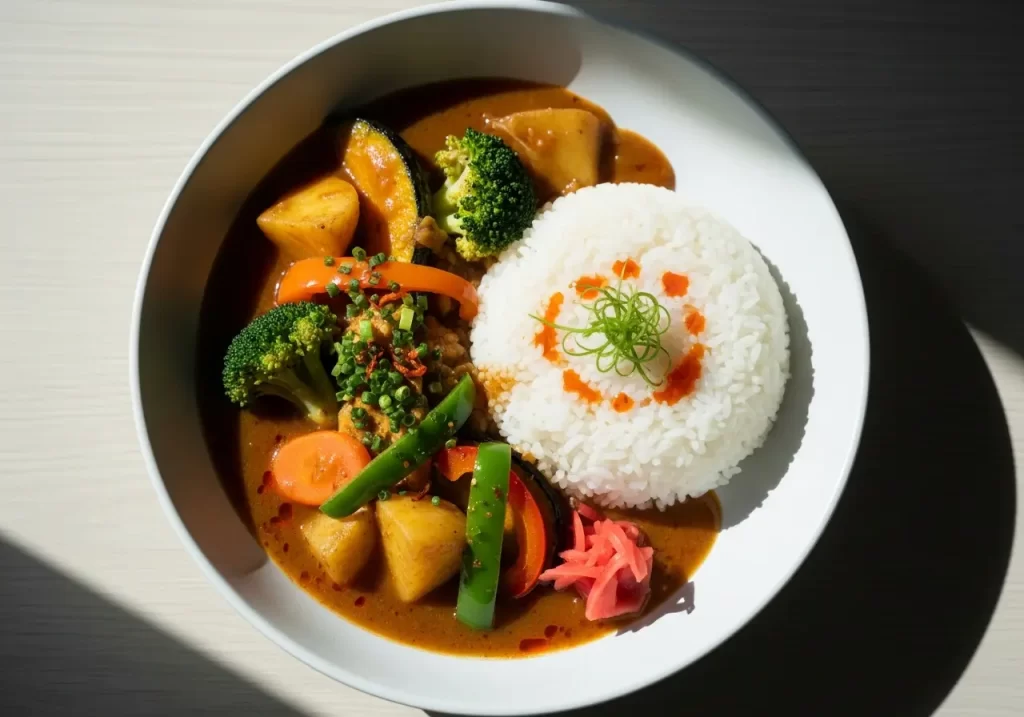
- Serve: Scoop steaming curry over fluffy rice. Garnish with scallions or parsley and add pickles on the side to elevate authenticity and texture contrast.
Chef’s Notes
- vegetable Variations: feel free to add seasonal vegetables like pumpkin or zucchini to infuse your personal touch. Just adjust cooking times accordingly.
- Roux Tips: Patience is key when browning the roux-it sets the flavor foundation. Stir constantly and don’t rush the color change.
- Balance Sweetness and Spice: Japanese curry uniquely blends mild heat with sweetness. Slowly add honey or mirin, tasting frequently so you achieve the ideal harmony.
- Make Ahead: The curry tastes even better the next day as flavors meld. Store in an airtight container in the fridge for up to 3 days, gently reheating before serving.
- Vegan Adaptation: Substitute butter with vegan margarine and ensure the broth and soy sauce are vegan-friendly to keep the dish plant-based.
Serving Suggestions and Rice Pairings
Present this delightful Japanese vegetable curry by plating a generous mound of glossy, sticky Japanese short grain rice alongside the curry, creating a comforting canvas for the rich sauce. Garnish with freshly chopped scallions to add color and vibrancy. For an authentic touch, offer fukujinzuke pickles or sweet pickled shallots (rakkyo) on the side, which provide a refreshing crunch and tangy contrast that elevate each bite.
For a cozy meal, serve in beatiful ceramic bowls that contrast with the warm golden curry, enhancing the visual appeal and inviting you to savor every spoonful.
| Nutrient | Per Serving |
|---|---|
| Calories | 350 kcal |
| Protein | 7 g |
| Carbohydrates | 60 g |
| Fat | 8 g |
For further inspiration on cooking rice to perfection, see our Japanese Rice Cooking Tips. To dive deeper into the history of Japanese curry, explore the extensive guide on Japanese Curry Origins.

Q&A
Q&A: savor the Flavors – Japanese Vegetable Curry with Rice recipe
Q1: What makes Japanese vegetable curry different from other curries around the world?
A1: Japanese vegetable curry stands out with its uniquely mild, slightly sweet, and savory flavor profile. Unlike the fiery heat of indian or Thai curries, japanese curry offers a comfortingly rich and velvety sauce made from a roux base, often incorporating fruity undertones like apple or honey. it’s the perfect balance of hearty and gentle, designed to soothe rather than scorch.
Q2: Which vegetables work best in a Japanese vegetable curry?
A2: Traditional favorites include tender potatoes, sweet carrots, and tender onions, but feel free to get creative! Bell peppers, eggplant, mushrooms, and even broccoli add vibrant colors and textures. The key is to use vegetables that hold their shape well during simmering but soak up the curry’s flavors beautifully.
Q3: Can I make this curry vegan or gluten-free?
A3: Absolutely! To keep it vegan, simply swap out any butter with plant-based oils and use vegetable broth instead of chicken stock. Many Japanese curry roux blocks contain wheat, so opt for gluten-free curry powders or homemade roux blends to make it gluten-free.homemade roux with rice flour and spices is a fantastic workaround that keeps the curry thick and luscious.
Q4: How do I achieve that signature thick,smooth texture of Japanese curry sauce?
A4: The secret lies in the roux-a mixture of flour and fat cooked until golden brown,then blended with broth and curry powder. This acts as a natural thickener and flavor enhancer. Slowly simmering the curry allows the sauce to deepen in color and consistency, yielding that silky texture you crave.
Q5: Is it better to serve Japanese vegetable curry with plain rice or something else?
A5: Traditionally, Japanese curry is spooned generously over steaming hot white rice, especially short-grain Japanese rice, which is sticky enough to scoop up every bit of sauce. However, you can also experiment with brown rice for a nuttier taste or even quinoa for a protein boost. Add a side of pickled vegetables or a fresh salad to brighten the plate.
Q6: How long does it take to prepare and cook Japanese vegetable curry at home?
A6: From start to finish, expect about 45 minutes to an hour. Prepping vegetables takes roughly 10-15 minutes, followed by sautéing and simmering for about 30-40 minutes to develop those deep, harmonious flavors. It’s a relatively quick weeknight meal that tastes like it’s been bubbling away for hours.
Q7: can leftovers of Japanese vegetable curry be refrigerated or frozen?
A7: Definitely! This curry actually tastes better the next day as the flavors meld together.Store it in an airtight container in the fridge for up to 3 days, or freeze portions for up to a month.When reheating, add a splash of water or broth to loosen the sauce if it thickens too much.
Q8: What are some creative toppings or garnishes to elevate Japanese vegetable curry?
A8: For extra flair and flavor, try garnishing with chopped scallions, toasted sesame seeds, or a drizzle of coconut cream. A handful of crunchy fried onions or a soft-boiled egg on top can also bring delightful contrasts in texture. And of course,don’t miss the classic Japanese fukujinzuke pickles on the side for a tangy kick!
This Q&A offers a flavorful glimpse into the art of Japanese vegetable curry,inspiring both beginners and seasoned cooks to savor the rich culinary tradition with every spoonful.
Final Thoughts
As the final spoonful of this vibrant Japanese vegetable curry melts on your tongue, you’ll appreciate not just the harmony of flavors, but the story each ingredient tells-a tale of tradition, comfort, and mindful cooking. Whether you’re a seasoned home chef or a curious beginner,this recipe invites you to savor the simplicity and depth of Japanese cuisine in every hearty bite.
So next time you crave something warm, nourishing, and delightfully flavorful, remember that a bowl of this curry with rice isn’t just a meal-it’s an experience waiting to be enjoyed. Happy cooking, and even happier savoring!




